When a Crash Happens, Every Second Counts: Rethinking Emergency Response in Africa
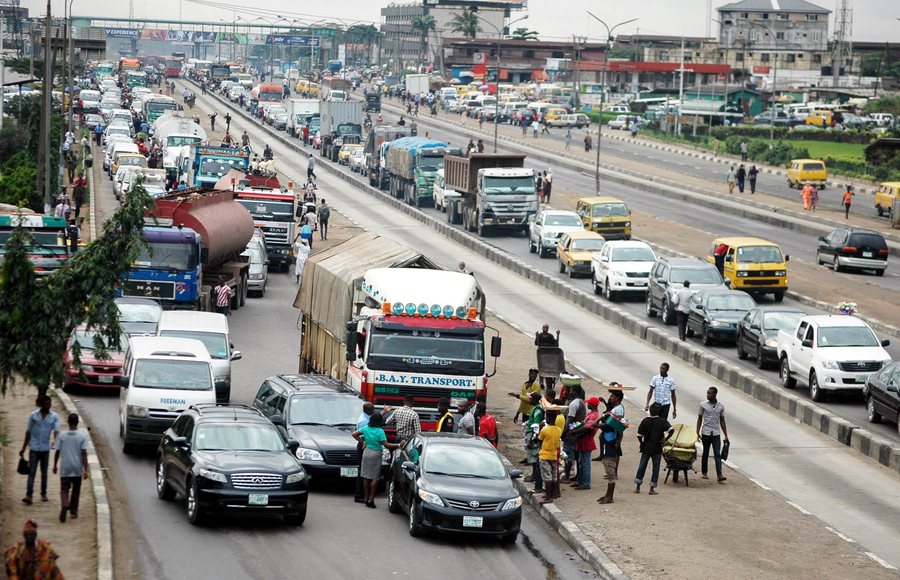
A road crash can happen in seconds.
A vehicle loses control. A collision occurs. A life changes. Within minutes, what began as a transport incident becomes a public-health emergency requiring trained responders, timely communication, safe extraction, first aid, blood, trauma care and a functioning referral system.
Across Africa, road crashes remain one of the continent’s major public-health challenges, yet the emergency response that follows a crash often receives far less attention than the accident itself.
Africa accounts for only about 3% of the world’s registered vehicles but approximately 20% of global road deaths, with road crashes estimated to claim about 250,000 lives every year. That is roughly one death every two minutes.
Behind these numbers are families, workers, children and communities whose lives can be permanently altered by a crash.
The question, therefore, is not only how Africa can prevent road crashes. It is also:
What happens in the minutes after a crash?
Emergency response is part of road safety
Road safety is often discussed through familiar interventions: safer roads, vehicle standards, speed control, seat belts, helmets and responsible driving.
These remain important.
But when prevention fails, emergency care becomes the second line of protection.
A person who survives the impact of a crash may still die from blood loss, airway obstruction, shock or other injuries if appropriate care does not reach them quickly.
This makes emergency response a health-system issue.
Africa needs emergency systems that connect the entire chain of survival: the scene of the crash, the first responder, the ambulance, the receiving facility and definitive trauma care.
It also means that ordinary citizens matter.
A bystander who knows how to safely call for help, protect an injured person from further harm and provide appropriate basic assistance can become the first link in that chain.
From the road to the emergency room
Imagine a crash on a major highway.
Someone calls for help.
Who answers?
How quickly can the location be identified?
Is there an ambulance nearby?
Can responders reach the scene safely?
Are they trained to manage trauma?
Which facility can receive the patient?
Does that facility have blood, surgical capacity, oxygen and trained personnel?
And can the patient be transferred if the first facility cannot provide the required care?
These questions illustrate why emergency response cannot be treated as a single ambulance service. It is a system.
For Africa, strengthening that system should include reliable emergency communication channels, coordinated ambulance services, trained first responders, stronger pre-hospital care, designated trauma facilities, referral protocols and real-time communication between responders and hospitals.
The conversation begins with evidence
In September, Abuja hosted a first-of-its-kind African media forum on road safety, bringing together stakeholders to strengthen how road-safety issues are communicated across the continent.
The forum offered an important reminder: what gets communicated shapes what gets understood, and what gets understood can influence what gets prioritised.
The media has a role beyond reporting the number of people killed in a crash.
Stories can ask what happened before the crash, but also what happened after it.
Was help available?
How long did it take to arrive?
Did the injured receive first aid?
Were they transported safely?
Was the receiving facility prepared?
Where did the emergency response system succeed, and where did it fail?
These questions can move road-safety reporting from incident coverage towards public-health accountability.
What should emergency response mean for Africa?
It should mean that surviving a crash does not depend entirely on where the crash occurs.
It should mean that a person injured on a highway, in a city or in a rural community can access an organised emergency response.
It should mean that communities know how to summon help.
It should mean that first responders have the equipment and skills required to act.
It should mean that hospitals are prepared to receive trauma patients.
And it should mean that governments can use crash and emergency-care data to identify where the system needs strengthening.
The scale of Africa’s road-safety challenge demands this broader perspective.
Road safety does not end when the crash happens.
That is when another race begins.
A race against blood loss.
A race against shock.
A race against time.
For every person involved in a road crash, the first few minutes can become the difference between injury and recovery, or injury and death.
Africa therefore needs to think about road safety not only as preventing crashes, but as building a system that gives people the best possible chance of surviving when crashes occur.
A crash can happen in seconds. Survival can depend on what happens next.
Africa has about 3% of the world’s registered vehicles but accounts for approximately 20% of global road deaths, with around 250,000 people losing their lives on African roads each year.
Road safety must therefore go beyond preventing crashes. It must include what happens after the crash: first response, emergency communication, ambulances, trauma care, referral systems and prepared health facilities.
The question for Africa is simple:
When a crash happens, can our emergency systems get there in time?
Road safety is prevention. Emergency response is survival. We need both.