|
|
|
| |
| NEWSLETTER |
| Evidence · Communities · Action |
| |
| |
|
 |
Focus of this edition
Building a
Healthier Nigeria
Together
Five stories on prevention, primary healthcare and accountability
|
|
|
Dear Reader,
As Nigeria’s health sector gathers in Abuja this week for the 2026 Joint Annual Review (JAR), all eyes are on the commitments, evidence and actions expected to shape the next phase of health sector reforms. What will it take to turn these discussions into better healthcare for Nigerians?
In this fourth edition of the C-WINS newsletter, we explore key developments in health promotion, primary healthcare financing, community-led accountability and integrated child survival interventions. Discover the progress, partnerships and priorities driving efforts to build a stronger, more responsive health system. Happy reading!
Warm regards,
The C-WINS Team
|

Dr Mahmud Mustafa Zubairu
Head of Mission, C-WINS
|
From the Head of Mission’s Desk
Building a Healthier Nigeria
Welcome to the fourth edition of the C-WINS newsletter.
This edition comes at a time when Nigeria’s health sector is taking important steps towards strengthening healthcare delivery, improving health outcomes and advancing Universal Health Coverage. Across the country, conversations around health promotion, sustainable financing, community participation and primary healthcare reform continue to reinforce one important message: meaningful health system transformation must translate into better services and healthier lives for Nigerians.
|
|
| Latest from C-WINS & the Health Sector |
|
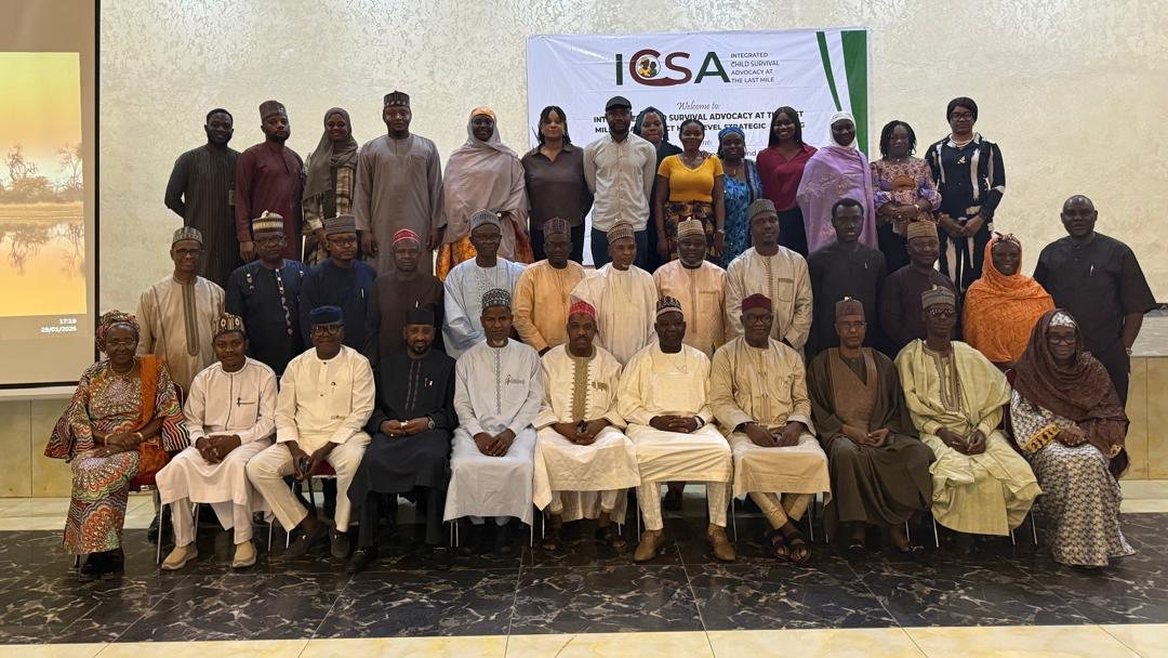
Commissioners of Health and for Local Government Affairs, SPHCDA Executive Secretaries and ICSA partners at a high-level engagement meeting in Abuja, 29 January 2026.
01 | ICSA at the Last Mile
How ICSA Is Supporting Primary Healthcare and Child Survival at the Last Mile
One year into implementation, the Integrated Child Survival Immunisation Advocacy at the Last Mile (ICSA) Project is demonstrating how community voices, government commitment, sustainable financing and stronger health systems can work together to improve the lives of mothers and children.
A mother walks into a primary healthcare centre with her child for routine immunisation. She hopes to receive more than a vaccine. She needs reliable health information, access to essential medicines, malaria prevention services and, where necessary, quality care for herself and her child. But across many underserved communities in Nigeria, this experience is far from guaranteed.
| ICSA in numbers · First year |
118 LGAs with LHAATs established (81% of the 145 target LGAs) |
2,581 Health facility assessments across 115 LGAs |
₦3.72bn Katsina’s draft 2027 child-survival budget (115% of the ICSA benchmark) |
Source: ICSA Project, as reported at 30 October 2026.
|
02 | Health Promotion Taking Charge of Our Health: Nigeria Reinforces the Importance of Prevention and Community Action National Health Promotion Day 2026: “Health Promotion: Owning My Health” · “Take Charge, Live Well.” Nigeria joined the global public health community in reinforcing the importance of preventive healthcare as it commemorated the 2026 National Health Promotion Day on 29 October in Abuja. With the theme, “Health Promotion: Owning My Health” and the slogan, “Take Charge, Live Well,” this year’s observance called on individuals, families and communities to take a more active role in protecting their health and wellbeing. | | 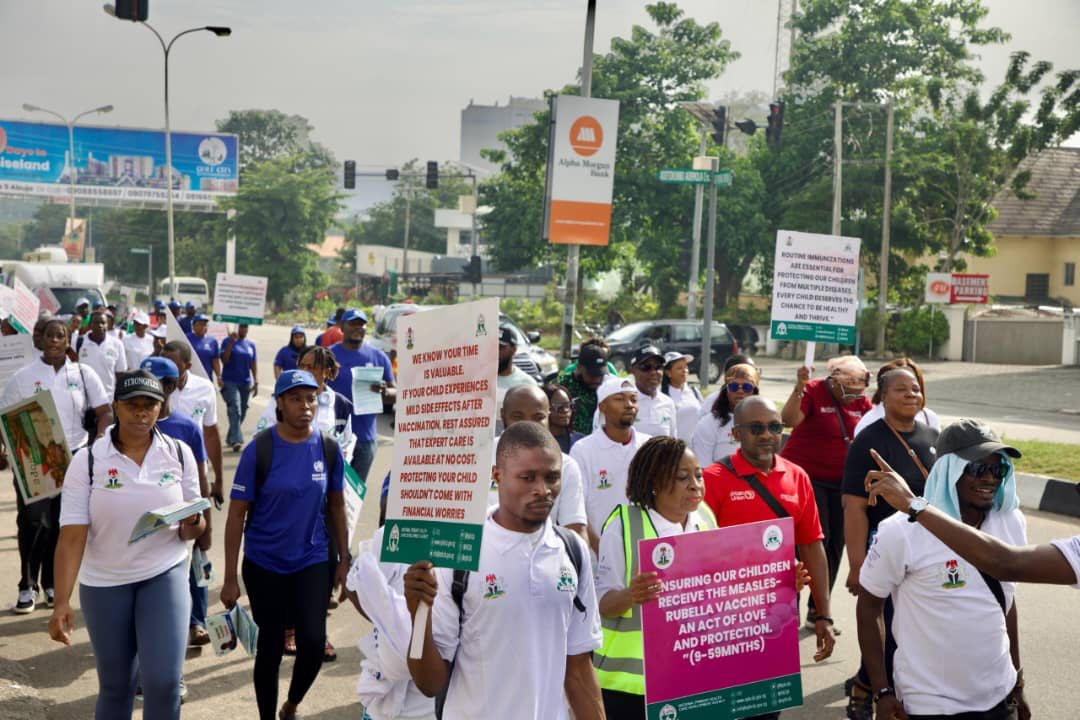 National Health Promotion Day 2026. |
|
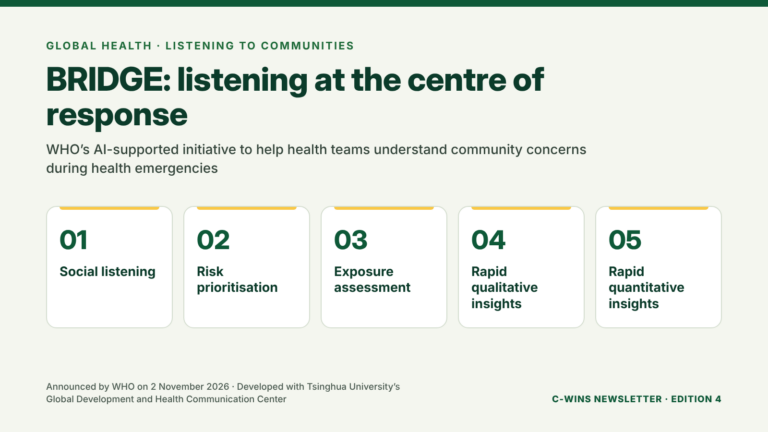
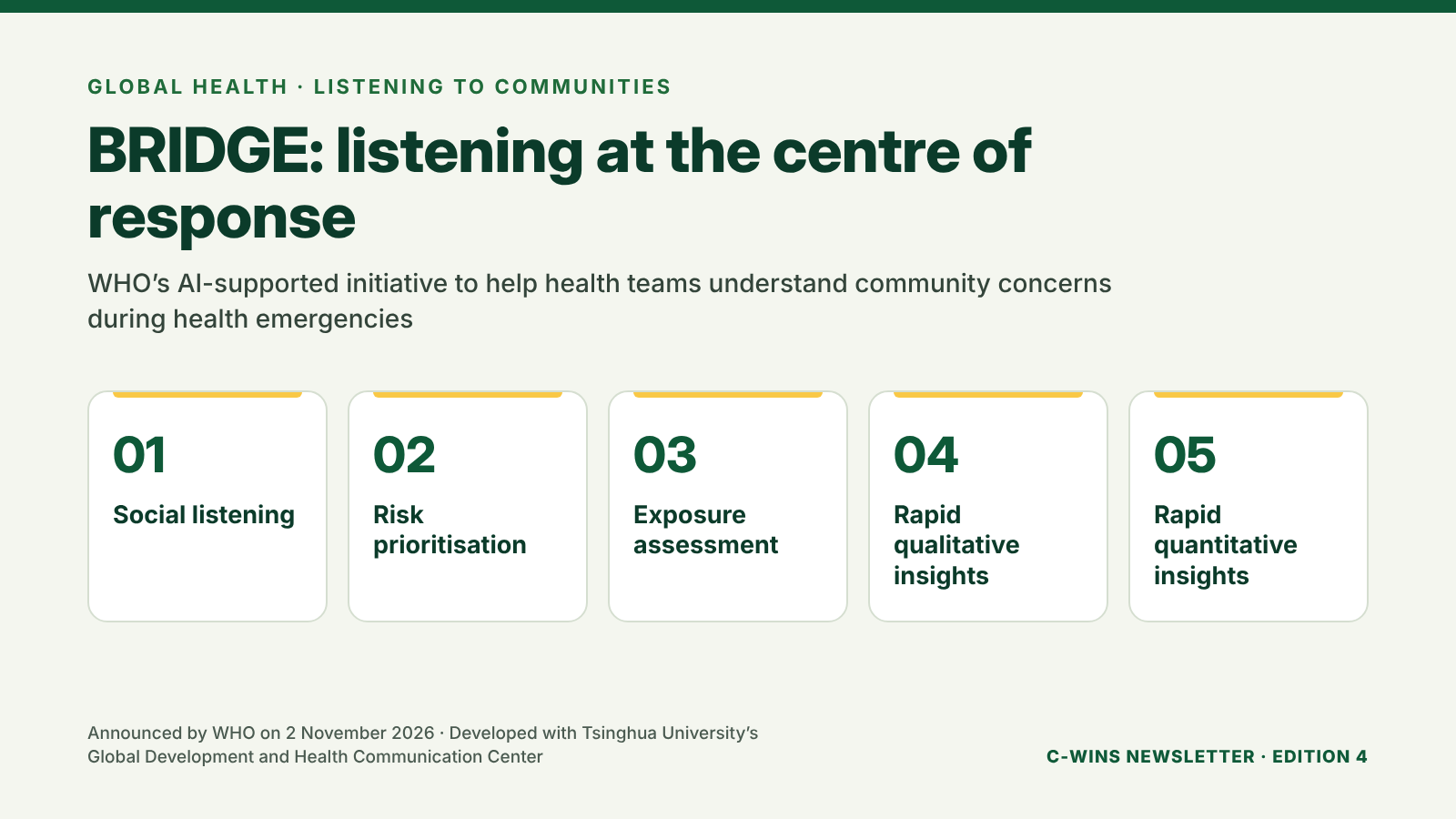 | | 03 | Global Health When Health Systems Listen, Communities Help Shape the Response WHO’s AI-supported BRIDGE initiative puts community voices at the centre of health emergency responses Effective health emergency communication is not simply about issuing instructions. It also requires understanding what people are hearing, fearing, asking and experiencing—and using those insights to shape the response. |
|
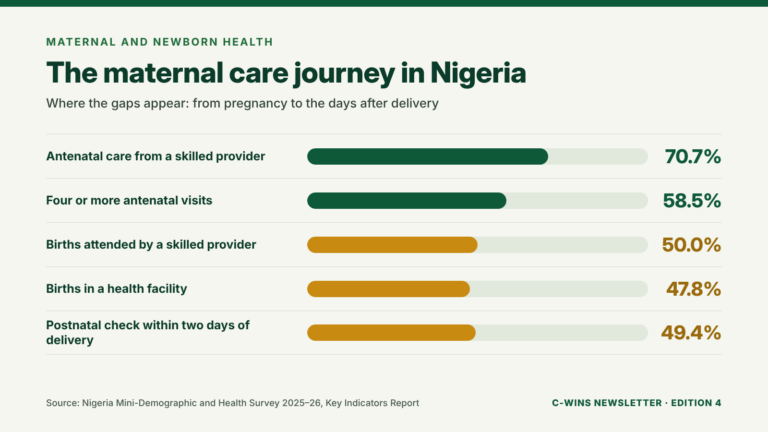
04 | Maternal & Newborn Health From Antenatal Care to Safe Delivery: Where Are Nigerian Mothers Falling Through the Gaps? Contact with a health worker during pregnancy should lead to safe, timely care during childbirth and after delivery. Nigeria’s Mini-Demographic and Health Survey 2025–26 Key Indicators Report highlights gaps along this journey. It found that 70.7% of women received antenatal care from a skilled provider, while 58.5% attended four or more antenatal visits. Only 50% of births were attended by a skilled provider, and 47.8% took place in a health facility. | | 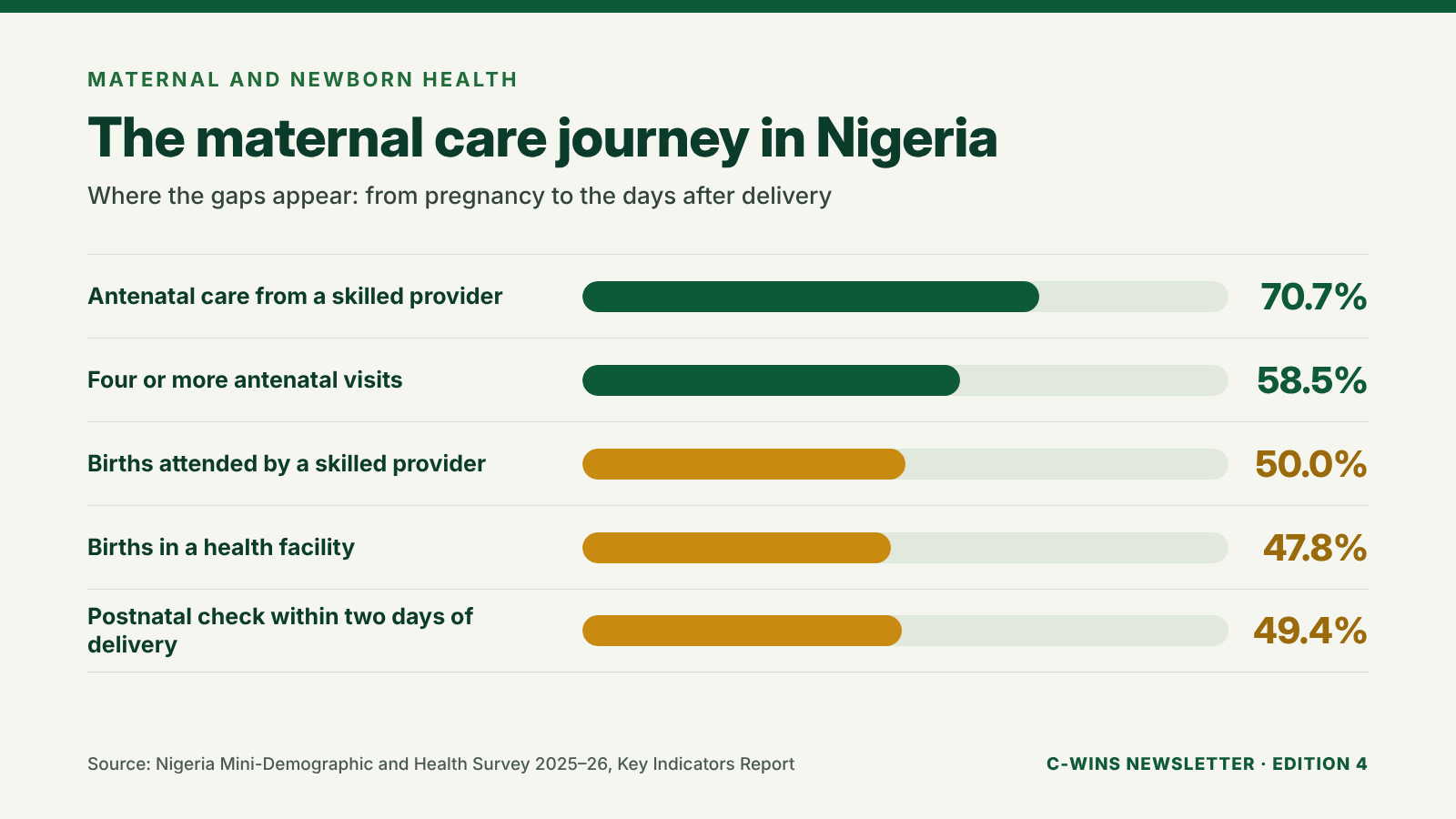 |
|
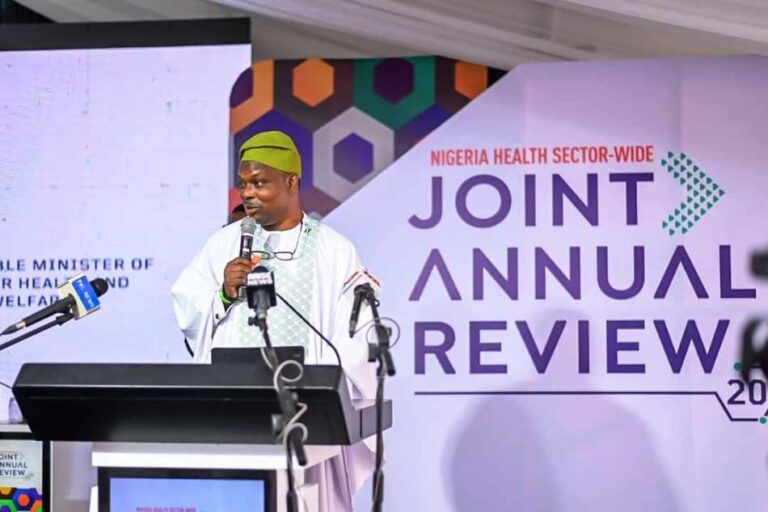
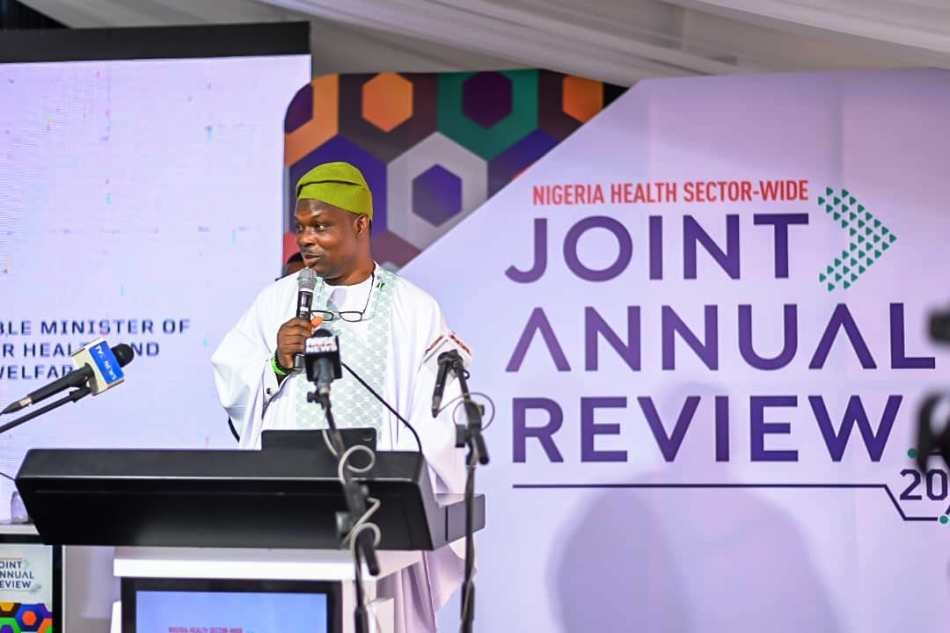 Joint Annual Review 2024. | | 05 | Health Sector Reform Nigeria’s Health Sector Converges for JAR 2026: Turning Reform Commitments into Measurable Results As government, development partners, civil society and other health sector actors meet in Abuja, attention turns to evidence, accountability and the delivery of better healthcare for Nigerians. Nigeria’s health sector is set for an important national conversation this week as stakeholders gather in Abuja for the 2026 Health Sector Joint Annual Review (JAR), scheduled for 9–12 November at the Transcorp Hilton. Convened under the theme, “Together to Higher Grounds: Make Reform Data Count,” the meeting provides a platform for reviewing progress in the country’s health sector reforms, examining implementation challenges and agreeing on priorities for the year ahead. |
|
|
Every
2
weeks
|
Coming Up
ICSA Biweekly Learning Series
Equipping frontline health workers with practical knowledge on essential health topics to strengthen service delivery at the last mile.
|
|
|
Centre for Well-Being & Integrated Nutrition Solutions (C-WINS)
www.c-wins.org · info@c-wins.org
LinkedIn · Facebook · Instagram · YouTube · TikTok
Privacy Policy | Contact
© 2026 Centre for Well-Being & Integrated Nutrition Solutions (C-WINS). All rights reserved.
|
|