FIRST Edition | September 2026. Evidence . Communities . Action. |
|
|
|---|
|
| In this edition of the C-WINS Newsletter, we look at what it takes to turn health commitments into real results for people and communities. We highlight developments in immunisation, primary healthcare financing, child survival, health data and community accountability. We also share lessons from the last mile, where communities are using evidence to identify gaps, engage decision-makers and track whether investments are actually improving services. The focus is simple: moving from commitments and data to action that improves health outcomes. |
|
|
|---|
|
| | From the Head of Mission's Desk |
|
|
|---|
|
Turning Health Commitments into Results |
|
|
|---|
|
| Dr Mahmud Mustafa Zubairu | |
|
| Health systems are ultimately measured by what people experience at the point of care. A budget, a policy, a vaccination campaign or a reform becomes meaningful when it translates into a child protected from disease, a health worker able to provide quality care, and a family able to access essential services when they need them. | |
|
|
|---|
|
| Diphtheria Resurgence Highlights The Need For Greater Awareness Of The Benefits Of Vaccination |
|
|
|---|
|
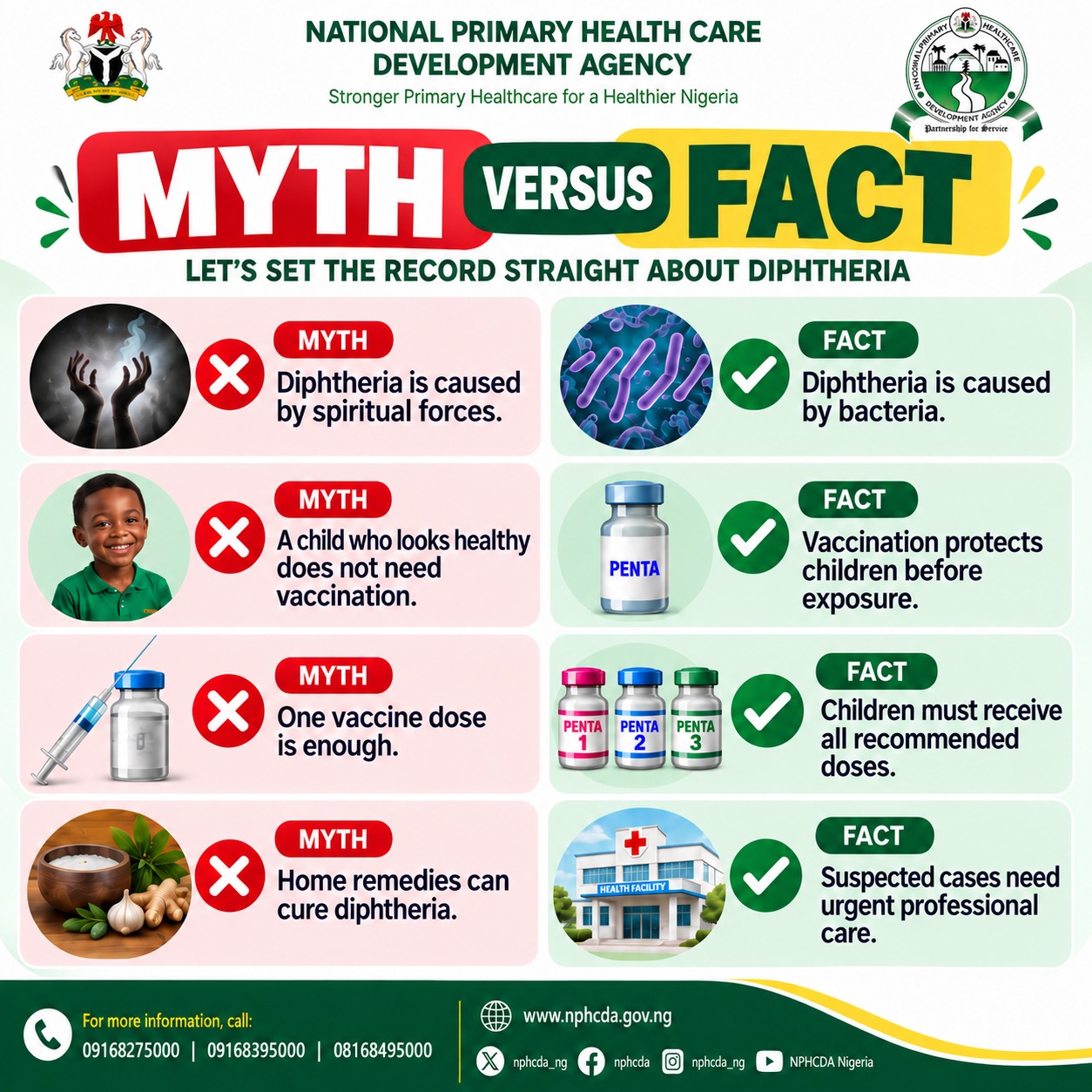
Nigeria’s current diphtheria outbreak was formally notified to the NCDC on 1 December 2022, following suspected outbreaks in Kano and Lagos. WHO data show suspected cases going back to May 2022. Renewed transmission in Kano and Katsina in 2026 is again drawing attention to persistent routine immunisation gaps. | WHAT Diphtheria transmission remains a major public health concern. Eight states account for 98% of confirmed cases, while the FCT has also recently confirmed cases. |
|
| WHY IT MATTERS Immunisation gaps remain substantial. Among children aged 12–23 months, Penta 3 coverage was 54.6% in Kano and 43.9% in Katsina, while 36.8% and 45.7%, respectively, had received no vaccinations. NCDC also reports that about 68% of confirmed diphtheria cases with available vaccination information involved unvaccinated people.
HOW THIS HELPS The response combines vaccination, surveillance, treatment and community mobilisation. NPHCDA deployed 500,000 vaccine doses to Kano and Katsina. |
|
|
|---|
|
The response combines vaccination, surveillance, treatment and community mobilisation. NPHCDA deployed 500,000 vaccine doses to Kano and Katsina.
READ THE STORY → |
|
|---|
|
More Money for PHC. What Happens at the Facility? |
|
|---|
|
WHAT Government reports ₦32.9 billion under the revised BHCPF framework, supporting more than 8,300 PHCs nationwide.
WHY IT MATTERS More financing matters only when it becomes medicines, equipment, health workers and reliable services. | HOW Separately, C-WINS ICSA at the Last Mile Project uses evidence, advocacy and community accountability across 145 LGAs in Kaduna, Kano, Katsina, Kebbi and Sokoto to strengthen integrated PHC |
|
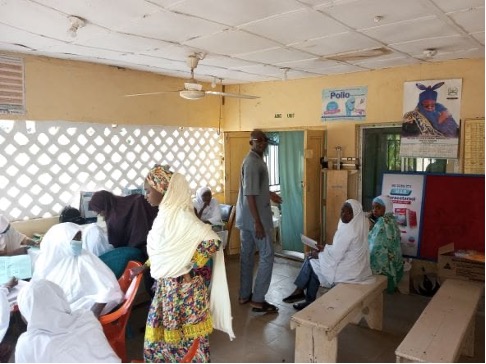
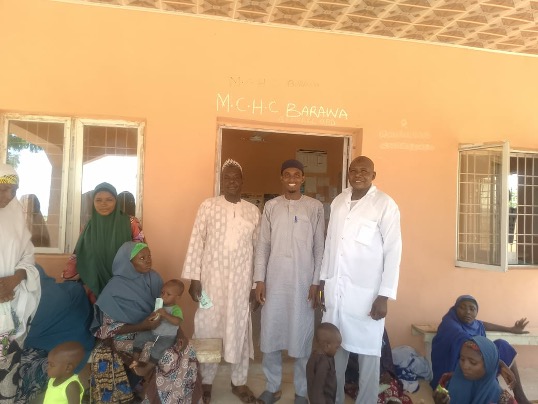
| RESULT SO FAR 6 of the first 50 LGAs tracked met the project’s financing benchmark. In Kurfi LGA, Katsina, a recent follow-up documented: | THE TAKEAWAY PHC financing should be judged not only by how much is released, but by what actually reaches facilities and changes the experience of care.
READ THE FULL STORY → |
|
|
|---|
|
| | received free delivery packs |
|
|
| | received haematology machines
|
|
|
|
|---|
|
| | What Happens After the Evidence Is Collected? |
|
|---|
|
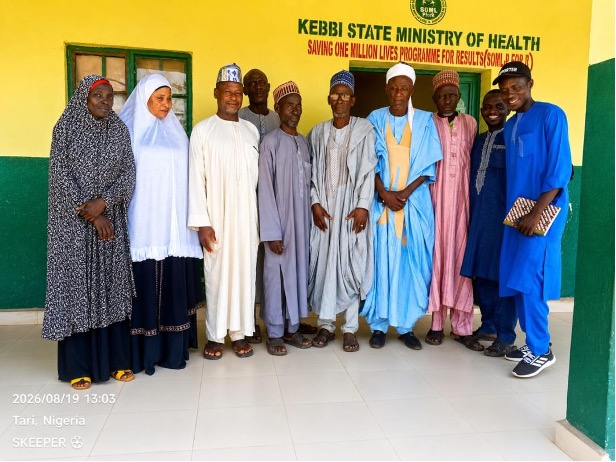
WHAT Local Health Advocacy and Accountability Teams (LHAATs) are gathering evidence on PHC service, financing and accountability gaps.
WHY IT MATTERS State averages can hide important differences between communities and individual health facilities.
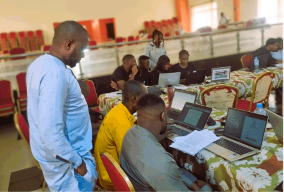
HOW In August, 24 LHAATs in Katsina undertook advocacy, facility data collection and community mobilisation.
RESULT SO FAR 24 LHAATs worked across 24 LGAs, reaching 254 apex PHC facilities in August. |
|
| THE TAKEAWAY Collecting evidence is only the beginning. Its value is demonstrated when identified gaps are acted upon.
WHAT HAPPENS NEXT? Problem identified → Decision-maker engaged → Action taken → Result verified | |
|
|
|---|
|
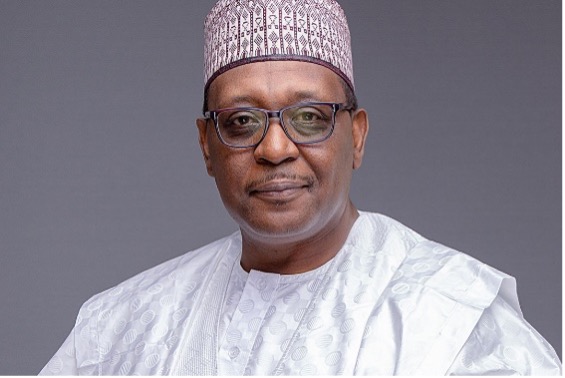 | Prof. Muhammad Ali Pate, CON Coordinating Minister of Health and Social Welfare |
|
|
“
Every naira invested in healthcare must deliver measurable value to Nigerians.”
|
|
|
|
|---|
|
04 | NIGERIA HEALTH SIGNAL |
Better Data. Fewer Missed Children? |
|
|---|
|
WHAT Nigeria is strengthening the use of immunisation data to identify children and communities missed by vaccination services.
WHY IT MATTERS National or state averages can conceal communities where large numbers of children remain unreached.
HOW Better data systems can bring together population, immunisation and disease-surveillance information to locate gaps and direct action.
|
|
| THE TAKEAWAY Data should help identify gaps before outbreaks make them visible.
WHAT HAPPENS NEXT? Move from collecting information to using it for faster and more targeted decisions. | |
|
|
|---|
|
| 05 | KATSINA CHILD SURVIVAL INVESTMENT | Katsina Steps Up Child Survival Investment |
|
|
|---|
|
Katsina’s proposed 2027 budget places increased emphasis on health and child survival. The ₦828.64 billion budget proposal allocates 8.41% to the health sector. | The ICSA Katsina State Team reports that this exceeds its estimated ₦3.23 billion benchmark for the state’s projected under-five population. The proposed investments cover areas including immunisation, nutrition, malaria and free medical care. | WHAT Nigeria is strengthening the use of immunisation data to identify children and communities missed by vaccination services.
|
|
| WHY IT MATTERS National or state averages can conceal communities where large numbers of children remain unreached.
HOW Better data systems can bring together population, immunisation and disease-surveillance information to locate gaps and direct action.
THE TAKEAWAY Data should help identify gaps before outbreaks make them visible.
WHAT HAPPENS NEXT? Move from collecting information to using it for faster and more targeted decisions. | |
|
|
|---|
|
₦3.72 BILLION Proposed for priority child survival interventions
|
|
|
|---|
|
06 | NIGERIA’S HEALTH REFORMS | Nigeria's Health Reforms: The Next Test Is Implementation | 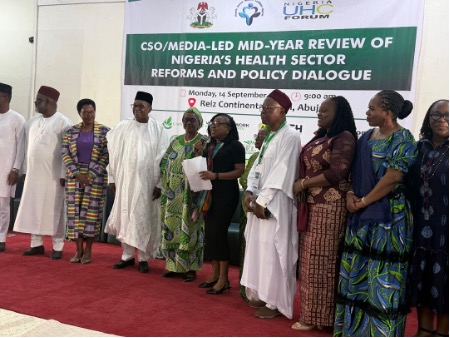 | HSRC and UHC Mid-Year Review, Abuja |
|
|
|
|---|
|
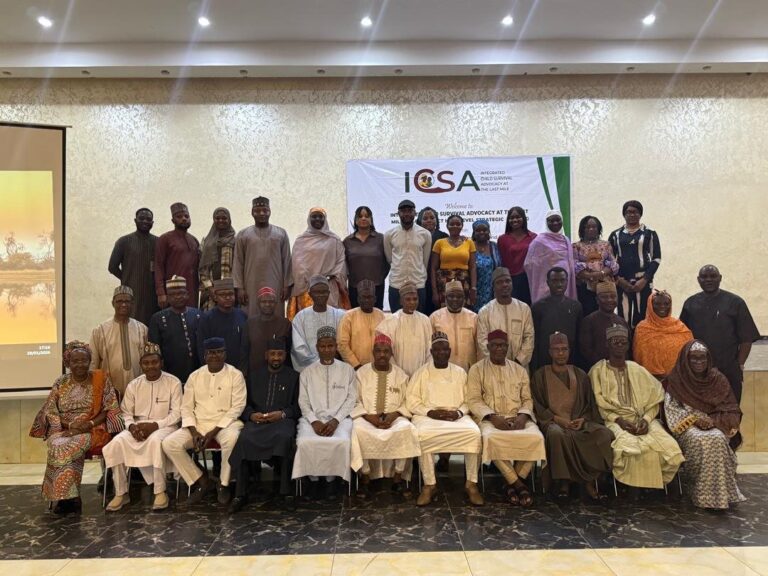
Government, civil society, development partners and the media met in Abuja on 14 September 2026 to review progress on Nigeria’s health reforms.
Coordinating Minister of Health and Social Welfare Prof. Muhammad Ali Pate stressed the importance of sustainable domestic health financing, while civil society called for reforms to translate into functional PHCs, predictable financing, stronger community accountability and measurable results. |
|
| WHY IT MATTERS Health reform should ultimately change what people experience at the point of care.
WHAT HAPPENS NEXT? Track whether commitments translate into functional facilities, frontline financing and better services. | |
|
|
|---|
|
Developments beyond Nigeria are reshaping the environment in which health systems operate. Here are two signals we are watching. |
|
|
|---|
|
| Global Health Funding Pressure Reaches Frontline Programmes |
|
|
|---|
|
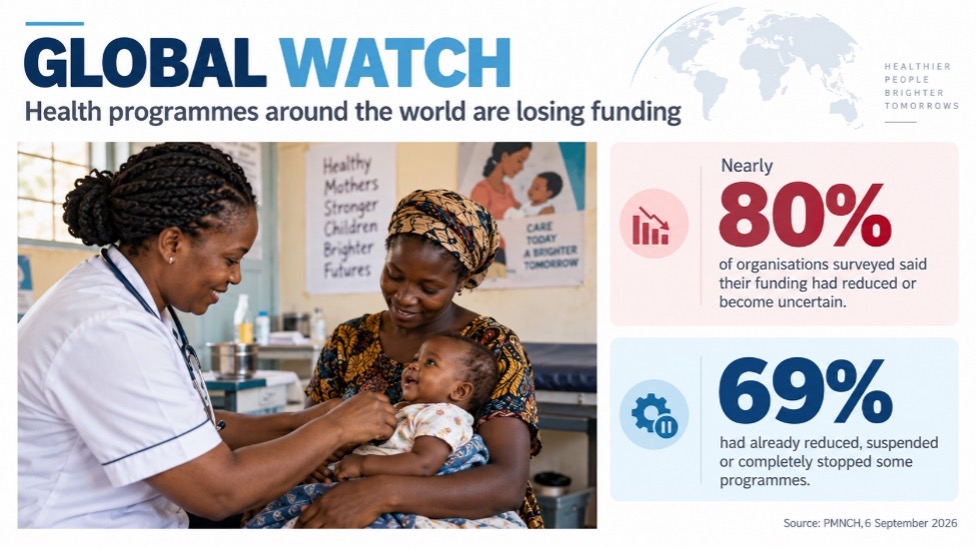 | WHAT WE’RE WATCHING A new 6 September 2026 PMNCH survey of partner organisations based in 67 countries found that global financing pressures are increasingly disrupting programmes for women, children and adolescents. | As external financing becomes less predictable, domestic resource mobilisation, efficient spending and accountability for results become even more important. |
|
|
|---|
|
| Ebola Outbreak Confirmed in the Democratic Republic of Congo | 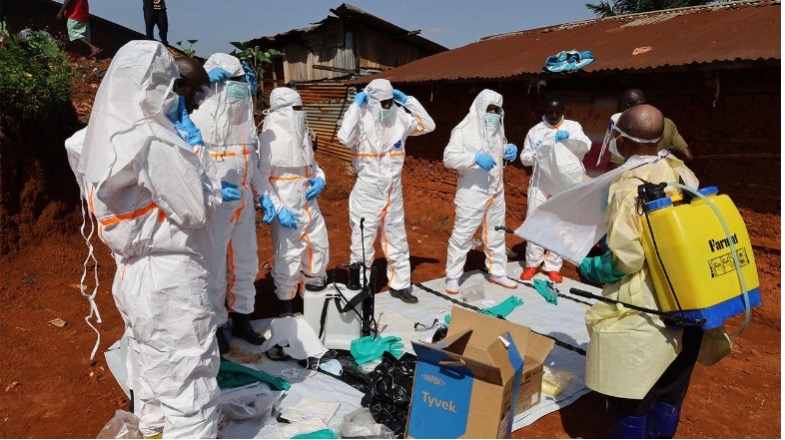 |
|
|
|---|
|
WHAT WE’RE WATCHING The Democratic Republic of Congo declared an Ebola outbreak in Kasai Province on 4 September 2026. At the time of reporting, 28 suspected cases and 15 deaths had been recorded, including four health workers. | THE RESPONSE The Ministry of Health, supported by WHO, has deployed rapid-response teams for surveillance, contact tracing, infection prevention and control, case management and community engagement. Two tonnes of supplies have also been delivered, with additional resources being mobilised. | | | | Outbreaks elsewhere in Africa reinforce the importance of strong surveillance, rapid detection and resilient primary healthcare systems. Preparedness matters before an emergency reaches the doorstep. |
|
|
|---|
|
| | DIPHTHERIA & IMMUNISATION Will emergency vaccination translate into stronger routine coverage?
RURAL IMMUNISATION GAPS Will the 37.1% rural no-vaccination figure begin to fall?
PHC FINANCING Will increased financing translate into reliable facility-level services?
COMMUNITY ACCOUNTABILITY
How many identified gaps will progress to verified resolution?
HEALTH DATA Will better information lead to faster action? |
|
|
|
|---|
|
| ICSA Biweekly Learning Series | | Beyond Data Collection: Using Evidence for Decision-Making and Accountability | Join the next ICSA Biweekly Learning Series as we explore how evidence can move beyond reporting to inform decisions, strengthen accountability and improve health outcomes. | |
|
|
|---|
|
|