FROM THE HEAD OF MISSION'S DESK
Turning Health Commitments into Results

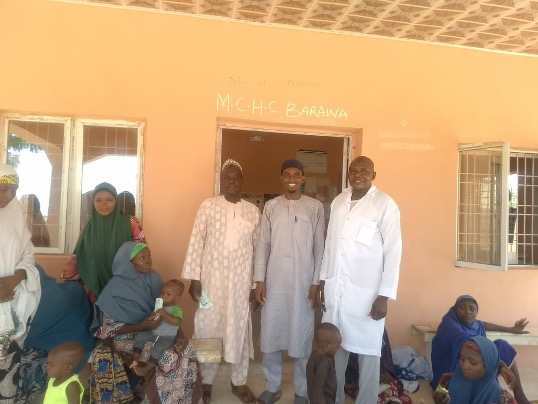
Health systems are ultimately measured by what people experience at the point of care. A budget, a policy, a vaccination campaign or a reform becomes meaningful when it translates into a child protected from disease, a health worker able to provide quality care, and a family able to access essential services when they need them.
This edition of the C-WINS Newsletter reflects on an important question: what happens after the commitment is made?
Recent data show that Nigeria is making progress in some areas, but important gaps remain. Immunisation is one example. While routine coverage is improving, many
Emergency vaccination campaigns remain an important tool for responding to immediate risks. However, lasting protection requires strong routine immunisation services that can reach children consistently, wherever they live. This means ensuring that health facilities have the vaccines, health workers, outreach capacity and community trust required to provide services throughout the year.
Financing is equally important. Increased allocations to primary healthcare provide an opportunity to strengthen services, but the real measure of financing is what reaches facilities and communities. As this edition highlights, we need to look beyond allocation to release, utilisation and results. The experience from Katsina also demonstrates the value of linking proposed investments to clearly identified child survival priorities and subsequently tracking whether those commitments translate into services.
For C-WINS, communities are an essential part of this process. Through the Local Health Advocacy and Accountability Teams, community actors are helping to identify gaps in financing and service delivery. But evidence becomes most valuable when it leads to action. We therefore see a need for stronger mechanisms that connect community evidence to decision-makers and allow progress to be followed through to verified results.
The same principle applies to health data. Better data should help us identify missed communities earlier, understand where services are not reaching people and support faster decisions. The goal should not simply be to collect more information, but to ensure that available evidence informs planning, resource allocation and action.
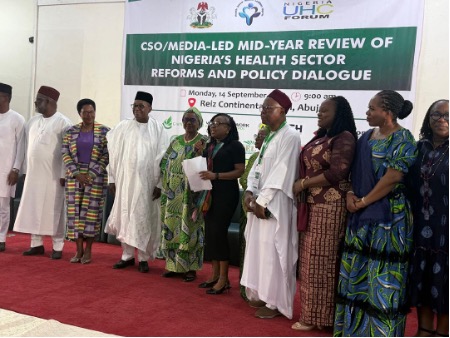
As Nigeria continues to implement health reforms, C-WINS believes there is an opportunity to strengthen the connection between policy commitments and frontline results. This requires sustained government ownership, predictable financing, supported health workers, meaningful community participation and partnerships that strengthen systems for the long term.
The health sector will continue to evolve, and resources will always have competing demands. Our collective responsibility is to ensure that health remains a clear development priority and that investments are directed towards interventions that can demonstrate measurable benefits for people.
At C-WINS, we remain committed to working alongside government, communities, civil society, development partners and other stakeholders to turn evidence into action and commitments into better health outcomes.
Head of Mission, C-WINS