From the Head of Mission’s Desk

Health systems are tested not only by the scale of the challenges they face, but by how effectively they respond to the needs of the people they serve. In this edition, we reflect on a number of developments across Nigeria and Africa that point to an important direction for public health: stronger systems, greater local ownership and solutions that are designed around people.
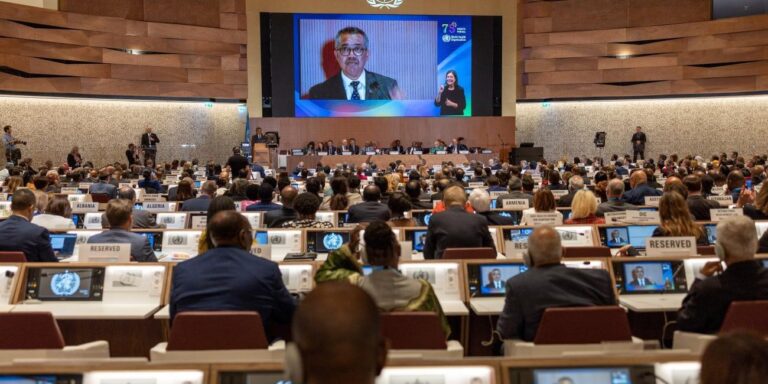
The conversations at the 81st United Nations General Assembly reinforced the importance of preparedness, resilient health systems, sustainable financing, primary health care, community participation and equitable access to essential health products. For Nigeria, these priorities provide an opportunity to strengthen the foundations of health security by investing in systems that can prevent, detect and respond to health threats before they become emergencies.
One example is the commencement of local production of next-generation mosquito nets in Nigeria. With a projected production capacity of 10 million nets annually, the development demonstrates how local manufacturing can contribute to health security while strengthening domestic capacity, skills and supply chains. As the country works to reduce the burden of malaria, ensuring that effective prevention commodities are available where they are needed remains essential.
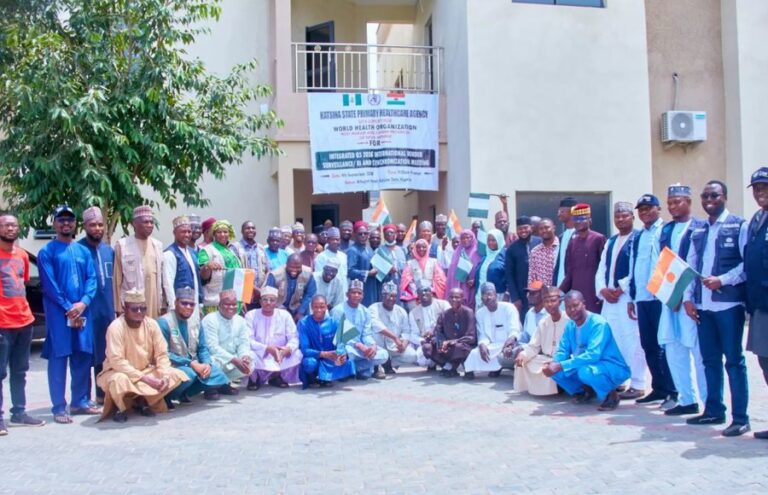
We also look at the growing cooperation between Nigeria and Niger to protect children living in and moving across border communities. The experience demonstrates that diseases do not recognise national boundaries. Immunisation, surveillance and health information systems must therefore be able to respond to population movement and maintain continuity of care.
At the community level, the Integrated Child Survival Advocacy at the Last Mile project offers another important lesson. Across Kaduna, Kano, Katsina, Kebbi and Sokoto, Local Health Advocacy and Accountability Teams are visiting primary health care facilities, identifying gaps and engaging Local Government authorities to seek solutions. From water supply and vaccine confidence to maternal health services and facility utilisation, these community leaders are helping make accountability a practical part of health service delivery.
Finally, our reflection on road safety reminds us that public health extends beyond the walls of health facilities. With road crashes claiming hundreds of thousands of lives across Africa every year, prevention must be matched by effective emergency response. The minutes following a crash can determine whether an injured person survives. Emergency communication, first response, ambulance services, trauma care and referral systems therefore deserve greater attention.
Across these stories, one message stands out: health improvement is built through connected systems and collective responsibility.
Government, communities, health workers, development partners, private-sector actors, the media and citizens all have a role to play. Our task is to strengthen these connections, support evidence-led action and ensure that health systems remain responsive to the people they serve.
As we move forward, let us continue to turn commitments into action, evidence into decisions and community voices into meaningful improvements in health.
Dr. Mahmud Mustafa
Head of Mission, C-WINS