Nigeria's Health Reforms: The Next Test Is Implementation
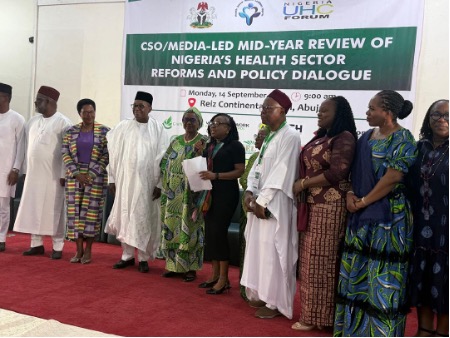
This was a central message at the HSRC/Nigeria UHC CSOs-Media Mid-Year Review of Nigeria’s Health Sector Reforms, held in Abuja on 14 September 2026.
The dialogue brought together government representatives, civil society organisations, development partners and the media to assess progress and identify priorities for strengthening implementation.
Sustaining political commitment and financing
The Coordinating Minister of Health and Social Welfare, Prof. Muhammad Ali Pate, emphasised the need for sustained political commitment and stronger health financing, particularly at the subnational level.
This message matters because many essential health services are ultimately delivered at the state, LGA, and community levels. National commitments must therefore translate into financing and implementation where people actually seek care.
Civil society, represented through the Health Sector Reform Coalition (HSRC), acknowledged progress under the reform agenda while emphasising that sustainability will depend on stronger implementation, adequate financing and institutionalisation across all levels of government.
From renovated PHCs to functional PHCs
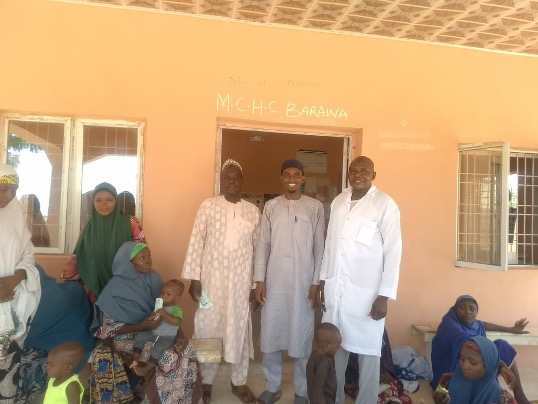
A major focus of the discussion was the need to move beyond simply counting renovated or revitalised health facilities.
A functional PHC requires more than a building. It requires adequate health workers, essential medicines, equipment, electricity, water, effective referral systems, infection prevention measures and respectful care.
The question should therefore shift from “How many facilities have been renovated?” to “How many facilities are consistently providing quality services?”
Financing and accountability
The dialogue also highlighted the need for predictable and timely health financing and stronger transparency around public health resources.
This is particularly relevant as Nigeria continues to increase investment through mechanisms such as the Basic Health Care Provision Fund. The Federal Ministry of Health and Social Welfare reports that the latest ₦32.9 billion BHCPF disbursement is supporting more than 8,300 PHCs nationwide. (Health and Social Welfare USA)
The important next step is ensuring that these resources can be followed from allocation and release through to services and measurable results.
Communities must remain part of the reform
Community participation was another important theme.
Structures such as Ward Development Committees can help communities participate in monitoring health services, identifying gaps and strengthening accountability. For these mechanisms to work effectively, communities need information, capacity and meaningful opportunities to engage decision-makers.
The broader lesson is that health reform cannot be sustained by government institutions alone. Citizens and communities must also be able to see what has been promised, understand what has been delivered and participate in identifying what needs to improve.
Measuring reform by people’s experience
Ultimately, the success of Nigeria’s health reforms should be measured by what changes for people, particularly women, children, rural communities, low-income households and people living in hard-to-reach and underserved areas.
Policies, strategies, financing frameworks and renovated facilities are important. But they are means to an end.
The stronger questions are whether medicines are available, health workers are present, services are affordable, facilities function consistently and people receive quality care when they need it.
Nigeria’s reform agenda has created an opportunity to strengthen the health system. The next test is implementation — and whether reform commitments translate into better care at the point where Nigerians experience the health system.