Nigeria generates significant amounts of health data. The more important question is whether that information is being used quickly enough to identify children and communities being missed by essential health services.
Recent immunisation and disease-surveillance evidence demonstrates why this matters.
National and state averages can suggest progress while concealing communities where large numbers of children remain unreached. When these gaps persist, they can create conditions for vaccine-preventable diseases to continue spreading.
From numbers to decisions
Better use of data can help health authorities combine information on population, routine immunisation, disease surveillance and service delivery to identify where coverage is weakest.
Instead of waiting until an outbreak reveals a gap, data can help answer practical questions earlier:
Where are unvaccinated children concentrated? Which facilities are reporting low utilisation? Which communities repeatedly miss vaccination services? Where should outreach teams be deployed?
The objective is not simply to collect more information. It is to turn existing information into faster and more targeted decisions.
Data at the last mile
C-WINS’ experience reinforces the importance of linking data with action.
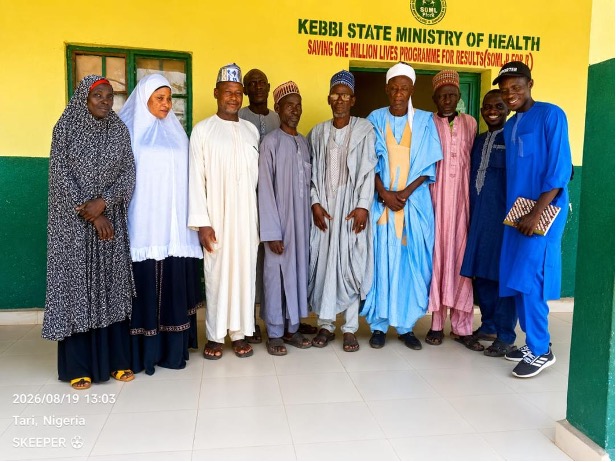
Through ICSA, facility and community evidence is being used to identify service-delivery and financing gaps and support engagement with government and other decision-makers. The programme’s model places data and evidence at the centre of advocacy and accountability. (c-wins.org)
This approach recognises that data becomes most valuable when it moves through a clear pathway:
Data → Insight → Decision → Action → Result
Looking ahead
Digital systems and stronger health information platforms can speed up and improve the quality of decision-making, but technology alone is not enough.
Health workers and managers must be able to interpret the information, identify meaningful gaps, and act on what the data show.
The ultimate test of a better health data system is therefore not how much information it collects, but whether that information helps health authorities find missed children earlier, target resources better and prevent avoidable illness and death.