From Advocacy to Impact: How Nigeria Protected Over 120 Million Children Through the Measles-Rubella Campaign
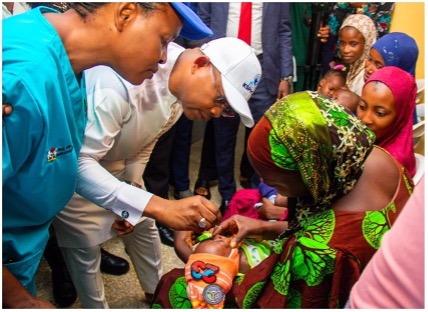
His Excellency, Ahmed Usman Ododo, Governor of Kogi State, administering polio immunization drops to a child during the state flag-off of the integrated Measles-Rubella campaign in Lokoja, Kogi State, on October 8, 2025.
When Nigeria set out to introduce the Measles-Rubella (MR) vaccine nationwide, the challenge was not only about delivering vaccines, but about building trust, securing commitment, and mobilising millions of families across diverse communities.
At the outset, awareness was low, vaccine hesitancy remained a concern in several regions, and immunisation needed stronger political visibility. Reaching every child required more than logistics. It required people, partnerships, and purposeful advocacy.
The response was a coordinated national effort that placed advocacy and stakeholder engagement at the centre of implementation.
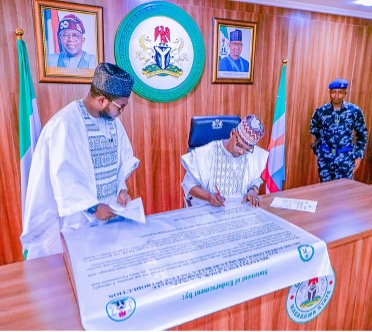
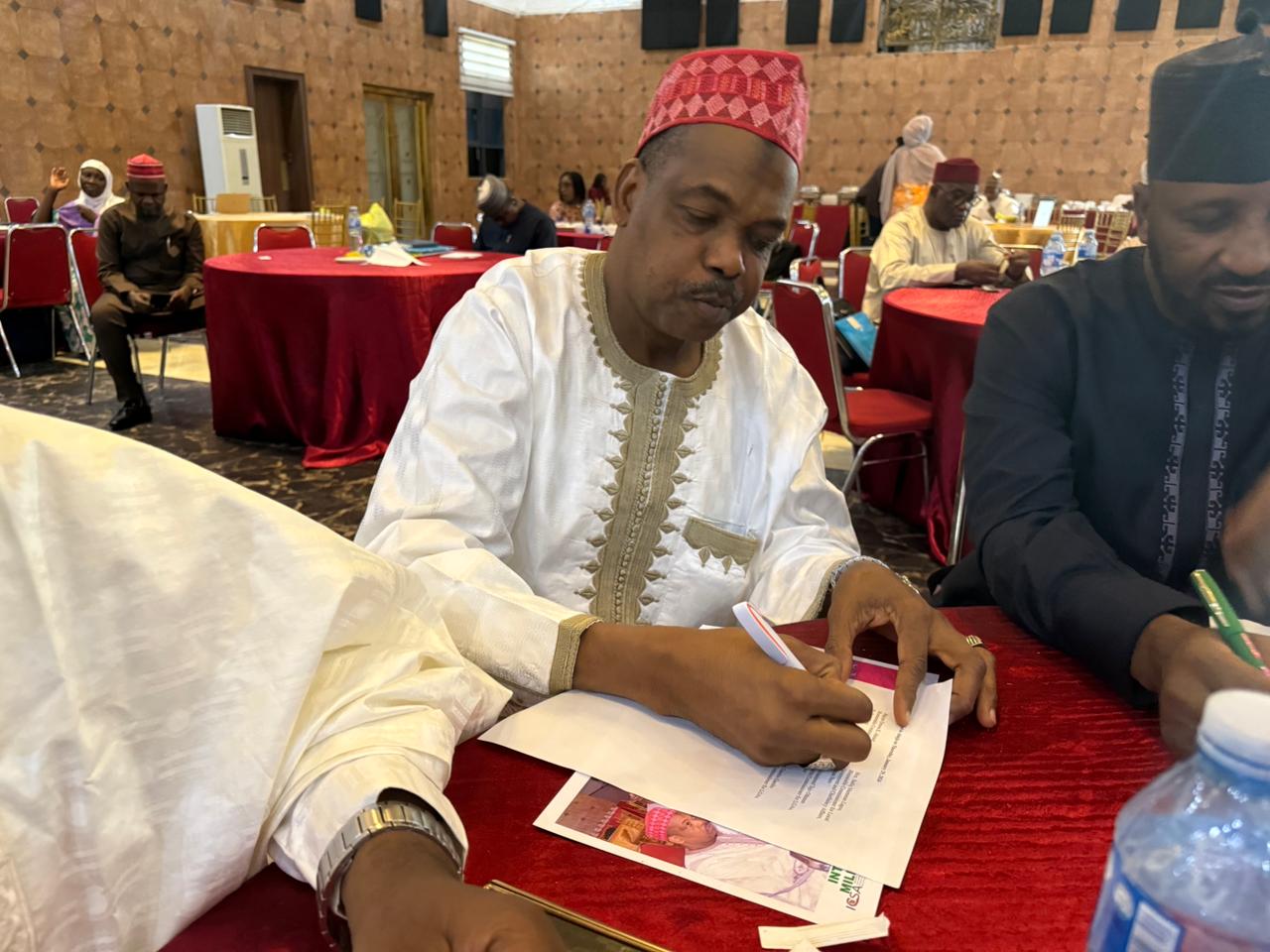
His Excellency, Governor Abdullahi Sule, Governor of Nasarawa State, signing a commitment letter to ensure state ownership and guarantee that every eligible child in Nasarawa receives the Measles-Rubella vaccine, at the Government House, Lafia, Nasarawa State, in May 2025.
The campaign was delivered in two phases. Phase 1, implemented in October 2025 across Northern Nigeria, laid the foundation by driving early political buy-in and community engagement. Phase 2, rolled out in January 2026 across Southern Nigeria, built on this momentum, reinforcing trust, expanding partnerships, and accelerating uptake. Together, all 36 states and the FCT successfully launched and implemented the campaign.
Advocacy played a defining role in this achievement. At the national level, sustained engagement with government leaders ensured that the MR vaccine remained a priority within health and financing agendas. This translated into concrete commitments, including funding for vaccine procurement and operational support.
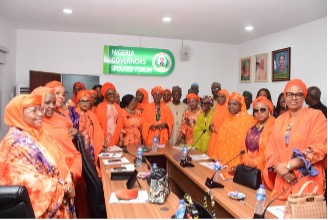
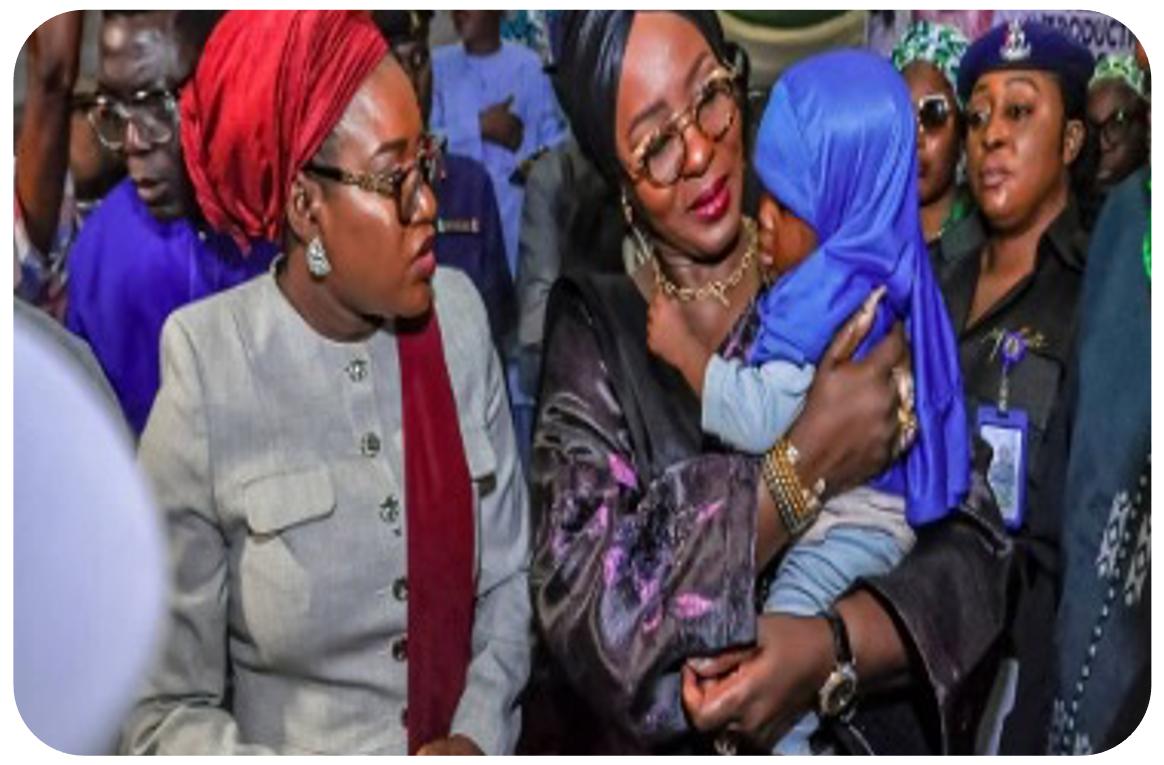
Sensitisation meeting with members of the Nigeria Governors’ Spouses Forum, comprising the First Ladies of the 36 states in Nigeria, held at the NGSF Secretariat in Abuja on December 5, 2024. During the meeting, the First Ladies committed to lead advocacy and mobilise mothers and families across their states to support the nationwide Measles-Rubella vaccination campaign.
At the subnational level, governors, First Ladies, and Commissioners of Health became visible champions of the campaign. Their leadership elevated the importance of immunisation, strengthened accountability, and signalled to communities that the vaccine was safe, important, and endorsed at the highest levels.
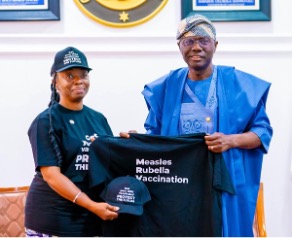
Nationwide Measles-Rubella Vaccination Campaign advocacy meeting with Babajide Sanwo-Olu, Executive Governor of Lagos State, led by Ibijoke Sanwo-Olu, First Lady of Lagos State, at the Lagos State Government House, Lagos, on August 18, 2025. The meeting focused on strengthening state support and political commitment for the Measles-Rubella vaccination
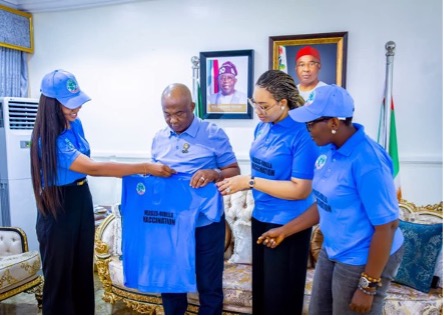
Her Excellency, Chioma Uzodimma, First Lady of Imo State, leading advocacy to the Governor of Imo State to secure funding commitment and strengthen state ownership for the Measles-Rubella campaign in Owerri, Imo State, on February 2, 2026.
Equally important was the strength of the coalition that emerged.
C-WINS and partners worked through existing and new platforms to bring together a broad range of actors, including the Nigeria Governors’ Spouses Forum, traditional and religious leaders, medical professional associations, civil society organisations, and youth networks. This coalition bridged national and community levels, ensuring that advocacy was not only top-down but also rooted in local realities.
Traditional and religious leaders helped to address long-standing concerns and build trust in communities where hesitancy had previously limited uptake. Their voices, grounded in cultural and social influence, reassured caregivers and encouraged acceptance.
At the community level, engagement was direct and continuous. Town hall meetings, community dialogues, and grassroots sensitisation created spaces for interaction in which questions could be answered and concerns addressed. The National Orientation Agency and partners ensured that these efforts were coordinated and sustained.
The media amplified these messages at scale. Through partnerships with the Broadcasting Organisation of Nigeria and a coalition of radio stations, regular programmes reached millions of households. Social media influencers and youth networks extended the conversation online, making information accessible and relatable, particularly for younger audiences.
This combination of high-level leadership and grassroots engagement created a reinforcing cycle of trust, awareness, and action.
The results were unprecedented.
Across Nigeria, more than 120 million children aged 9 months to 14 years were vaccinated, achieving 99 per cent national coverage. This represents one of the largest and most successful immunisation efforts in the country’s history, significantly increasing protection against measles and rubella.
Beyond coverage, the campaign contributed to a shift in public confidence. Communities that once expressed uncertainty are now more informed and engaged. Early data already points to a decline in measles cases, while the integration of the rubella vaccine into routine immunisation ensures that these gains will be sustained.
This success underscores a critical lesson. Vaccination campaigns are most effective when advocacy is timely, coordinated, and inclusive. By engaging stakeholders early, aligning messages, and building coalitions that operate across all levels, barriers such as hesitancy and limited political commitment can be addressed.
The MR campaign has demonstrated the power of collective action. It has been shown that when government, communities, and partners work together with a shared purpose, large-scale impact is possible.
As Nigeria moves forward, sustaining this coalition will be essential. The networks, trust, and systems built through this campaign provide a strong foundation for strengthening routine immunisation and reaching every child with life-saving vaccines.
The story of the MR campaign is not only about numbers. It is about what can be achieved when advocacy connects leadership to communities, and when commitment is translated into action that protects lives.
Written by Ndidichukwu Odoh,
Communications Lead for Centre for Well-being and Integrated Nutrition Solutions (C-WINS)