National Health Promotion Day 2026
“Health Promotion: Owning My Health”
“Take Charge, Live Well.”
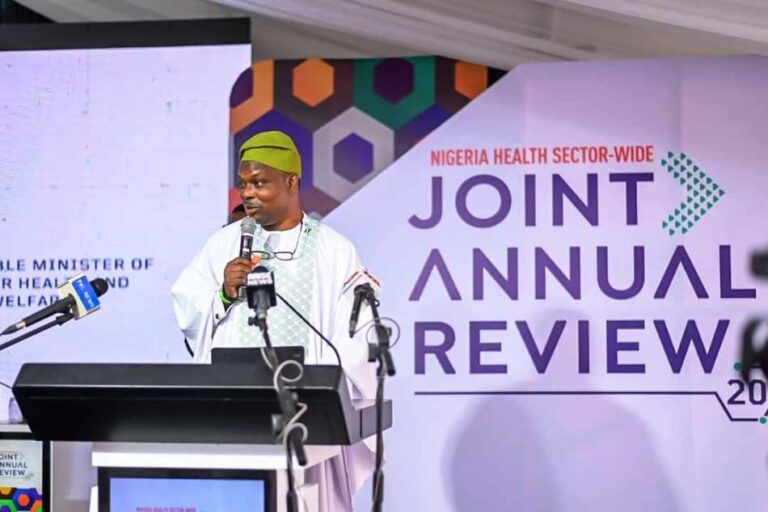
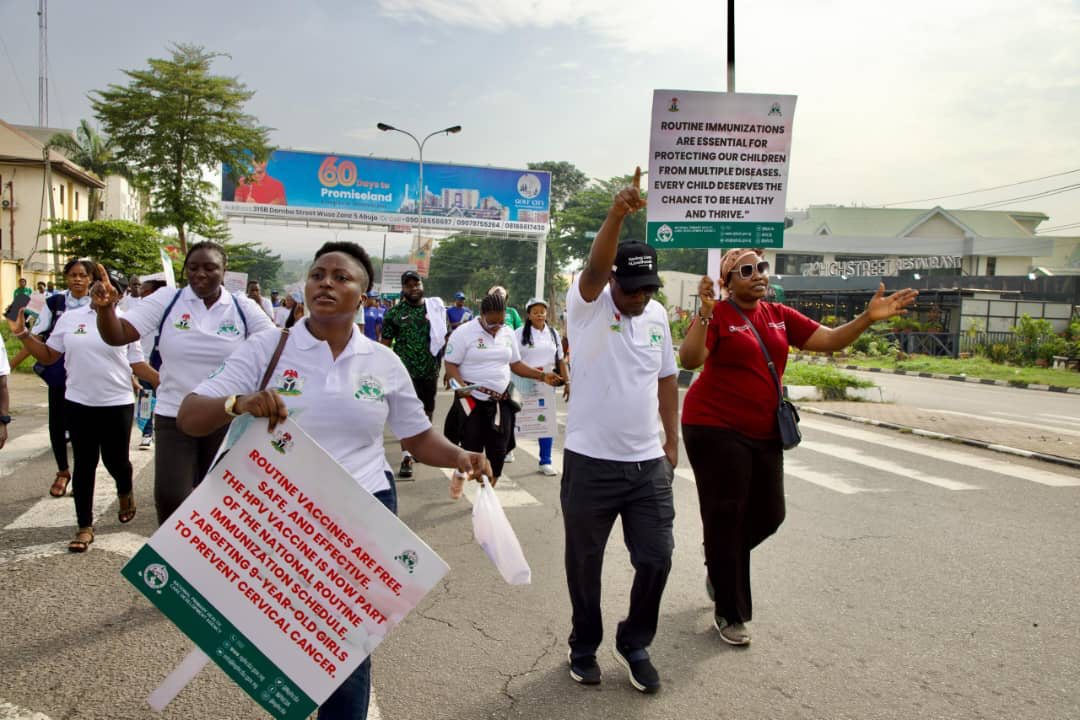
Nigeria joined the global public health community in reinforcing the importance of preventive healthcare as it commemorated the 2026 National Health Promotion Day on 29 October in Abuja. With the theme, “Health Promotion: Owning My Health” and the slogan, “Take Charge, Live Well,” this year’s observance called on individuals, families and communities to take a more active role in protecting their health and wellbeing.
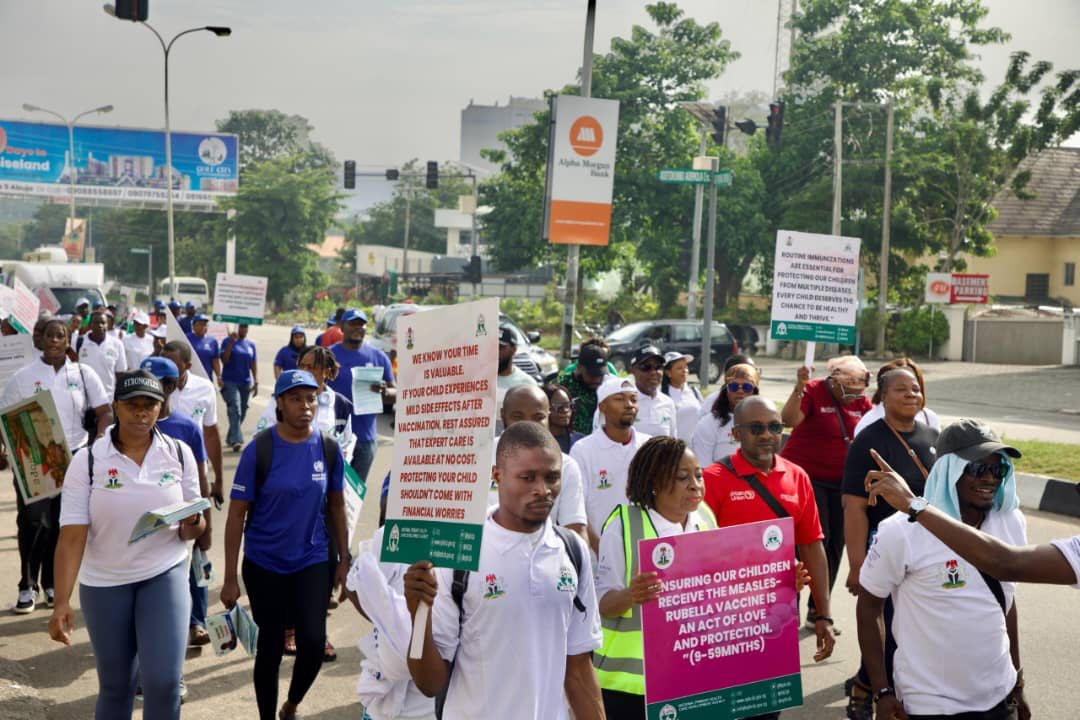
At the commemoration, the Coordinating Minister of Health and Social Welfare, Professor Muhammad Ali Pate, represented by the Permanent Secretary, Daju Kachollom, emphasised that good health goes beyond access to hospitals and treatment. It also depends on informed decisions, early detection of illnesses, healthy lifestyles, access to reliable health information and environments that support wellbeing.
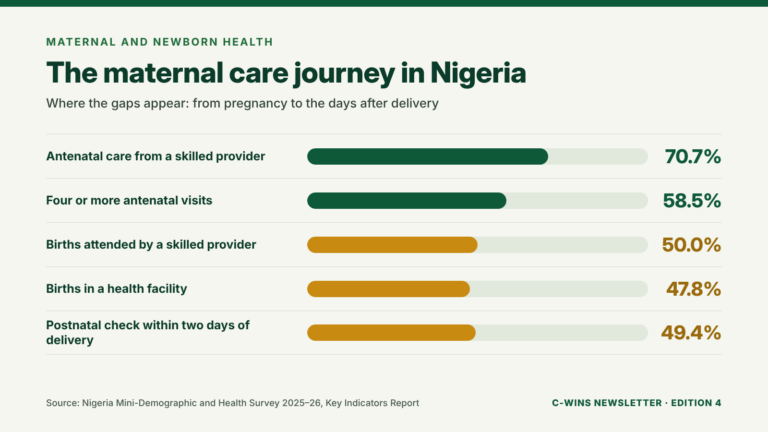
The message is particularly relevant to Nigeria, where preventable illnesses and delayed access to healthcare continue to affect families and communities. Citing the 2024 Nigeria Demographic and Health Survey, the Minister noted that under-five mortality declined from 132 deaths per 1,000 live births in 2018 to 110 in 2024. However, neonatal mortality increased from 39 to 41 deaths per 1,000 live births over the same period, highlighting the need for stronger preventive interventions and timely access to quality maternal and newborn care.
From awareness to action
Health promotion is not simply about sharing information or organising awareness campaigns. It is about helping people understand health risks, make informed choices and access the services they need to stay healthy.
The Federal Government highlighted several areas requiring greater public attention, including routine immunisation, healthy nutrition, physical activity, good hygiene, mental wellbeing, family planning and screening for conditions such as hypertension, diabetes and cervical cancer. Citizens were encouraged to seek credible health information, participate in recommended screening and vaccination programmes, and seek medical attention early when symptoms arise.
The Director of the Federal Ministry of Health and Social Welfare’s Health Promotion Department, John Uruakpa, reported that more than 20 million Nigerians had been reached with health promotion messages through radio, social media and community outreach. He also highlighted the importance of taking health promotion beyond national campaigns and embedding it in schools, communities and primary healthcare facilities.
The commemoration further called for stronger collaboration among government institutions, health workers, traditional and religious leaders, schools, the media, civil society organisations and development partners. This recognises that improving health outcomes is a shared responsibility that requires action across sectors and at every level of society.
“Improving health outcomes is a shared responsibility that requires action across sectors and at every level of society.”
Why this matters for communities
For many families, taking charge of health begins with simple but important actions:
However, individuals cannot take these actions effectively without supportive systems. Communities need accessible and functional primary healthcare facilities, trained health workers, essential medicines, reliable information and responsive referral services.
This is where community participation and accountability become important. When community members understand their health needs, engage with local authorities and monitor the quality of services available to them, they can help identify gaps and encourage practical solutions.
C-WINS and ICSA in action
Through initiatives such as the Integrated Child Survival Advocacy at the Last Mile (ICSA) project, C-WINS, working with its consortium partners, supports this approach by strengthening community-led accountability, advocating for sustainable health financing and promoting the integration of essential child survival services at primary healthcare level.
The project’s Local Health Advocacy and Accountability Teams (LHAATs) provide a platform for community members to assess health facilities, identify service delivery challenges and engage duty-bearers on improvements. These efforts demonstrate how health promotion can move beyond information sharing to meaningful community participation and action.
Making health promotion a daily practice
Nigeria’s 2026 National Health Promotion Day is a reminder that protecting health should not be limited to one day of national observance. It requires consistent action by individuals, families, communities, healthcare providers and government institutions.
For health promotion to deliver lasting results, public awareness must be matched by accessible services, adequate financing, reliable data and accountability for results. People must not only know what to do to protect their health; they must also have the opportunity and support to act on that knowledge.
As the country embraces the message, “Take Charge, Live Well,” the challenge is to make prevention part of everyday life and ensure that every community has the information, services and support needed to live healthier lives.
A healthier Nigeria begins with informed people, empowered communities and a health system that makes healthy choices possible.
Was this page useful to you?
Your answer is anonymous and helps us decide what to publish next.
Thank you. Your feedback helps us improve our news and articles.