Health sector reform | JAR 2026
As government, development partners, civil society and other health sector actors meet in Abuja, attention turns to evidence, accountability and the delivery of better healthcare for Nigerians.

Nigeria’s health sector is set for an important national conversation this week as stakeholders gather in Abuja for the 2026 Health Sector Joint Annual Review (JAR), scheduled for 9–12 November at the Transcorp Hilton. Convened under the theme, “Together to Higher Grounds: Make Reform Data Count,” the meeting provides a platform for reviewing progress in the country’s health sector reforms, examining implementation challenges and agreeing on priorities for the year ahead.
The Joint Annual Review is an important accountability mechanism under Nigeria’s Health Sector Renewal Investment Initiative and the Sector-Wide Approach (SWAp). It brings together the Federal Ministry of Health and Social Welfare, state governments, development partners, local government leadership, civil society organisations, traditional and religious institutions, and private sector actors to assess how national health commitments are translating into results.
This year’s theme reflects a growing recognition that health sector reform must be guided by credible evidence, coordinated action and measurable improvements in service delivery. Beyond reporting activities and achievements, stakeholders are expected to examine what is working, where implementation is falling behind, and what needs to change to improve access to quality and affordable healthcare.
The conversations are particularly important as Nigeria continues to pursue Universal Health Coverage, strengthen primary healthcare, expand financial protection, improve health workforce capacity and build more responsive health systems. The Health Sector Renewal Compact also provides a framework for shared responsibilities across government levels and non-governmental actors, with emphasis on stronger financing, coordination, data use and accountability.
What should stakeholders expect at JAR 2026?
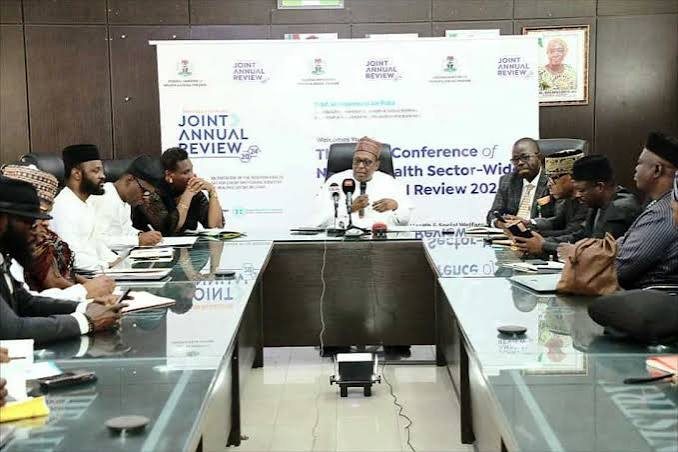
The review is expected to create space for discussions around national and state performance, primary healthcare delivery, sustainable health financing, digital health, workforce development, emergency response and partnerships. The official JAR platform identifies federal institutions, state leadership, development partners, local government leaders, community representatives, traditional and religious leaders, and the private sector as important participants in the national conversation.
The scientific sessions and innovation showcases will also provide opportunities to present research, practical experiences and evidence of interventions that can inform health sector decisions and be adapted or scaled across states.
A key expectation is that discussions will move beyond the presentation of achievements to a more practical examination of implementation. For state governments, this means demonstrating how commitments are reflected in budgets, timely releases, functional health facilities and improved service delivery. For development partners, it means aligning technical and financial support with national and state priorities, strengthening local systems and supporting sustainable solutions. For civil society and community actors, it is an opportunity to bring citizens’ experiences into policy discussions and strengthen accountability for the services people receive.
BHCPF in focus: financing healthcare for poor and vulnerable Nigerians
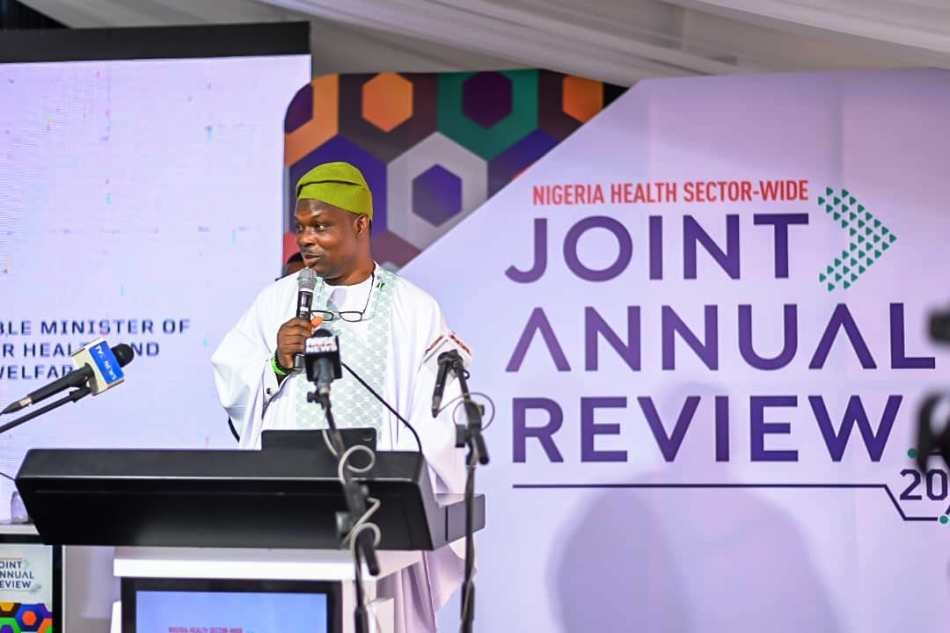
One of the important conversations scheduled for Day Two is a 90-minute side session on the Basic Health Care Provision Fund (BHCPF), titled “Learnings from Nigeria’s Pro-Poor Programmes as a Means of Advancing Universal Health Coverage.” Convened by the BHCPF Ministerial Oversight Committee Secretariat in collaboration with Results for Development (R4D), the session will hold on 10 November, from 3:00 pm to 4:30 pm.
The discussion will examine how the BHCPF’s pro-poor financing windows are supporting access to essential health services, particularly for poor and vulnerable populations. These include the Vulnerable Group Fund, which supports access to health insurance; direct facility financing for primary healthcare; emergency medical treatment; and outbreak response.
The session will feature a framing presentation on the BHCPF as Nigeria’s pro-poor health financing vehicle, followed by presentations from four implementing gateways: the National Health Insurance Authority (NHIA), the National Primary Health Care Development Agency (NPHCDA), Emergency Medical Treatment (EMT) and the Nigeria Centre for Disease Control (NCDC).
A panel discussion will then explore what works in reaching the poorest populations and the barriers that prevent financing and services from reaching those who need them most. Participants will be encouraged to examine how beneficiaries are identified and verified, how funds reach health facilities, the role of state contributions and what is required to sustain these programmes beyond federal support.
Importantly, the session is expected to generate three to five practical recommendations for consideration in the JAR 2026 resolutions and state operational plans for 2027. These recommendations will help connect financing commitments to implementation responsibilities and results.
From commitments to action
For Nigeria’s health sector, the real value of JAR 2026 will be measured not by the number of presentations delivered or meetings held, but by the quality of decisions and commitments that emerge.
Federal and state governments will need to demonstrate stronger ownership of health reforms through adequate budgetary allocations, timely releases, improved coordination and transparent reporting. Local governments must play a stronger role in primary healthcare governance and community-level accountability. Development partners must continue to align their support with national priorities, while civil society, traditional and religious leaders and communities must remain active participants in monitoring progress and identifying service delivery gaps.
As stakeholders meet this week, the central question is whether the evidence presented will lead to clear responsibilities, realistic timelines and measurable actions. The outcomes should inform state planning and budgeting for 2027 and strengthen accountability for commitments already made.
Ultimately, “Make Reform Data Count” is a call to ensure that data informs decisions, decisions influence resource allocation, and investments translate into better health outcomes.
For Nigerians, the expectation is simple: stronger primary healthcare facilities, more accessible and affordable services, better protection for vulnerable populations, and a health system that responds to people’s needs. The challenge before JAR 2026 is to turn shared commitments into tangible progress for every community.
Was this page useful to you?
Your answer is anonymous and helps us decide what to publish next.
Thank you. Your feedback helps us improve our news and articles.