ICSA | One year at the last mile
One year into implementation, the Integrated Child Survival Immunisation Advocacy at the Last Mile (ICSA) Project is demonstrating how community voices, government commitment, sustainable financing and stronger health systems can work together to improve the lives of mothers and children.
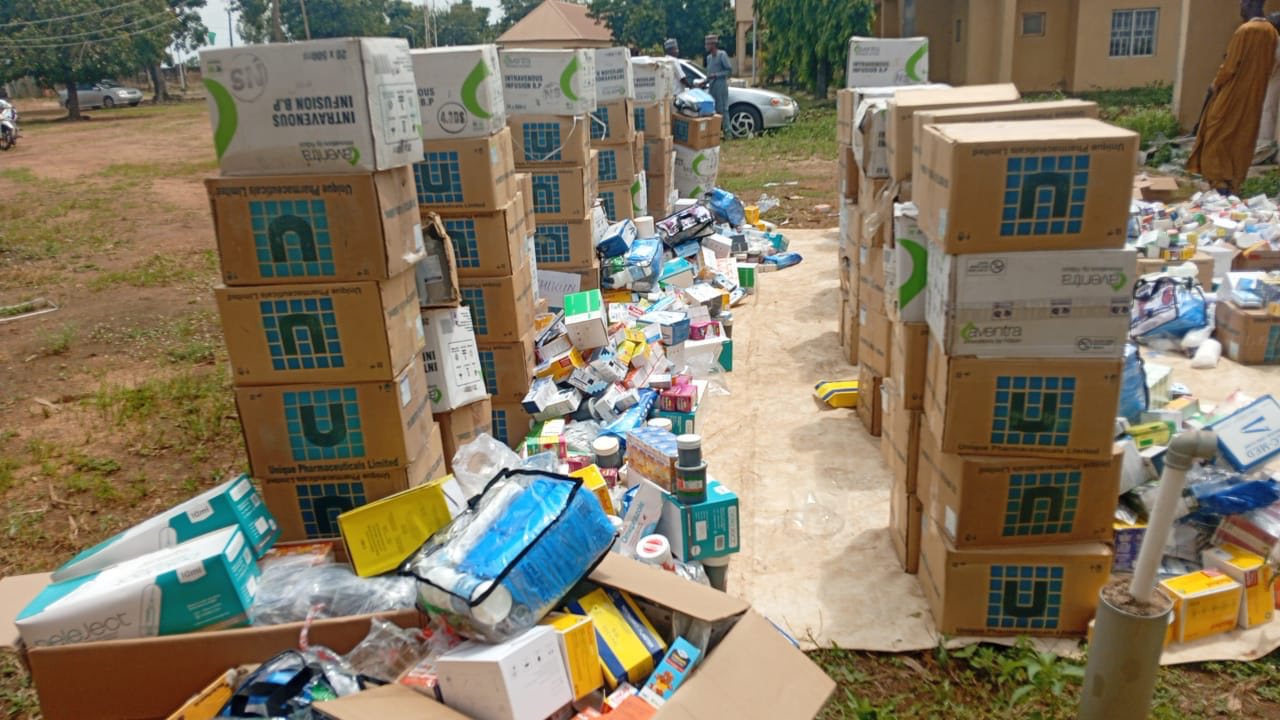
A mother walks into a primary healthcare centre with her child for routine immunisation. She hopes to receive more than a vaccine. She needs reliable health information, access to essential medicines, malaria prevention services and, where necessary, quality care for herself and her child. But across many underserved communities in Nigeria, this experience is far from guaranteed. Health facilities struggle with inadequate funding, staff shortages, commodity stock-outs and limited community engagement.
These are the challenges that the Integrated Child Survival Immunisation Advocacy at the Last Mile (ICSA) Project, led by the Centre for Well-Being and Integrated Nutrition Solutions (C-WINS), alongside consortium partners ACOMIN and NANA Girls, is working to address.
The two-year ICSA project is being implemented across 145 Local Government Areas (LGAs) in Kaduna, Kano, Katsina, Kebbi and Sokoto States, with Osun serving as a comparator and learning state. Its ambition is straightforward but far-reaching: to ensure that mothers and children in underserved communities have access to integrated, adequately financed and accountable primary healthcare services.
After its first year of implementation, ICSA is beginning to demonstrate what becomes possible when advocacy moves beyond conversations and translates into government action, community accountability and improvements in the delivery of essential health services.
ICSA in numbers • First year (as reported at 30 October 2026)
Turning political commitments into health financing
One of ICSA’s central priorities is to address the persistent financing gaps that undermine primary healthcare delivery. The project advocates for every LGA to allocate and release at least US$1 (approximately ₦1,500) per child under five for primary healthcare operations, with the longer-term ambition of increasing domestic investment in health.
The advocacy is already generating encouraging results.
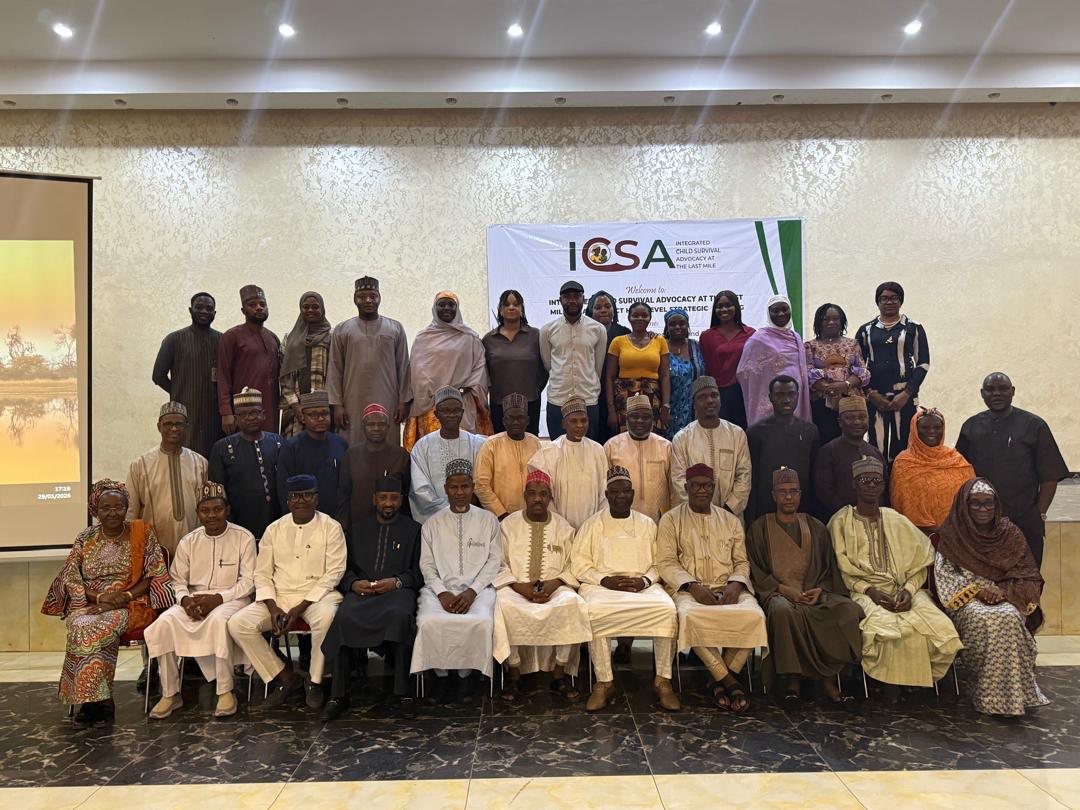
On 29 January 2026, six Commissioners for Health representing the five implementation states and Osun, alongside five Commissioners for Local Government, endorsed the US$1-per-child financing benchmark through a joint communiqué. Similar commitments followed across the five states and from the Chairpersons of all 50 Phase 1 LGAs.
More importantly, these commitments are beginning to influence budget decisions.
Between 2025 and 2026, four of the five implementation states recorded increases in average LGA health budgets. Sokoto recorded a 329% increase, Kaduna 282%, Katsina 66% and Kebbi 0.3%. Kano recorded a decline of 53.5%, highlighting the need for continued engagement.
In Katsina, the draft 2027 budget includes ₦3.72 billion for child-survival budget lines, representing 115% of the ICSA financing benchmark for the state. Kaduna’s draft 2027 budget also includes ₦2.55 billion for its 255 apex primary healthcare centres. Additionally, Kaduna released ₦65 million for malaria commodities, while Katsina approved ₦500 million for nutrition.
These developments demonstrate the potential of evidence-based advocacy to influence public financing priorities and encourage governments to take greater responsibility for sustaining essential health services.
A note on the road ahead
However, translating budget allocations and political commitments into predictable releases remains a work in progress. The project is strengthening its monitoring and verification systems to ensure that funds allocated for health actually reach frontline facilities.
“Every contact with the health system is an opportunity to protect a mother and her child.”
Bringing essential health services closer to mothers and children
For many families, visiting a health facility can mean making separate trips for immunisation, antenatal care, malaria services and nutrition counselling. This creates additional costs, consumes valuable time and increases the likelihood that children and mothers miss essential interventions.
ICSA is addressing this challenge by advocating for integrated primary healthcare delivery, where multiple essential services are made available through a coordinated approach.
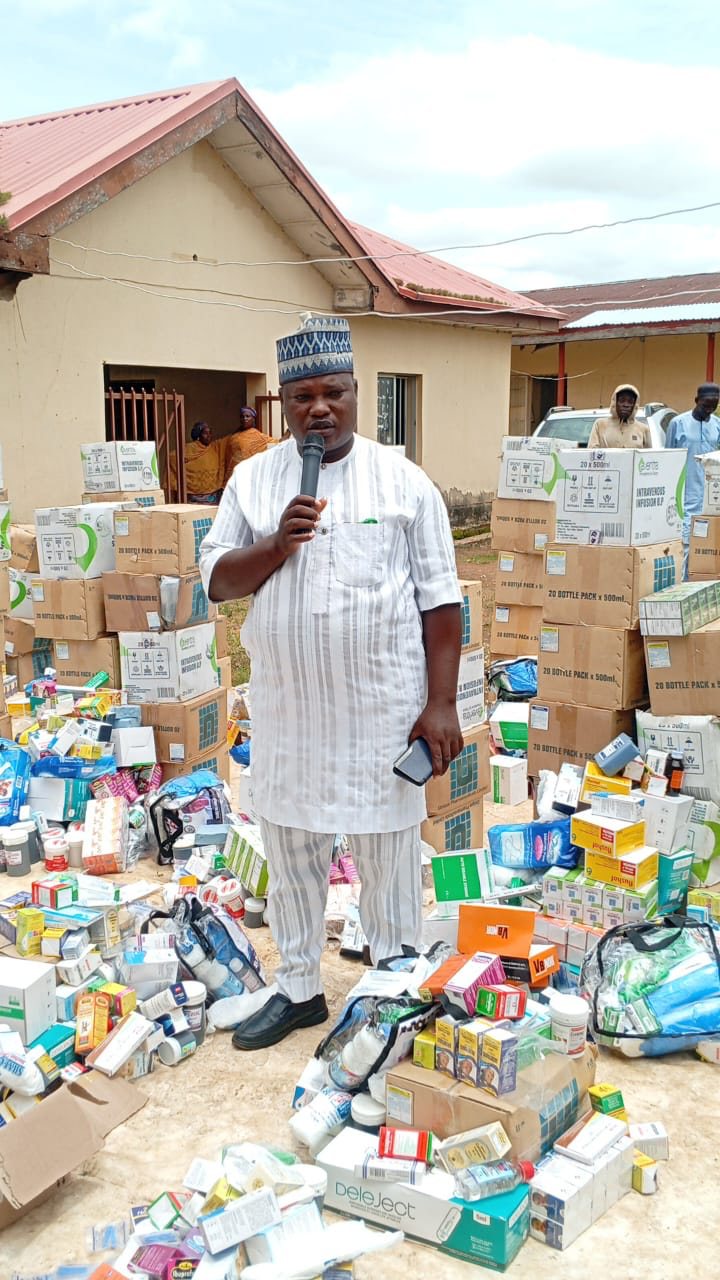
The project has made considerable progress in embedding child-survival priorities into government planning processes. Across all five implementation states, annual operational plan reviews have incorporated priorities relating to immunisation, malaria and maternal, newborn and child health.
In Sokoto and Kebbi, child-survival priorities were incorporated into state primary healthcare operational plans. Katsina costed its 2026 annual operational plans across all 34 LGAs, while Kaduna adopted ICSA priorities during its mid-year review. In Kano, the State MNCH Technical Working Group issued a circular on 30 August 2026 directing primary healthcare coordinators to strengthen service integration.
At the service delivery level, 47 of the 50 Phase 1 LGAs reported conducting integrated primary healthcare sessions.
Between May and June 2026, community monitoring recorded 133,291 integrated service contacts across 278 primary healthcare facilities in 48 LGAs. These included:
By July, reported service contacts had increased to 168,106 as monitoring expanded. These figures reflect the growing reach of integrated service delivery and the importance of making every contact with the health system count.
Yet, the work is not finished
Only 69 of 247 facilities (27.9%) assessed were offering all four priority services: immunisation, antenatal care, malaria and nutrition. Closing this gap remains an important priority for the next phase.
When communities become champions of accountability
Perhaps one of ICSA’s most encouraging achievements is the emergence of community-led advocacy and accountability structures that are helping residents engage directly with local authorities and health facilities.
Through the establishment of Local Health Advocacy and Accountability Teams (LHAATs), the project is placing communities at the centre of efforts to improve primary healthcare.
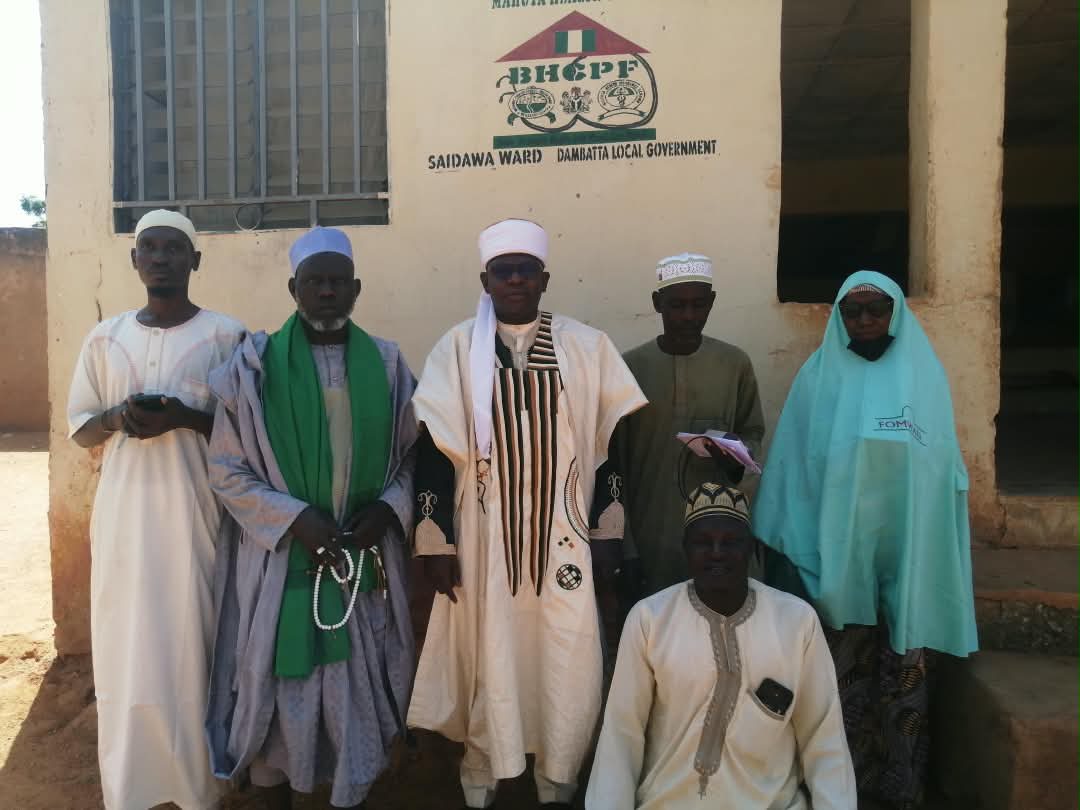
These teams bring together traditional and religious leaders, women and youth representatives, community-based organisations, Ward Development Committees, persons with disabilities and citizen journalists. They monitor health facilities, identify service delivery gaps, engage local authorities and follow up on commitments made to improve healthcare.
Originally planned for 50 LGAs during the initial implementation phase, the LHAAT initiative expanded significantly following strong demand from communities. By October 2026, teams had been established in 118 of the 145 target LGAs, representing 81% coverage. Seventy-five teams were regularly submitting reports, exceeding the project’s initial functionality threshold of 73 LGAs.
“Communities are no longer just recipients of health interventions; they are becoming active participants in shaping and demanding better services.”
Community spotlight
Their work is already producing tangible results.
Four communities, four stories of change
Binji LGA, Sokoto State: a community-led effort raised ₦70,000 to restore water supply to a health facility.
Bagudo LGA, Kebbi State: LHAAT advocacy contributed to resolving three facility-level challenges, including the recruitment of three Community Health Extension Workers at PHC Lafagu and repairs at PHC Kaliel.
Goronyo LGA, Sokoto State: the Local Government Chairperson committed to providing the LHAAT with ₦200,000 monthly to support its activities.
Libata Ward, Ngaski LGA, Kebbi State: advocacy by community structures contributed to Three Crown Gold Mining Company completing an abandoned primary healthcare facility.
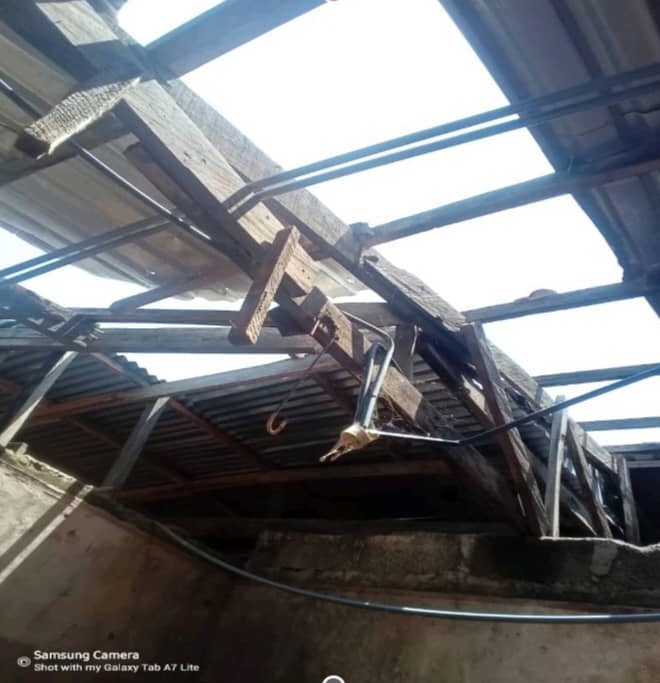
Before

After
These examples illustrate the value of organised community engagement. Rather than waiting for problems to escalate, residents are increasingly identifying service delivery gaps, engaging decision-makers and following through on solutions.
By October 2026, LHAATs had conducted 2,581 facility assessments across 115 LGAs, generating evidence to inform local advocacy and government responses.
The project is also strengthening the voices of traditional and religious leaders. During the reporting period, 41 traditional leaders and 30 religious leaders received orientation on promoting child health, immunisation and prompt care-seeking. In Kaduna, five cases of vaccine hesitancy were resolved in September through the involvement of community leaders.
This is an important shift: communities are no longer just recipients of health interventions; they are becoming active participants in shaping and demanding better services.
Strengthening the health workforce and addressing facility-level gaps
A functional primary healthcare system depends on more than infrastructure and commodities. It requires skilled, motivated and adequately distributed health workers.
ICSA’s facility assessments identified significant workforce gaps across the five states. In response, the project has used evidence from communities and health facilities to engage government authorities on recruitment, deployment, retention and staff welfare.
In Kaduna, 1,800 health workers were recruited, with approval for an additional 1,800 by the end of 2026. The State Primary Health Care Board also committed to equitable deployment, prioritising qualified volunteers. In addition, arrears were paid to 5,100 community volunteers.
In Katsina, Mani LGA recruited 40 health workers and engaged four locum doctors.
In Kebbi, Gwandu and Ngaski LGAs recruited 12 Community Health Extension Workers and committed to doubling volunteer allowances from ₦5,000 to ₦10,000 monthly. Three additional CHEWs were deployed in Bagudo.
In Sokoto, government commitments included more than 300 midwives, while approximately 170 women were sponsored for community midwifery training.
These developments demonstrate how community-generated evidence and structured advocacy can help bring workforce challenges to the attention of decision-makers and encourage practical responses.
Using technology and evidence to improve last-mile healthcare delivery
Technology is another important component of ICSA’s approach. The project recognises that better decisions require reliable data, while effective immunisation delivery depends on maintaining vaccine quality throughout the cold chain.
Rather than creating a parallel data reporting system, ICSA aligned its digital approach with the Federal Ministry of Health’s national Electronic Medical Records (EMR) strategy and the District Health Information System (DHIS2).
The project has also developed a CommCare monitoring tool to support community-level reporting and facility assessments. In September, the first monthly Health Facility Monitoring Dashboard was produced, providing information that can be filtered from state level down to individual health facilities. This is an important step towards improving visibility of service delivery gaps and supporting evidence-informed decision-making.
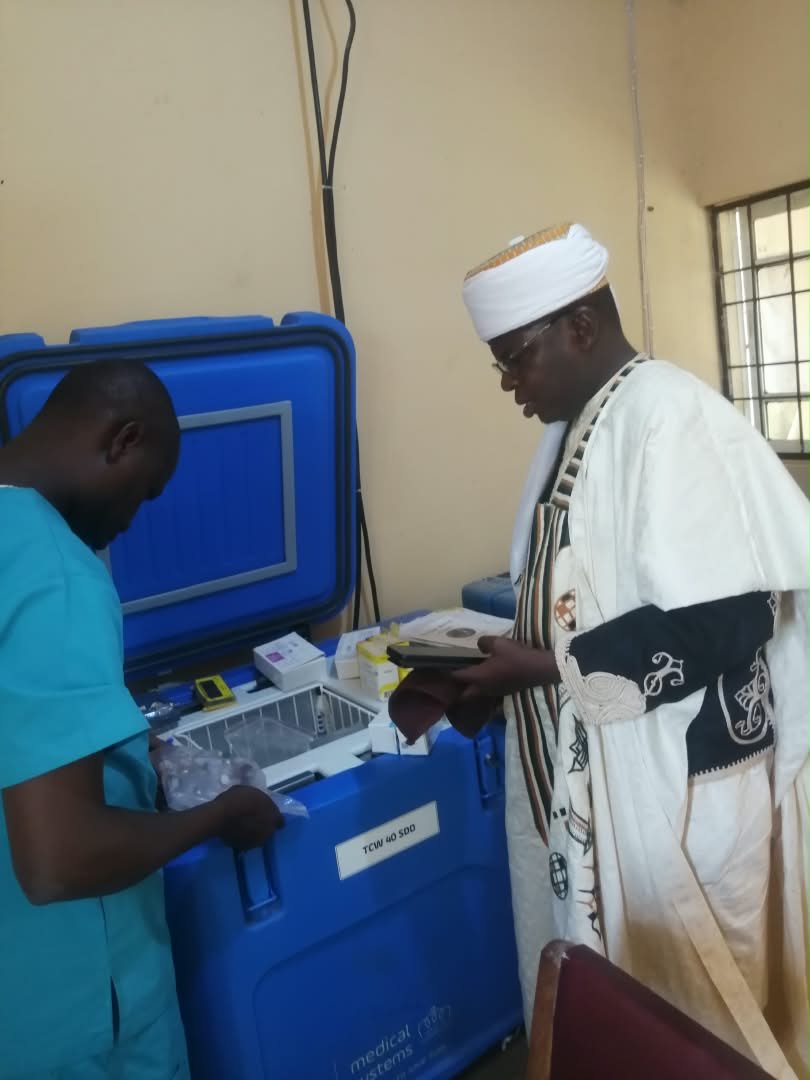
The project also recorded progress with Emvolio, an innovative portable vaccine refrigerator designed to maintain vaccine potency during last-mile delivery.
In September 2026, an Emvolio unit was deployed at Yola Primary Healthcare Centre in Karaye LGA, Kano State. State and LGA cold-chain officers, routine immunisation officers and facility heads received training on its use.
The Kano State Government has expressed interest in deploying an additional 500 units with support from E-health. Potential deployment sites have also been identified in Katsina and Sokoto, while the Kebbi State Commissioner for Health requested a brief on the costs and benefits of adopting the technology.
These developments demonstrate the potential for locally driven innovation to address persistent challenges in vaccine storage, transportation and delivery, particularly in communities with unreliable electricity.
Building a culture of learning and knowledge sharing
Beyond direct implementation, ICSA is investing in knowledge generation and peer learning to ensure that evidence and experience inform health policy and practice.
The ICSA Learning Series was launched on 24 June 2026 through the Federal Ministry of Health’s SPiCE platform. By September, eight sessions focusing on newborn care had been recorded, attracting 1,886 registrations.
In addition, a strategic analysis of the SARMAAN I findings was shared with the Federal Ministry of Health, the Nigerian Institute of Medical Research, Sightsavers, the Gates Foundation, WHO and UNICEF. These knowledge products are helping document community experiences, highlight implementation challenges and provide evidence for policy dialogue.
The project is also preparing for cross-state learning exchanges with Osun to encourage knowledge sharing and adaptation of effective approaches.
“The success of advocacy is measured not just by commitments made, but by changes experienced at the point of care.”
Looking ahead: Turning early gains into sustainable results
One year into implementation, ICSA has established important foundations for strengthening child survival interventions across its five implementation states.
The project has secured political endorsements for increased domestic health financing, supported the integration of child-survival priorities into government operational plans, expanded community accountability structures, contributed to health workforce improvements and introduced digital innovations to strengthen last-mile service delivery.
However, the journey is far from complete. Translating financing commitments into verified releases, ensuring that integrated services are consistently available at health facilities, addressing persistent commodity and workforce gaps, and strengthening the use of digital data for decision-making remain priorities.
The next phase will therefore focus on consolidating these gains, strengthening government ownership and ensuring that advocacy commitments translate into measurable improvements at the point of care.
Ultimately, the success of ICSA will not be measured only by the number of meetings held, teams established or policies endorsed, but by whether a mother can access quality antenatal care, whether a child receives every recommended vaccine, whether essential malaria medicines are available when needed and whether communities can hold their health systems accountable.
Because every child deserves a healthy start, every mother deserves quality care, and every community deserves a health system that works.
ICSA is demonstrating that when governments are equipped with evidence, communities are empowered to demand accountability and health systems are strengthened from the grassroots, lasting improvements in maternal and child health become achievable.
About ICSA
The Integrated Child Survival Immunisation Advocacy at the Last Mile (ICSA) Project is led by C-WINS with consortium partners ACOMIN and NANA Girls, with support from the Gates Foundation.
Was this page useful to you?
Your answer is anonymous and helps us decide what to publish next.
Thank you. Your feedback helps us improve our news and articles.