PUBLIC HEALTH ALERT | EBOLA (BUNDIBUGYO VIRUS) | NIGERIA
One confirmed case is a warning to act, not a reason to panic. Every Nigerian has a role to play in preventing further spread.
Video: Watch Dr Pate’s announcement (Sahara TV)
It starts with one decision
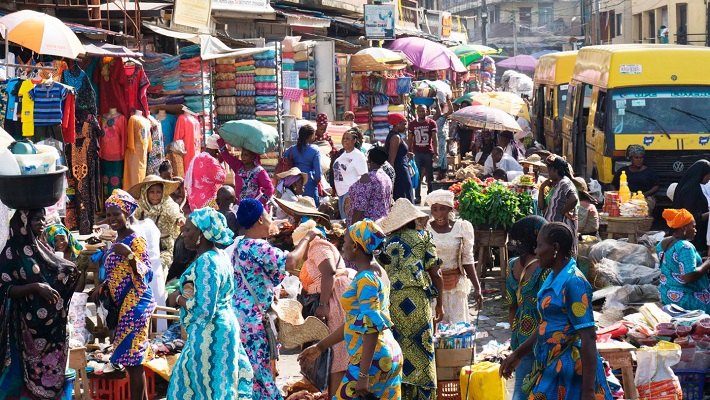
Imagine a typical busy community in Nigeria: children playing outside, traders selling food in the market, families sharing meals, neighbours greeting one another. Then news breaks that Nigeria has confirmed an Ebola case in the Federal Capital Territory (FCT), Abuja.
On 20 October 2026, health authorities confirmed a Bundibugyo Ebola virus infection in a woman who had recently travelled from Uganda to Abuja. She remains isolated under medical care, and the Nigeria Centre for Disease Control and Prevention (NCDC) has expanded contact tracing to monitor 53 primary contacts, including 44 healthcare workers. As of late October, all identified contacts remain asymptomatic, and the Federal Government reports no evidence of community transmission as containment and surveillance continue.
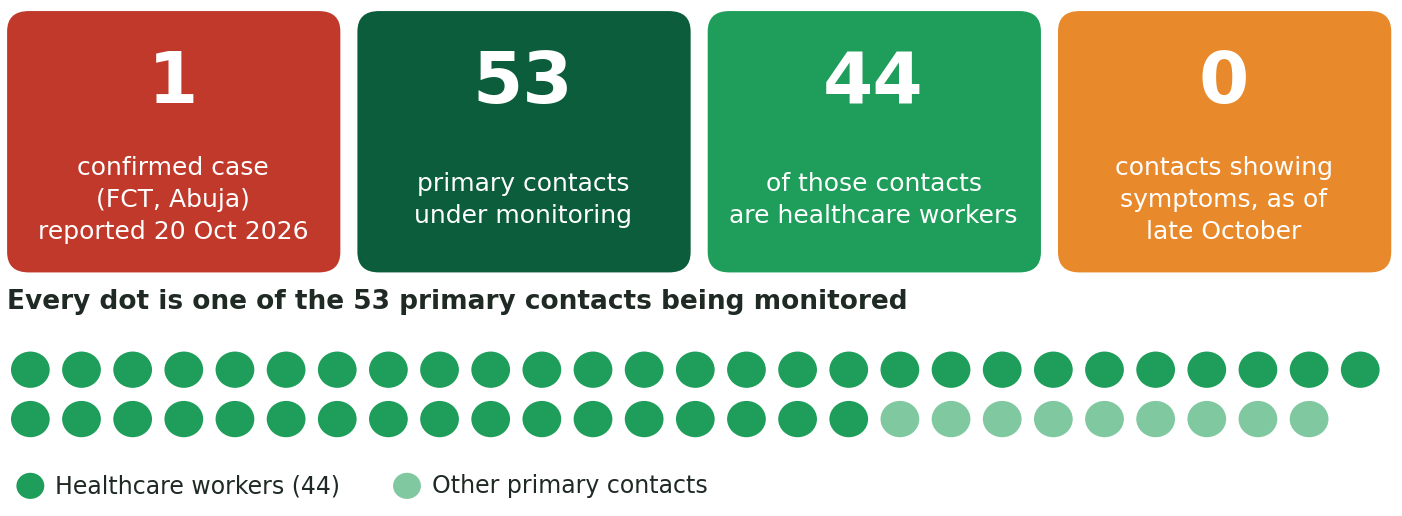
This is a moment to stay calm, remain alert and protect one another. One confirmed case does not mean a nationwide outbreak has occurred, but allowing an infection to spread unnoticed could put many more lives at risk.
What is Ebola, and how does it spread?
Ebola is a serious disease caused by a virus; the current outbreak involves the Bundibugyo virus, a type of Ebola virus. It can cause severe illness and death, although early medical care and appropriate treatment can improve a patient’s chances of survival. Think of infection as a chain: if the virus passes from person to person, the chain grows. If the chain is identified quickly and further contact is prevented, the spread can be stopped.
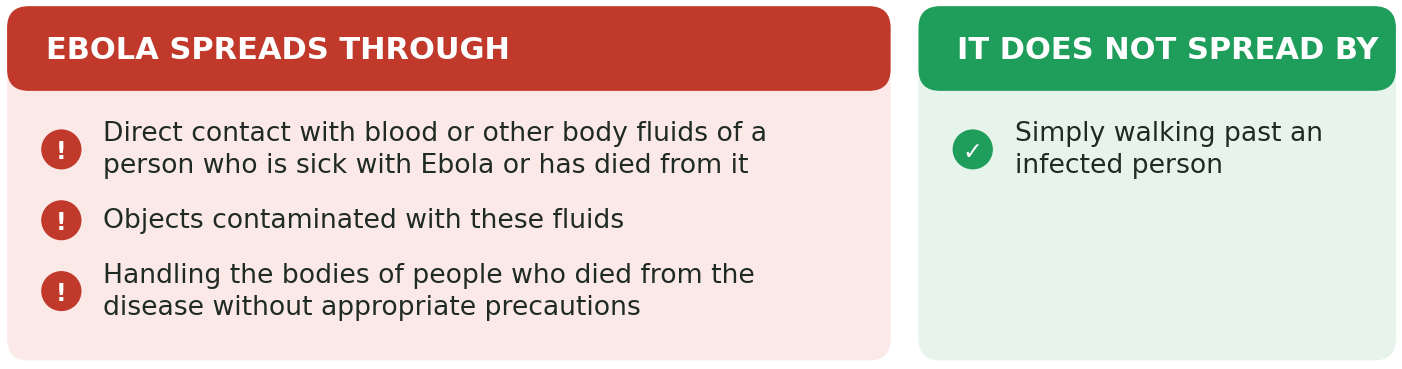
Imagine sharing a bowl of water with someone who has an infectious wound: if contaminated fluid enters the body through broken skin, the eyes, nose or mouth, infection may occur. This is why caring for a sick person without proper protection is dangerous. Families and communities must allow trained health teams to manage suspected cases and arrange safe, dignified burials.
Know the signs. Act early.
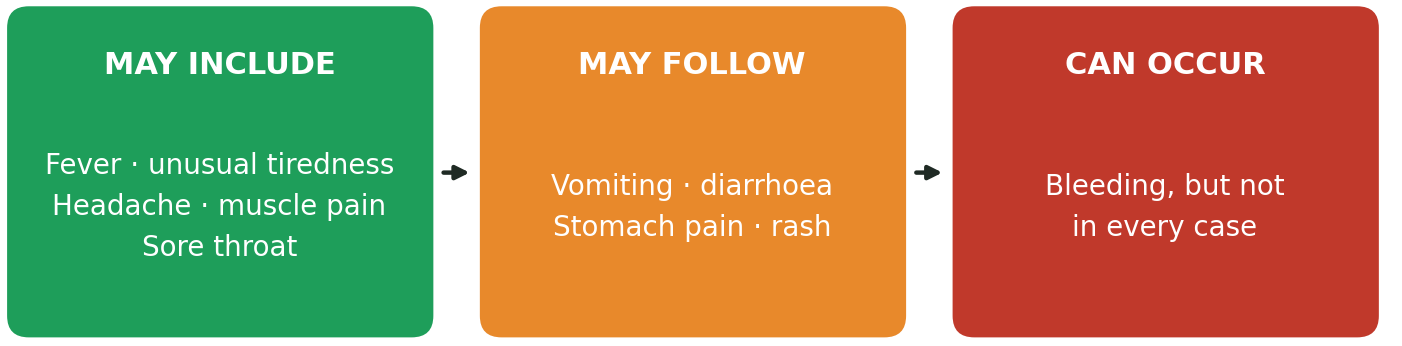
These symptoms can resemble malaria and other illnesses, so a fever does not automatically mean Ebola. However, anyone who develops compatible symptoms after possible exposure or relevant travel should seek immediate guidance from health authorities. Do not hide symptoms, self-medicate or wait until the illness becomes severe. Contact the appropriate health authority, follow instructions on where and how to receive care, and avoid close physical contact with others while awaiting guidance.
Your hands can help break the chain
Wash your hands thoroughly with soap and clean running water: after using the toilet, before preparing or eating food, after caring for someone who is ill, and whenever your hands are dirty. Use an alcohol-based hand rub when appropriate and when hands are not visibly dirty. Do not share items contaminated with a sick person’s body fluids, avoid touching blood, vomit or other body fluids without proper protection, and never handle a suspected Ebola victim’s body yourself.
Protecting Nigeria is everyone’s business
Report a concern or get guidance
Follow updates from the NCDC, the Federal Ministry of Health and Social Welfare, and your State Ministry of Health. To report a concern, call the NCDC toll-free line: 6232, and follow official instructions.
Nigeria has contained Ebola before. But past success is not a reason for complacency; it is a reminder that early detection, effective public health systems and community cooperation matter. At the market, at home, in the office, in schools and in health facilities, every responsible action counts.
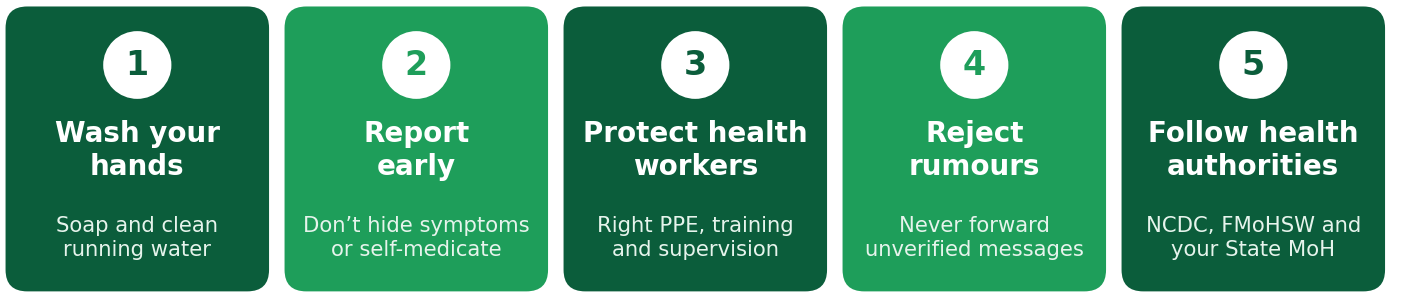
One person’s responsibility can protect an entire community.
Wash your hands. Report early. Protect health workers. Reject rumours. Follow health authorities.
Was this page useful to you?
Your answer is anonymous and helps us decide what to publish next.
Thank you. Your feedback helps us improve our news and articles.