Diphtheria Resurgence Puts Immunisation Gaps in Focus
Nigeria continues to face a significant diphtheria challenge, highlighting persistent gaps in routine immunisation and the importance of reaching children and communities that remain underserved.
According to the Nigeria Centre for Disease Control and Prevention’s latest available Weekly Epidemiological Report, Nigeria recorded 12,977 suspected diphtheria cases, 10,476 confirmed cases and 406 deaths in 2026, representing a case fatality ratio of 3.1 per cent. During Epidemiological Week 32 alone, 131 suspected cases were reported from 18 Local Government Areas across six states, including 74 confirmed cases and 11 deaths. (Nigeria Centre for Disease Control)
More recent NCDC reporting identified Kano, Kaduna, Katsina, Borno, Bauchi, Plateau, Sokoto and Zamfara as accounting for the overwhelming majority of confirmed cases. The Federal Capital Territory has also recently reported confirmed cases.
Immunisation gaps remain a concern
The outbreak is occurring against a backdrop of significant differences in routine immunisation coverage.
Findings from the Nigeria Mini-DHS 2025–26 show that among children aged 12–23 months, Penta-3 coverage was 54.6 percent in Kano and 43.9 percent in Katsina. In the same age group, 36.8 percent of children in Kano and 45.7 percent in Katsina had received no vaccinations.
The rural-urban difference is equally important. Nationally, 37.1 percent of children aged 12–23 months in rural areas had received no vaccinations, compared with 18.0 percent in urban areas. The rural proportion was therefore more than twice as high.
These figures demonstrate why national or state averages alone may not tell the complete story. Communities with large numbers of unvaccinated children can remain vulnerable to outbreaks even when overall vaccination coverage improves.
Intensifying the response
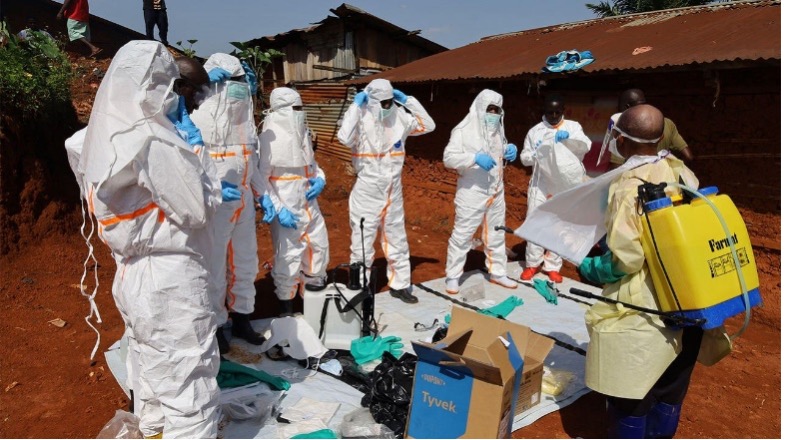
Government response has combined vaccination, surveillance, treatment, active case search and community mobilisation, with particular attention to affected communities in Kano and Katsina.
In Katsina, intensified vaccination activities reached 150,346 people within five days. Local evidence from Rano LGA in Kano further demonstrates the importance of vaccination and early care-seeking. Among reviewed 2026 cases, 94 percent were unvaccinated, 91 percent presented late and 88 percent were identified through active community case search.
The figures reinforce an important lesson: emergency vaccination can help contain immediate transmission, but outbreak response cannot substitute for a strong routine immunisation system.
Beyond emergency response
Sustainable progress requires ensuring that children receive routine vaccinations before an outbreak occurs. It also requires communities to recognise symptoms early, seek care promptly and have confidence in the health system.
The challenge is therefore not only to measure the number of doses delivered during an emergency response, but to determine whether those efforts result in higher routine coverage, fewer unvaccinated children, earlier detection and stronger community trust.
Diphtheria is a reminder that where a child lives can still influence whether that child receives essential preventive health services. Closing those gaps is critical to preventing future outbreaks and protecting every child. Source: Nigeria Centre for Disease Control and Prevention; Nigeria Mini-DHS 2025–26.