The Integrated Child Survival Advocacy (ICSA) Programme is C-WINS’ flagship child survival initiative, implemented with NANA Girls and ACOMIN from November 2025 to November 2027 across Kaduna, Kano, Katsina, Kebbi and Sokoto States. The programme is focused on strengthening Primary Health Care financing, service delivery, community accountability and health system performance across 145 LGAs.
At the heart of ICSA is a simple principle: communities should have a stronger voice in identifying the health challenges affecting them and in holding decision-makers accountable for addressing those challenges.
Through Local Health Accountability Action Teams (LHAATs), communities identify gaps in health services, generate evidence and engage government officials and other stakeholders to advocate for practical solutions. So far, 95 of the 145 project LGAs have established LHAATs.
The approach is already contributing to measurable improvements in health financing. Six LGAs are meeting the programme’s financing threshold: Igabi in Kaduna; Ajingi, Dambatta and Tarauni in Kano; and Kusada and Sandamu in Katsina.
Advocacy has also helped unlock resources for frontline services. In Kaduna State, ₦65 million was released for maternal, newborn and child health services, alongside outstanding payments to 5,100 community volunteers. In Sokoto State, approximately ₦2.6 million was unlocked for PHC needs, including repairs to solar refrigerators and the procurement of delivery beds. In Kebbi State, health insurance payments to PHCs resumed, restoring free services for children under five and pregnant women.
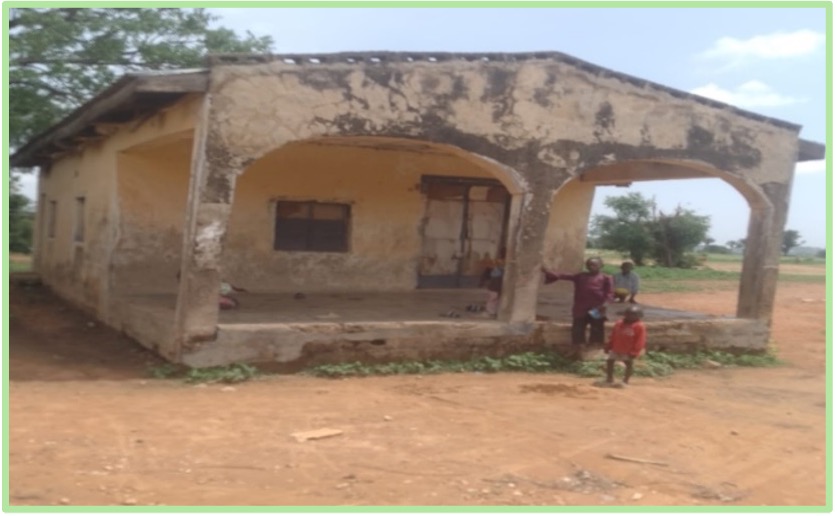
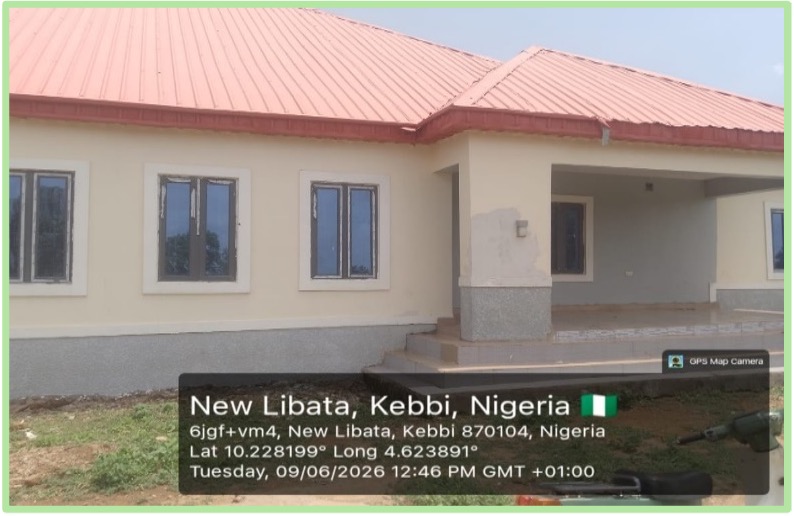
A particularly visible example of advocacy translating into action can be seen in Libata Ward, Ngaski LGA, Kebbi State. Advocacy by the LHAAT helped mobilise private-sector support for the revitalisation of Libata Ward Primary Health Care Centre. Three Crown Gold Mining Company committed to equip and hand over the renovated facility, demonstrating how community-led advocacy can attract additional resources to improve access to essential health services.
Beyond financing and infrastructure, service utilisation is also improving. Integrated PHC contacts increased from 137,980 in June to 168,106 in July 2026. Routine immunisation contacts increased by 47%, while antenatal care contacts rose by 19%. Among 247 facilities assessed, 69 were providing all four tracked integrated service areas: maternal, newborn and child health, malaria, nutrition and routine immunisation.
There is still work to be done. Health worker shortages remain a challenge, while delays in documenting and verifying financing commitments at LGA level can slow progress. These gaps are helping shape the next phase of implementation.
As ICSA continues, C-WINS and its partners will focus on strengthening sustainable PHC financing, improving integrated services and ensuring that communities have a meaningful role in holding the health system accountable.
The emerging lesson is clear: when communities have evidence, decision-makers are engaged, and resources reach the frontline, advocacy can translate into better health services for children, mothers and families.
| WHAT THIS MEANS: ICSA is demonstrating how community evidence, government commitment and targeted advocacy can translate into better PHC services. As implementation continues, the focus will remain on sustainable health financing, improved services and stronger community accountability. |