02 | Oral Health & Primary Healthcare
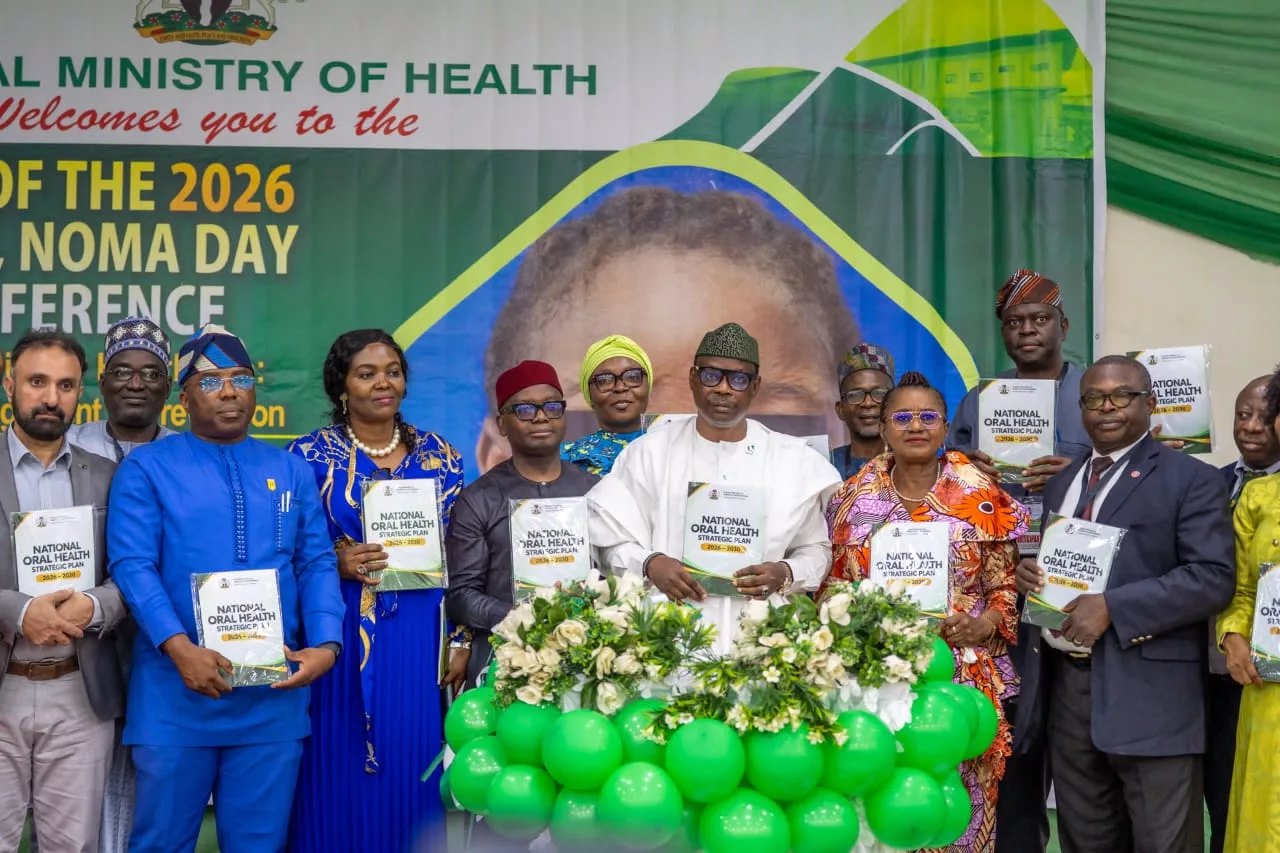
Oral health is an essential part of overall health and well-being, yet access to preventive and treatment services remains limited for many Nigerians. Recognising the scale of this challenge, the Federal Government has launched the National Oral Health Strategic Plan 2026–2030, establishing a five-year framework to strengthen oral healthcare delivery and improve access to essential services.
The plan was officially launched on 9 November 2026 in Abuja during the commemoration of National Noma Day and National Oral Health Day. The event was attended by government officials, healthcare professionals and development partners, with the Federal Government reaffirming its commitment to making oral healthcare an integral part of the country’s health system.
The scale of the challenge is significant. According to figures presented by the Federal Ministry of Health and Social Welfare, more than 80 per cent of Nigerians have never visited a dentist, while approximately two out of every three children live with untreated dental caries. Nigeria’s dentist-to-population ratio is estimated at about one dentist to 38,000 people, considerably below the World Health Organization’s recommended ratio of one to 7,500.
Oral health in Nigeria
These figures point to persistent barriers, including limited availability of oral health professionals, inadequate access to dental facilities, low awareness of preventive practices and the cost of treatment. For many people, oral health problems are only addressed when pain or complications become severe, even though several common conditions can be prevented or managed through early intervention.
The new strategic plan seeks to address these gaps by strengthening the integration of oral healthcare into Primary Health Care (PHC). This approach is particularly important because PHC facilities are often the first point of contact between communities and the formal health system. Equipping frontline health workers to provide basic oral health education, identify warning signs and facilitate timely referrals can help bring essential services closer to underserved populations.
The strategy also prioritises preventive interventions, school-based oral health programmes, access to fluoride toothpaste, sugar-reduction initiatives and stronger referral systems. It places emphasis on building the capacity and improving the distribution of oral health personnel, including dental therapists and dental surgery technicians, while strengthening oral health infrastructure across the country.
A major focus of the plan is the prevention and elimination of Noma as a public health problem. Noma is a severe and rapidly progressing disease that primarily affects vulnerable children, particularly those experiencing malnutrition and poor living conditions. Without early treatment, it can result in severe facial disfigurement, disability and death. Strengthening community awareness, early detection and referral through PHC facilities is therefore essential.
The Federal Government has also disclosed that the five-year strategy is estimated to require approximately ₦70 billion for implementation. Its success will depend on sustained financing, effective coordination between federal and state governments, and the active participation of professional associations, development partners and communities.
For states and local governments, the next step will be to translate the national strategy into practical implementation plans that respond to local needs and improve access to services.
The launch represents an important policy commitment, but its real value will be determined by how effectively it is implemented. Integrating oral health into routine primary healthcare, strengthening preventive services and ensuring that affordable treatment is accessible to more Nigerians will be essential to making oral healthcare a recognised component of universal health coverage.
Was this page useful to you?
Your answer is anonymous and helps us decide what to publish next.
Thank you. Your feedback helps us improve our news and articles.