05 | ICSA Project Update
Access to quality primary healthcare depends not only on the availability of healthcare workers and essential medicines, but also on the condition of the facilities where services are provided. Adequate infrastructure, functional equipment and reliable electricity are important requirements for creating a safe and supportive environment for healthcare delivery.
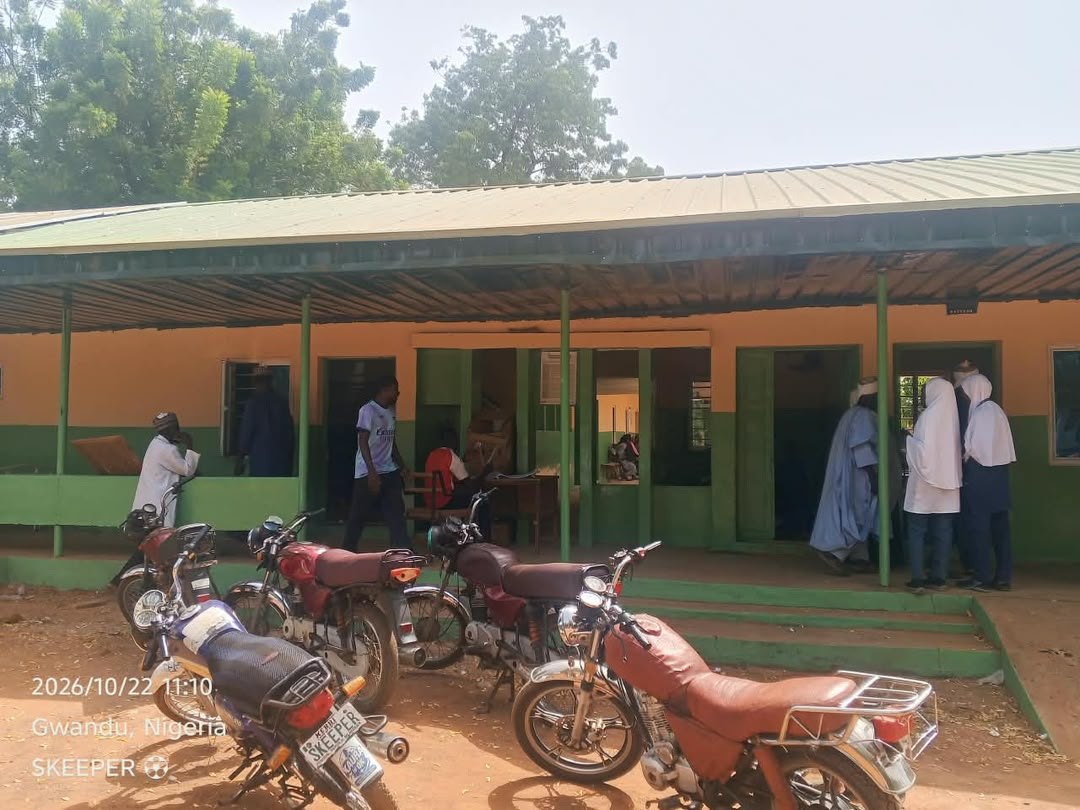
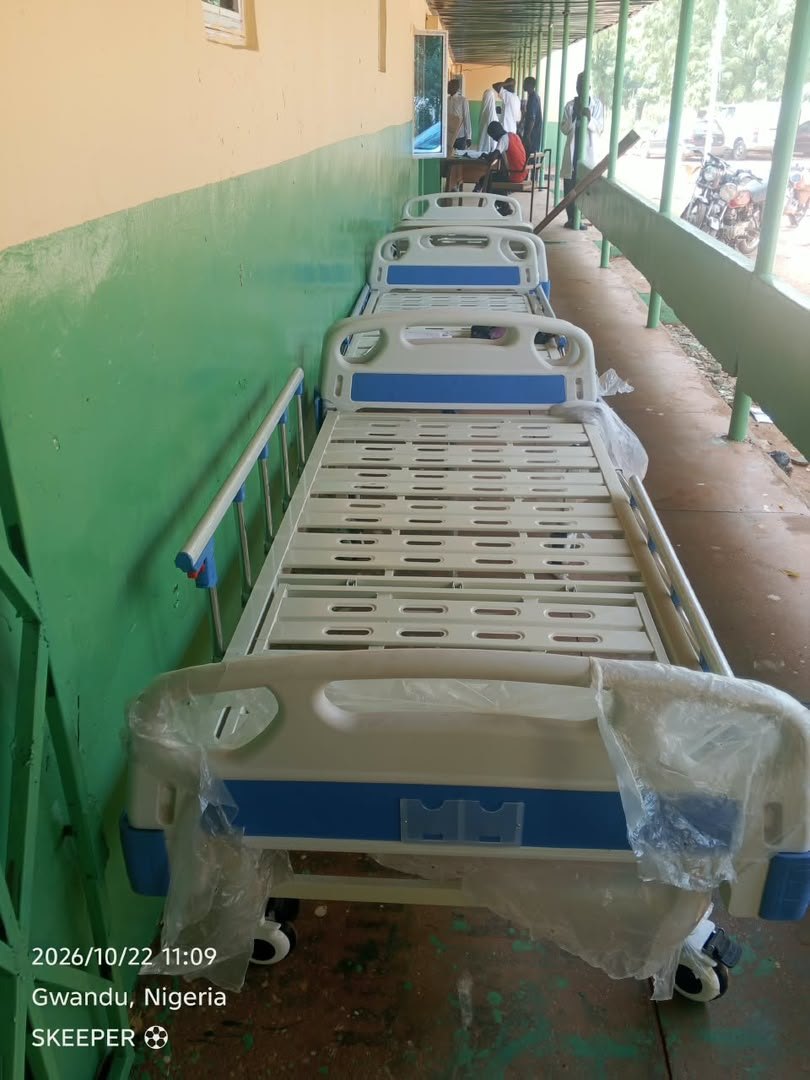
In Gwandu Local Government Area of Kebbi State, improvements at the Primary Healthcare Centre (PHC Gwandu), including renovation works, the provision of new beds and the installation of solar power, are supporting efforts to strengthen the facility’s infrastructure.
The intervention was facilitated through community-led advocacy and accountability efforts under the Integrated Child Survival Immunisation Advocacy at the Last Mile (ICSA) Project, with Local Health Advocacy and Accountability Teams (LHAATs) playing an important role in identifying and drawing attention to gaps affecting primary healthcare facilities.
The ICSA Project is a two-year initiative led by the Centre for Well-being and Integrated Nutrition Solutions (C-WINS), in partnership with ACOMIN and NANA Girls. It is being implemented across 145 Local Government Areas in Kaduna, Kano, Katsina, Kebbi and Sokoto States, with a focus on strengthening primary healthcare financing, service delivery, community accountability and health system performance.
At the centre of the project is the principle that communities should have a meaningful role in identifying challenges affecting their health facilities and engaging relevant authorities to address them. Through LHAATs, community representatives conduct facility assessments, document service delivery gaps and use the evidence generated to advocate for practical improvements.
The improvements at PHC Gwandu demonstrate the importance of this approach. Renovation works are helping to create a more conducive environment for healthcare workers and patients, while the provision of new beds supports the facility’s physical infrastructure. The installation of solar power also provides an alternative source of electricity to support essential health services, particularly where consistent power supply is a challenge.
Reliable electricity is important for several aspects of primary healthcare, including lighting, the use of medical equipment and the delivery of services that depend on a stable power supply. Solar installations can therefore contribute to improved facility functionality, although their long-term value depends on proper maintenance and effective use.
Beyond the physical improvements, the intervention highlights the importance of connecting community-generated evidence with action from relevant health authorities. When communities can identify service delivery gaps, document them and engage decision-makers constructively, they can contribute to more responsive and accountable health systems.
However, infrastructure improvements must be accompanied by sustained attention to other essential requirements, including adequate staffing, essential medicines, functional equipment, regular maintenance and sufficient operational financing. These elements are necessary to ensure that improved facilities translate into better access to quality healthcare.
For C-WINS and its partners, the ICSA Project continues to demonstrate how community participation and evidence-based advocacy can contribute to strengthening primary healthcare delivery. The improvements at PHC Gwandu represent an important step towards creating a more supportive environment for healthcare workers and the communities they serve.
Ultimately, the goal is not simply to improve health facilities, but to ensure that mothers, children and other community members can access reliable, responsive and quality primary healthcare services when they need them.
Was this page useful to you?
Your answer is anonymous and helps us decide what to publish next.
Thank you. Your feedback helps us improve our news and articles.