04 | Nutrition & Non-Communicable Diseases
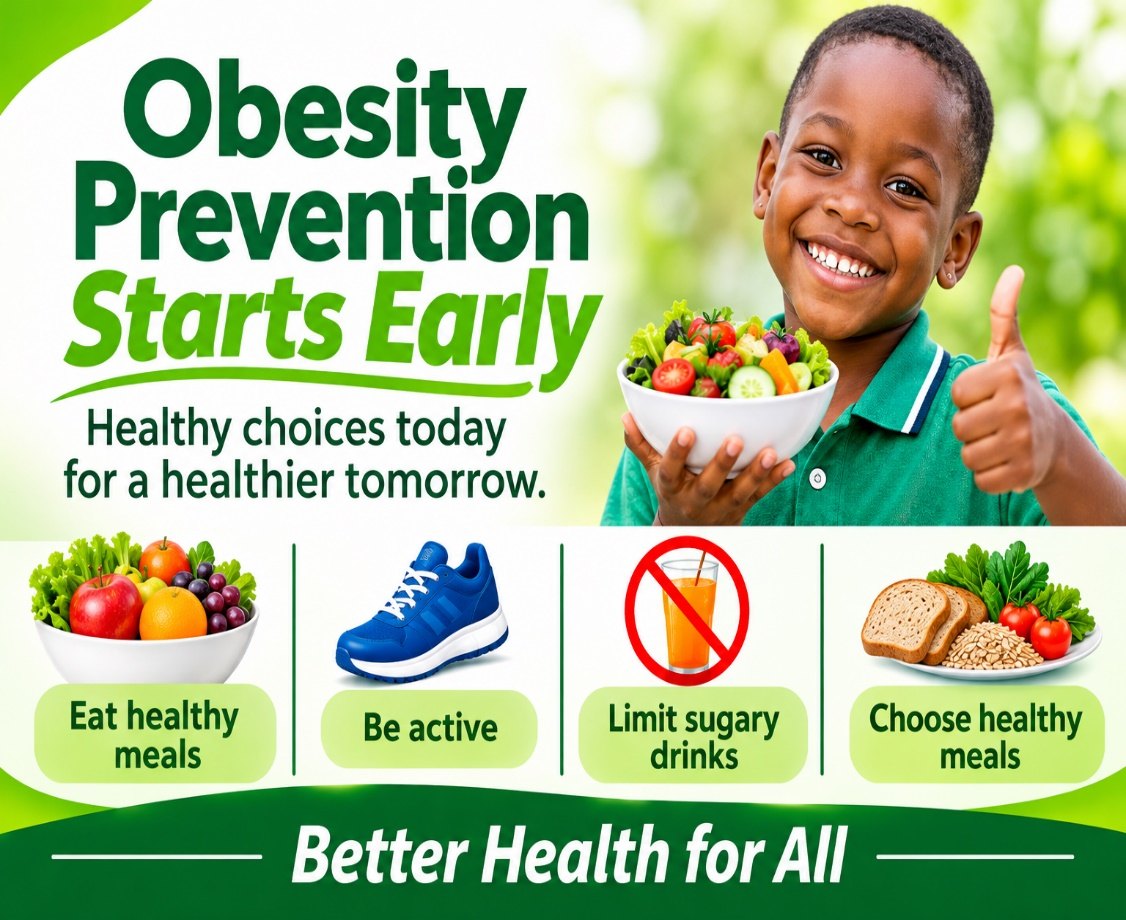
Obesity has become one of the most significant public health challenges of our time, affecting people across age groups and income settings. Its growing prevalence is increasing the burden of non-communicable diseases (NCDs), including type 2 diabetes, cardiovascular diseases and some cancers, while placing additional pressure on health systems.
On 17 November 2026, the World Health Organization (WHO) and the United Nations Children’s Fund (UNICEF) launched a global call to action titled “Bending the Curve by 2030”, bringing together Spain and 20 other governments to accelerate efforts to prevent and manage obesity.
The initiative comes amid growing concern that more than one billion people worldwide are living with obesity. WHO reports that obesity affects approximately one in seven people globally, with prevalence among adults more than doubling since 1990 and quadrupling among adolescents.
Obesity in numbers
Of particular concern is the changing pattern of malnutrition among children and young people. In 2025, obesity overtook underweight as the most common form of malnutrition among children and adolescents aged 5–19 years for the first time. This development highlights the need for nutrition policies that address the full spectrum of malnutrition, including undernutrition, overweight and obesity.
The global call to action encourages participating governments to accelerate prevention, early intervention and access to appropriate care, with a commitment to reducing national obesity prevalence by 5 per cent by 2030. It recognises that obesity cannot be addressed through individual behaviour change alone. The environments in which people live, learn, work and access food significantly influence their dietary choices and physical activity.
The recommended interventions include promoting breastfeeding and appropriate complementary feeding, creating healthier school food environments, improving access to nutritious foods, introducing taxes on sugar-sweetened beverages, strengthening front-of-pack nutrition labelling and restricting the marketing of unhealthy foods to children.
The initiative also emphasises the importance of making physical activity easier and integrating obesity prevention and care into primary healthcare services. Early identification and support for people at increased risk can help prevent complications and improve long-term health outcomes.
For Nigeria, these developments are particularly relevant. The country continues to face the double burden of malnutrition, with undernutrition and micronutrient deficiencies coexisting alongside increasing overweight and obesity. This calls for a comprehensive nutrition response that recognises the different nutritional challenges affecting children, adolescents and adults.
Addressing obesity requires coordinated action across health, education, agriculture, food regulation and urban planning. Schools can promote healthier food choices and physical activity, while government policies can help create food environments that make nutritious options more accessible and affordable. Healthcare providers also have a role in offering appropriate nutrition counselling, screening and early intervention.
Importantly, obesity should not be reduced to an issue of personal discipline or appearance. It is a complex, chronic health condition influenced by biological, social, economic and environmental factors. Effective responses must therefore combine supportive environments with accessible, evidence-based healthcare.
Although Nigeria was not among the governments listed as joining the November 2026 global call to action, the initiative offers useful policy direction for strengthening national efforts to prevent and manage obesity.
The broader message is that improving nutrition outcomes requires more than encouraging individuals to make healthier choices. It also requires policies and systems that make those choices possible.
Was this page useful to you?
Your answer is anonymous and helps us decide what to publish next.
Thank you. Your feedback helps us improve our news and articles.