Project
The project aimed to enrol 20,000 participants from the informal sector into the Bauchi State Contributory Health Management Scheme. However, it achieved only 0.85% of this target, enrolling 182 individuals. Challenges included a lack of familiarity with health insurance among the target population, financial constraints, scepticism about the scheme’s sustainability, and inadequate capacity of BASHCMA, the health insurance agency in Bauchi.
Project Objectives
1. Increasing the number of informal sector enrollees
2. Implementing a workable informal sector enrollment plan.
3. Strengthening the capacity of BASHCMA on informal sector enrolment, marketing, and communication strategies.
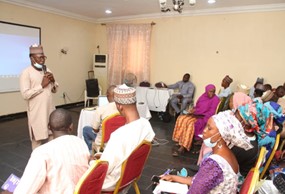
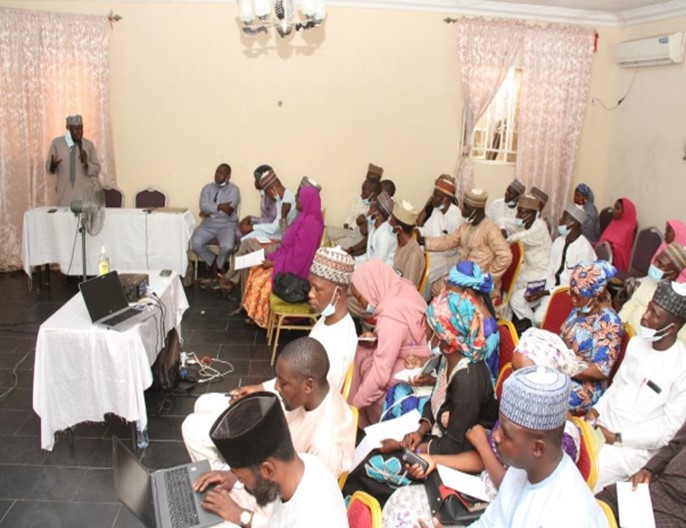
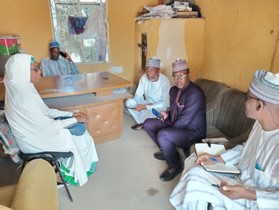
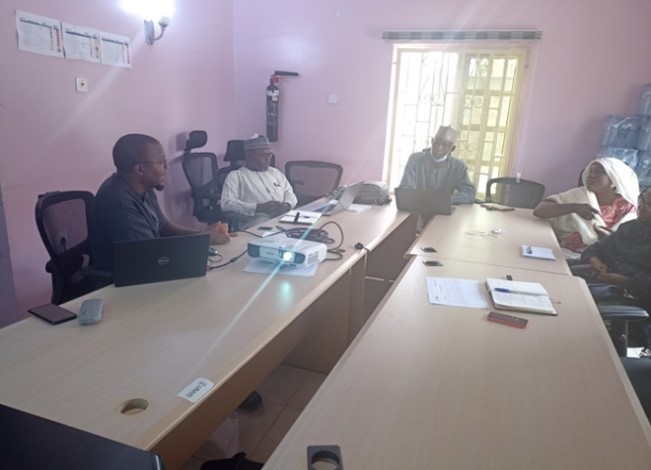
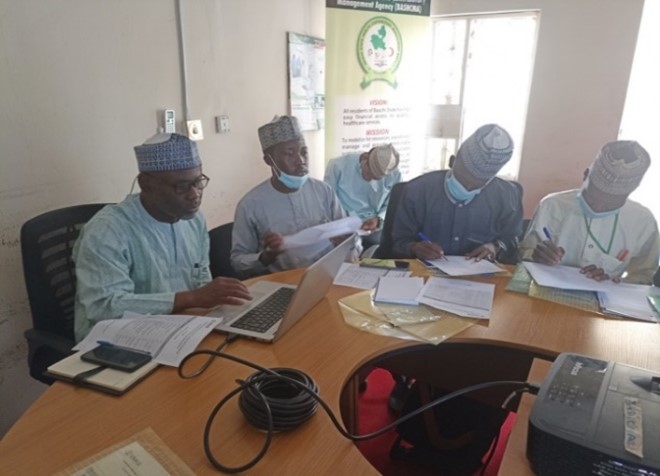
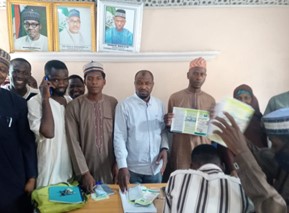
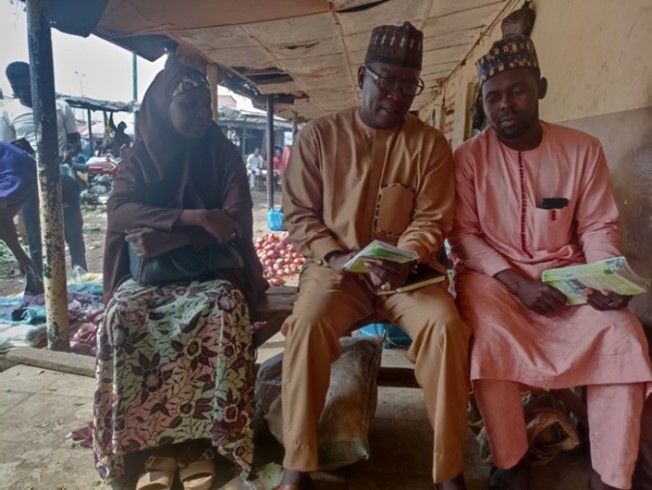
The project developed and executed a marketing strategy, engaging with local associations, airing radio jingles, and holding sensitization rallies. Key activities included training marketers and “enrolee champions,” setting up a project office and holding meetings with key stakeholders.
The project had limited success, achieving a 35% increase in enrolment within 40 days following intensified communication efforts. Engagements with associations and media outings were effective in creating awareness. The capacity building of stakeholders was a notable achievement despite the overall low enrolment figures.
Major challenges included:
Solutions attempted included the development of a marketing strategy, engagement with local leaders and associations, and media campaigns. However, these efforts were insufficient to overcome the barriers fully.
The successful implementation of health insurance expansion into informal sectors necessitates a strategic approach grounded in deep community engagement and innovative financial solutions to overcome enrolment barriers. Key strategies include building strong relationships with community leaders to advocate for the project, tailoring engagement efforts to align with local cultures and economic realities, and developing financial models that address the specific constraints of potential enrollees. Additionally, enhancing the capacity of local agencies, utilizing a diverse mix of media for awareness, and maintaining a flexible implementation plan are essential. Leveraging technology for efficient enrollment, incentivizing participation, and ensuring the sustainability of the scheme form the cornerstone of a robust health insurance expansion project. These insights form a comprehensive knowledge transfer framework for organizations aiming to replicate or adapt this project in similar contexts, emphasizing the importance of adaptability, community-centric approaches, and continuous learning in achieving broader health insurance coverage among underserved populations.
Talk to us about research, advocacy and programme delivery in health and nutrition.