The successful close-out of the Measles-Rubella Vaccine Introduction Advocacy Project marks an important milestone for C-WINS and its commitment to strengthening immunisation and Primary Health Care in Nigeria.
Through sustained national advocacy, stakeholder engagement and community mobilisation, C-WINS helped create an enabling environment for the introduction of the Measles-Rubella vaccine. The nationwide campaign ultimately reached more than 102 million children, recording 95% administrative coverage and 89% national coverage through the Post Campaign Coverage Survey.
Reaching children with vaccines, however, requires more than the availability of vaccines. Public confidence, political commitment, trusted leadership and community participation are equally important.
C-WINS therefore worked with government institutions, traditional and religious leaders, civil society organisations, professional associations, the media and communities to strengthen support for immunisation and increase demand for vaccination. The approach combined political advocacy, community engagement and culturally appropriate communication to ensure that messages reached communities through people and institutions they trusted.
One of the strongest lessons from the project was the importance of trusted voices, community ownership and coordinated partnerships in sustaining immunisation gains beyond individual vaccination campaigns.
That lesson has informed two important sustainability platforms.
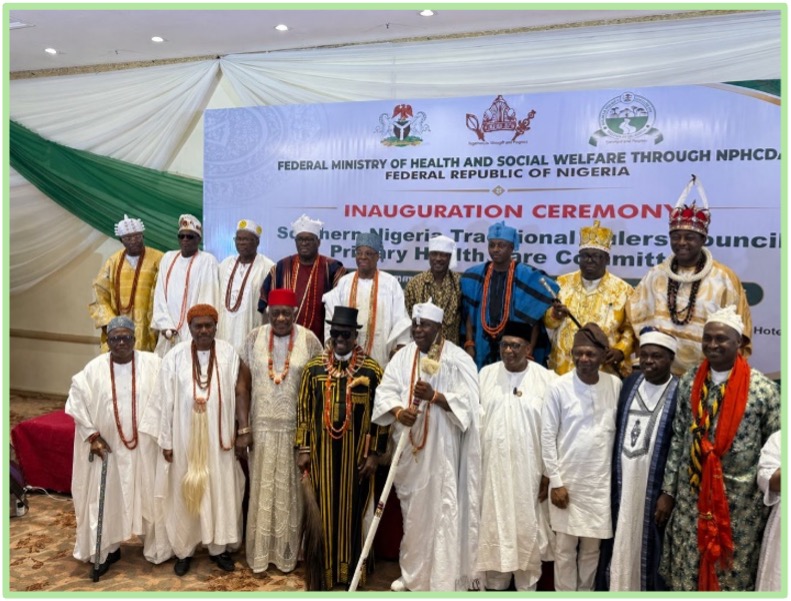
The first is the Southern Nigeria Traditional Rulers Committee on Primary Health Care (SNTRC-PHC), inaugurated on 28 April 2026. The Committee brings traditional rulers from the 17 southern states together under a coordinated platform to support PHC advocacy, immunisation, community mobilisation, demand generation, countering misinformation and accountability.
Traditional institutions remain highly influential in shaping community attitudes and behaviours. By creating a platform through which traditional rulers can work collectively on health priorities, the initiative provides an opportunity to sustain community engagement well beyond the life of the MR project.
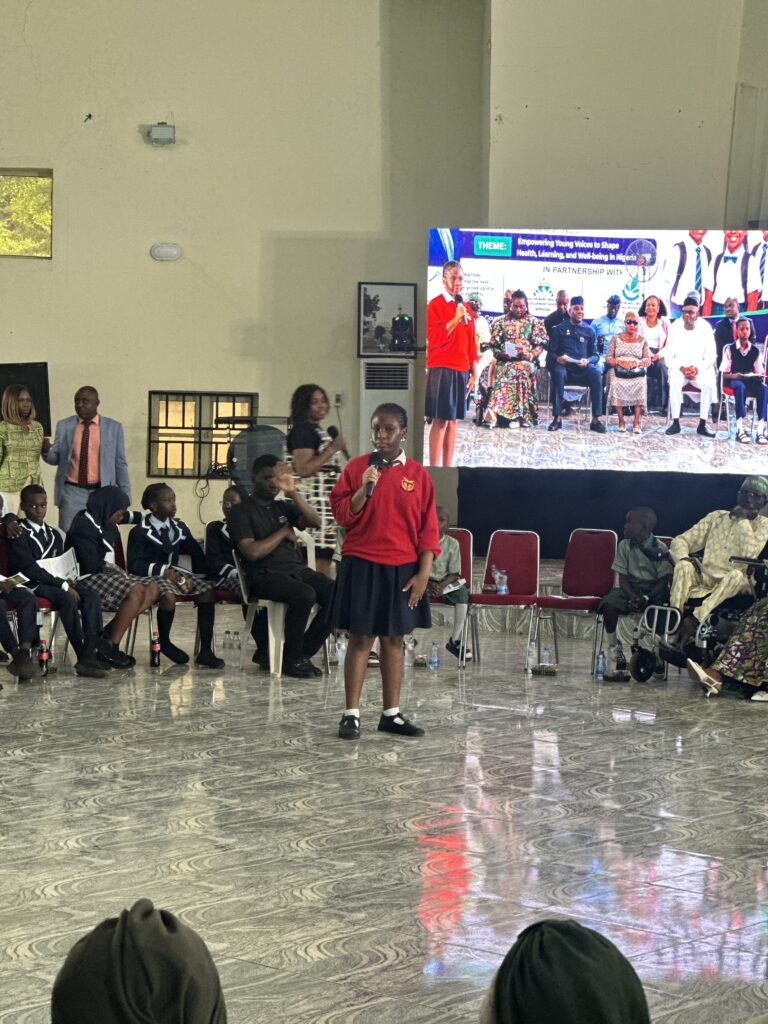
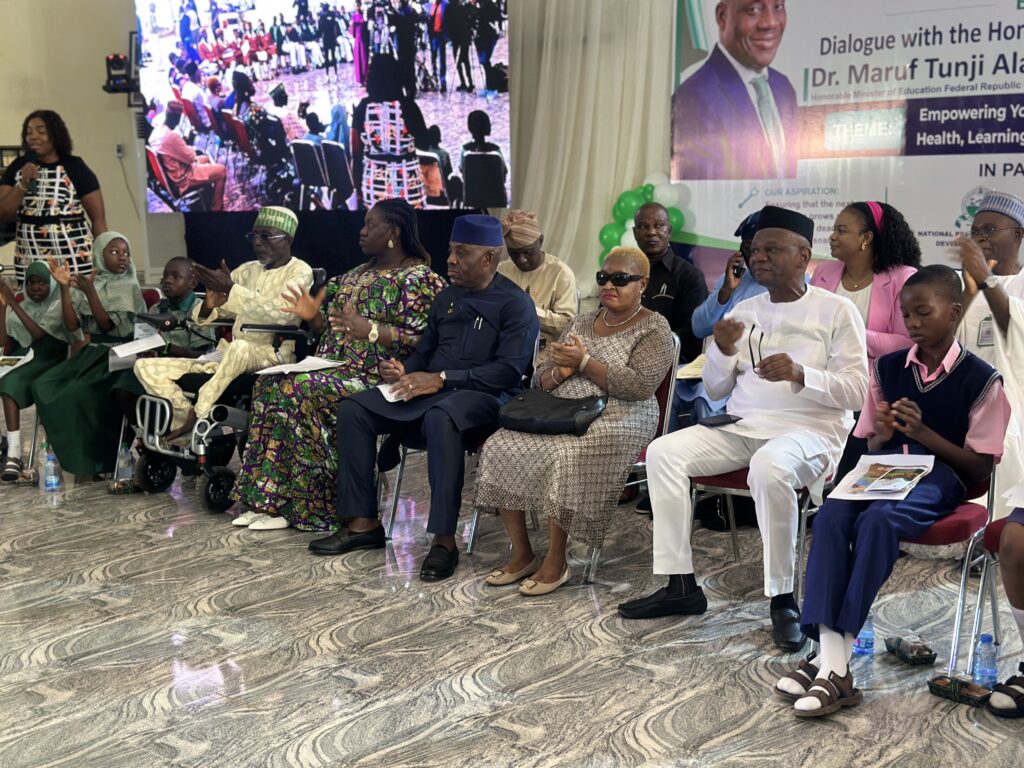
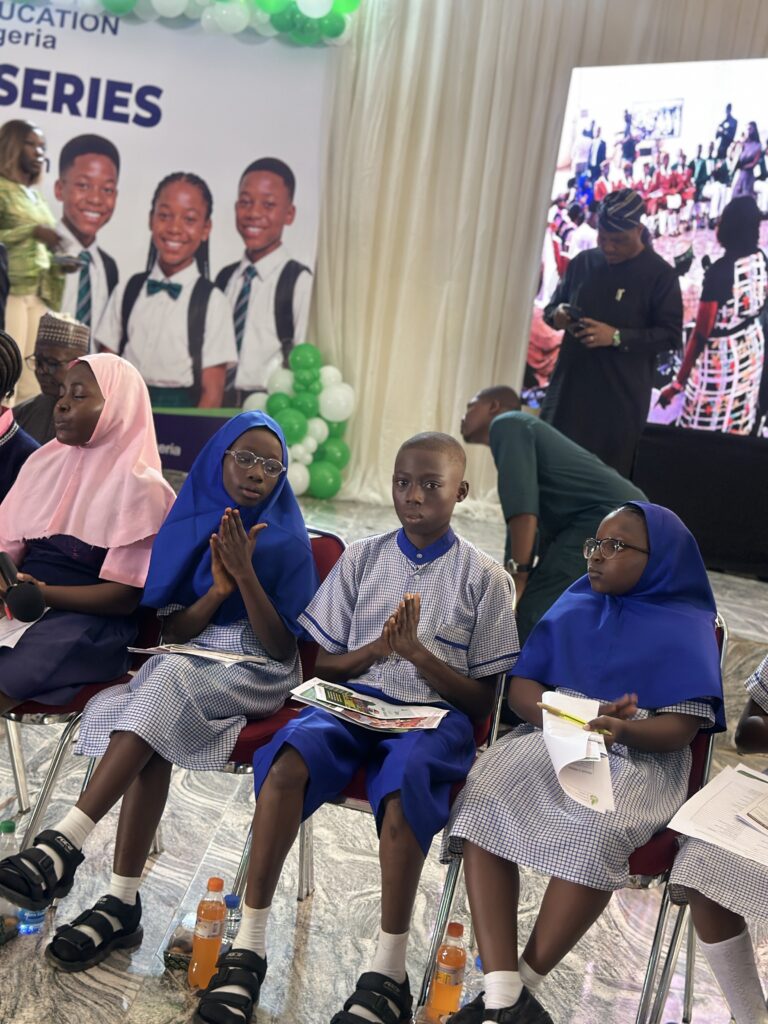
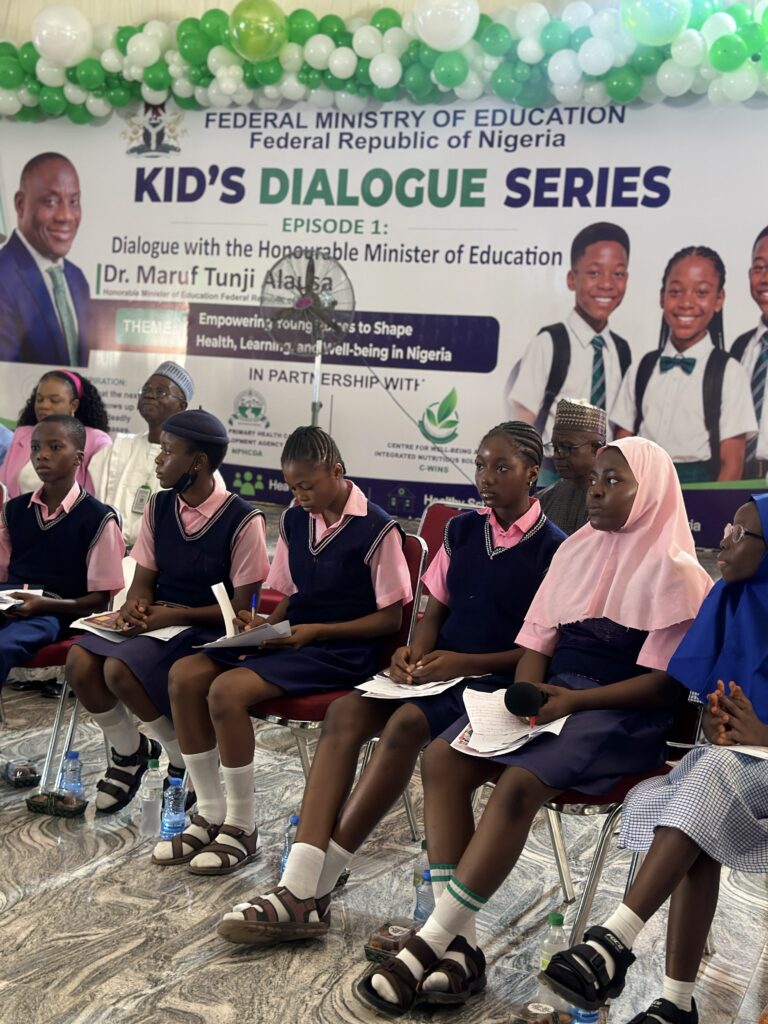
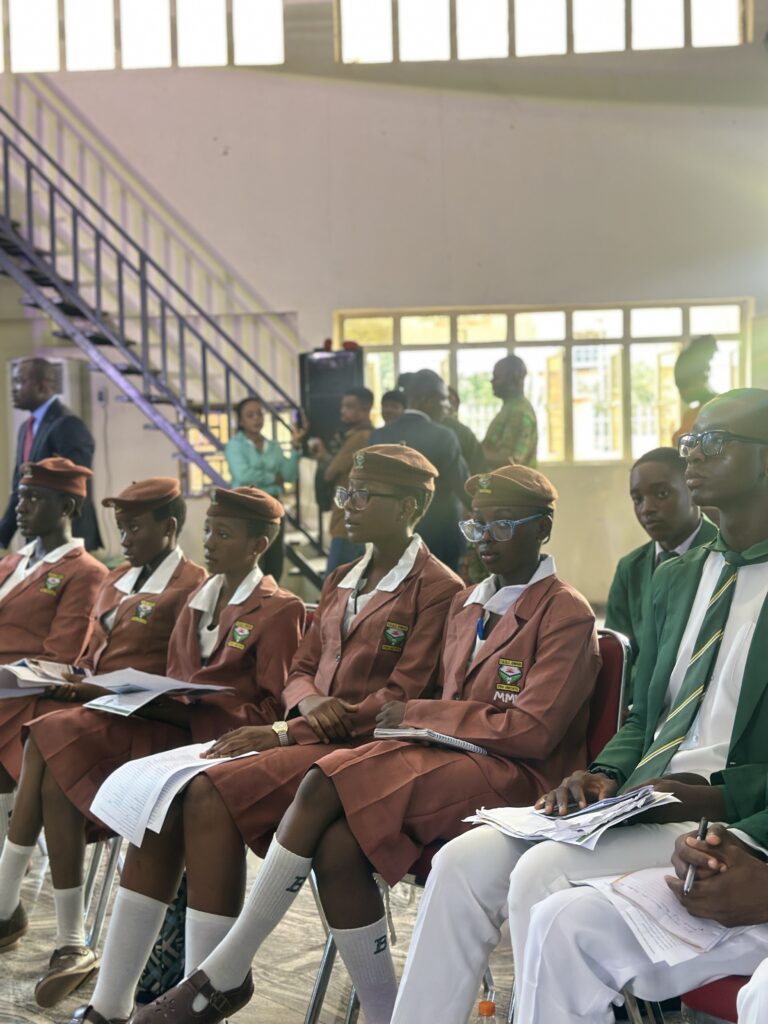
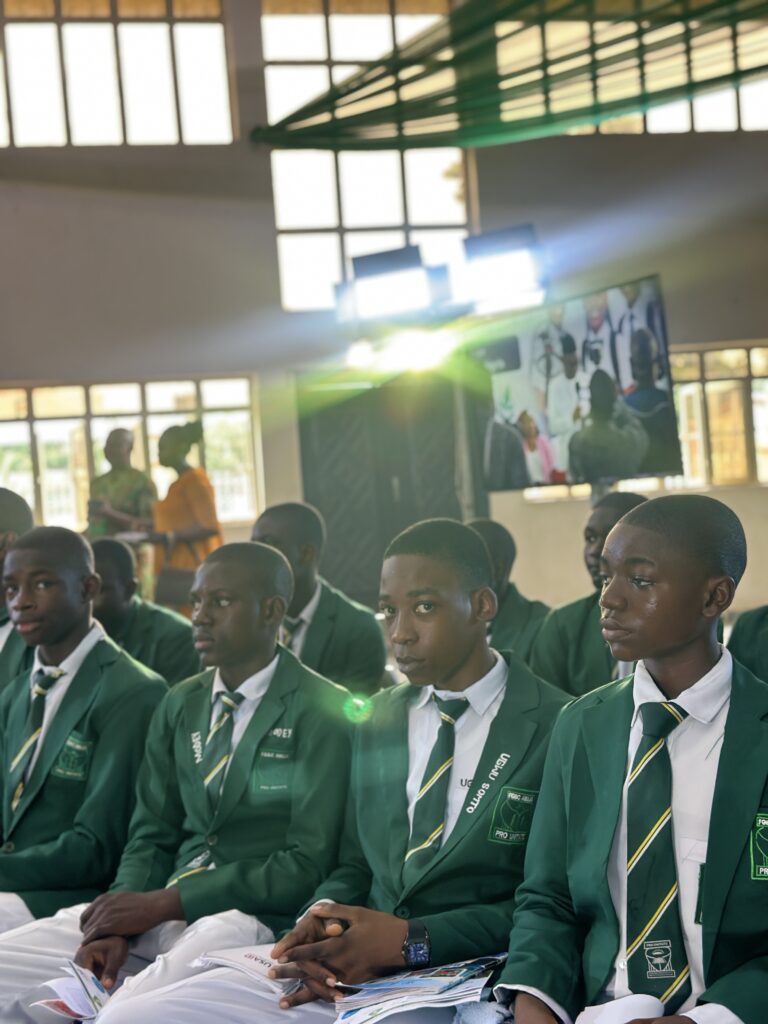
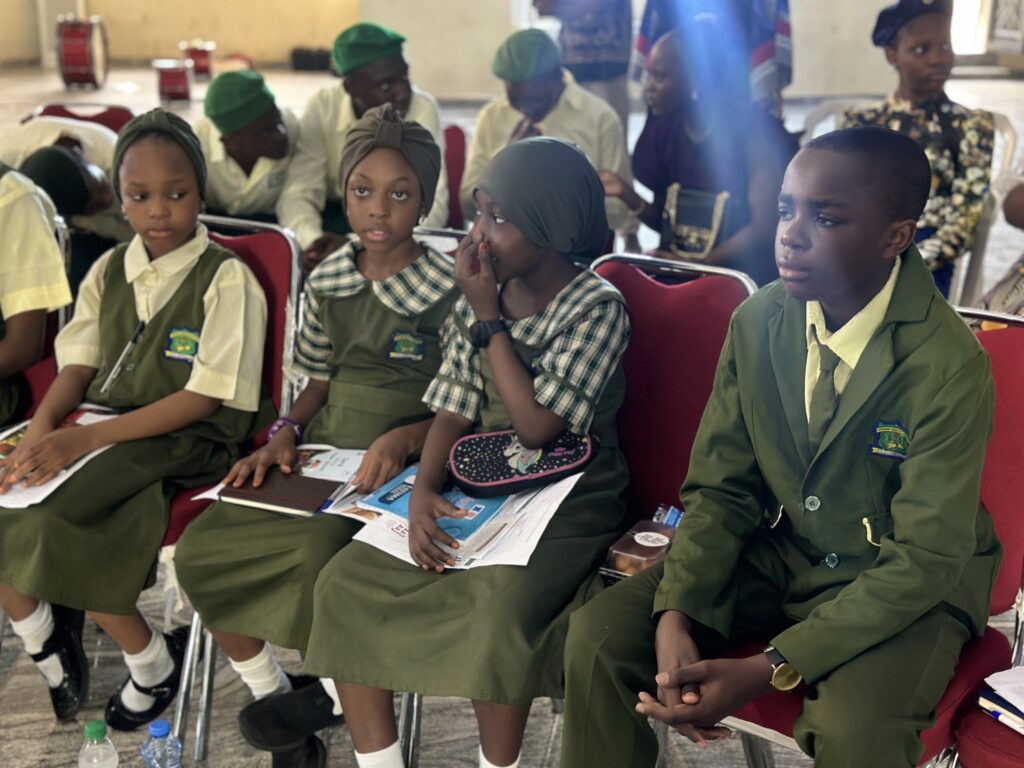
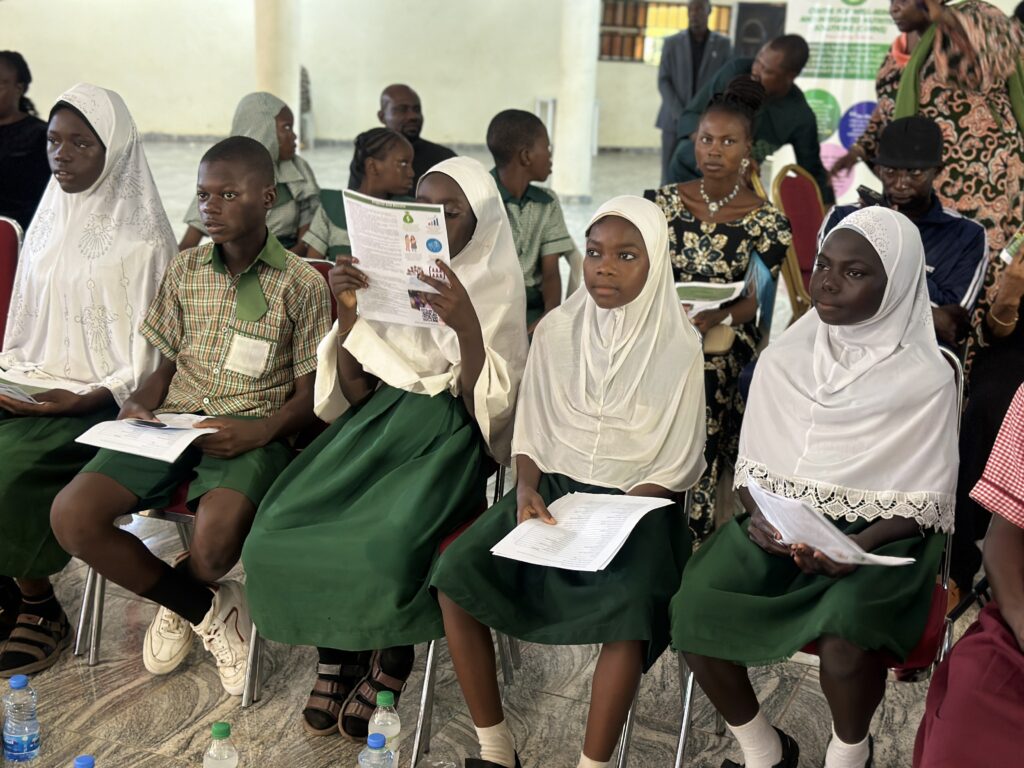
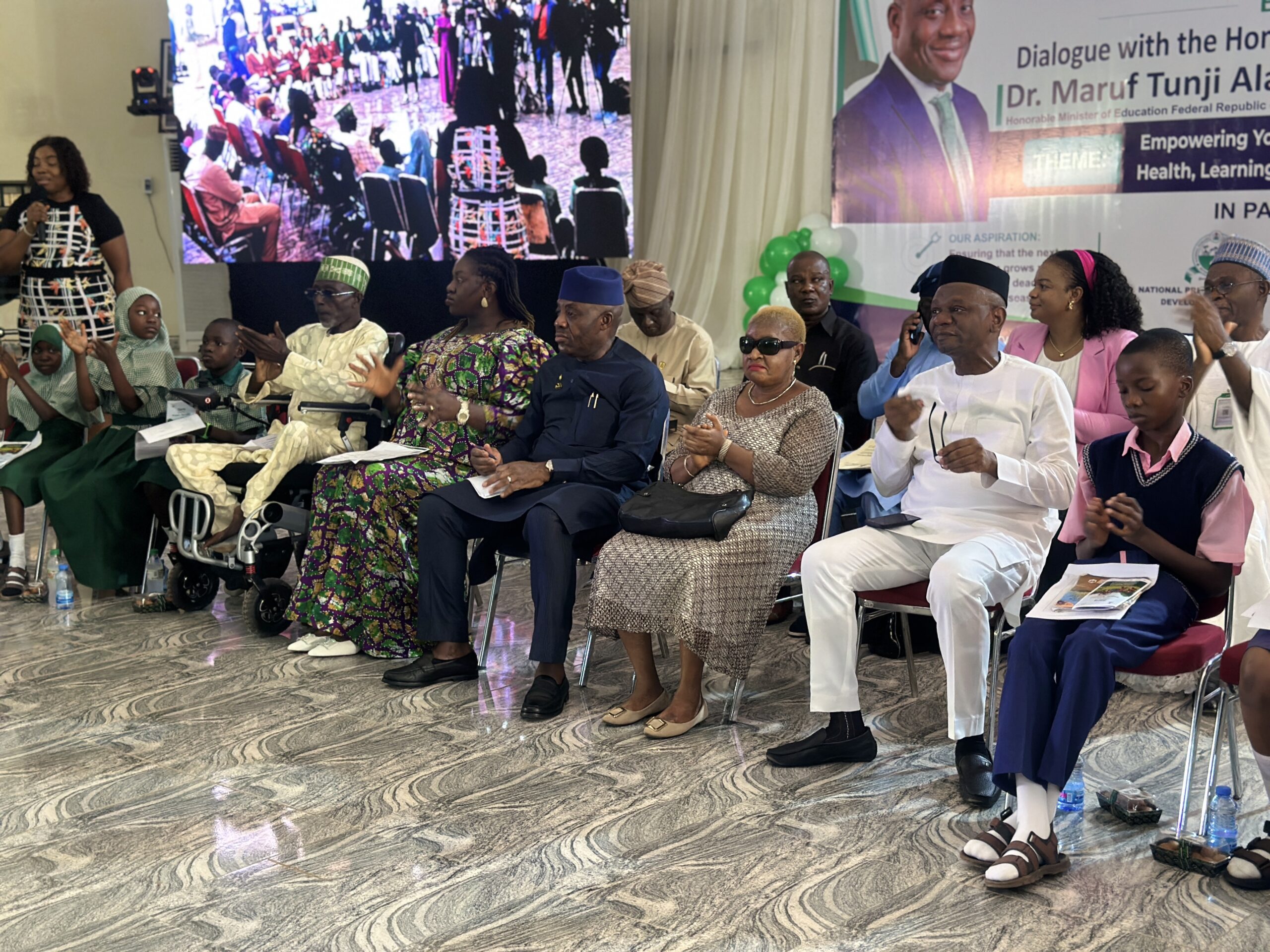
The second legacy is the Kid’s Dialogue, launched on 10 June 2026. The initiative creates a platform for children to engage directly with health and education leaders on issues including immunisation, Primary Health Care, nutrition, hygiene and healthy living.
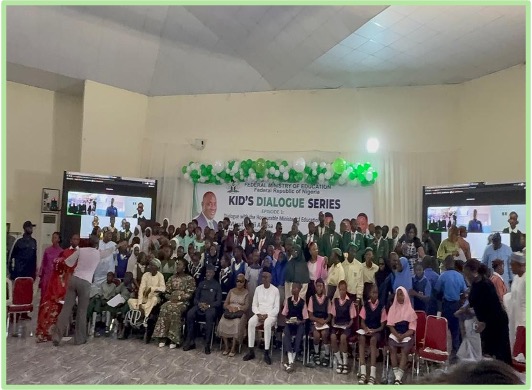
Rather than viewing children only as beneficiaries of health programmes, the Kid’s Dialogue positions them as participants in conversations about their own wellbeing and as potential advocates for healthy behaviours within their schools, families and communities.
The initiative has since been adopted by the Federal Ministry of Education as a school-based health sensitisation and immunisation advocacy platform for implementation across the 36 states and the Federal Capital Territory.
Together, these two platforms demonstrate an important shift from short-term campaign activity towards sustainable institutions and community-owned solutions.
For C-WINS, the legacy of the MR Vaccine Introduction Advocacy Project is therefore measured not only by the more than 102 million children vaccinated, but also by the structures, partnerships and voices that can continue supporting immunisation and Primary Health Care.
The next opportunity is to build on these platforms, strengthen their capacity and ensure that traditional leaders, children, communities and government institutions continue working together to increase confidence in immunisation and improve health outcomes across Nigeria.