Five Years, One Promise: Inside C-WINS’ Practice and Learning Celebration
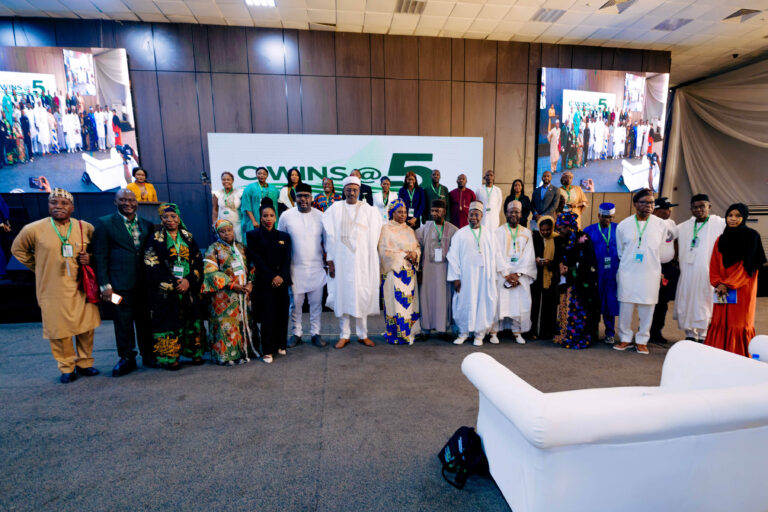
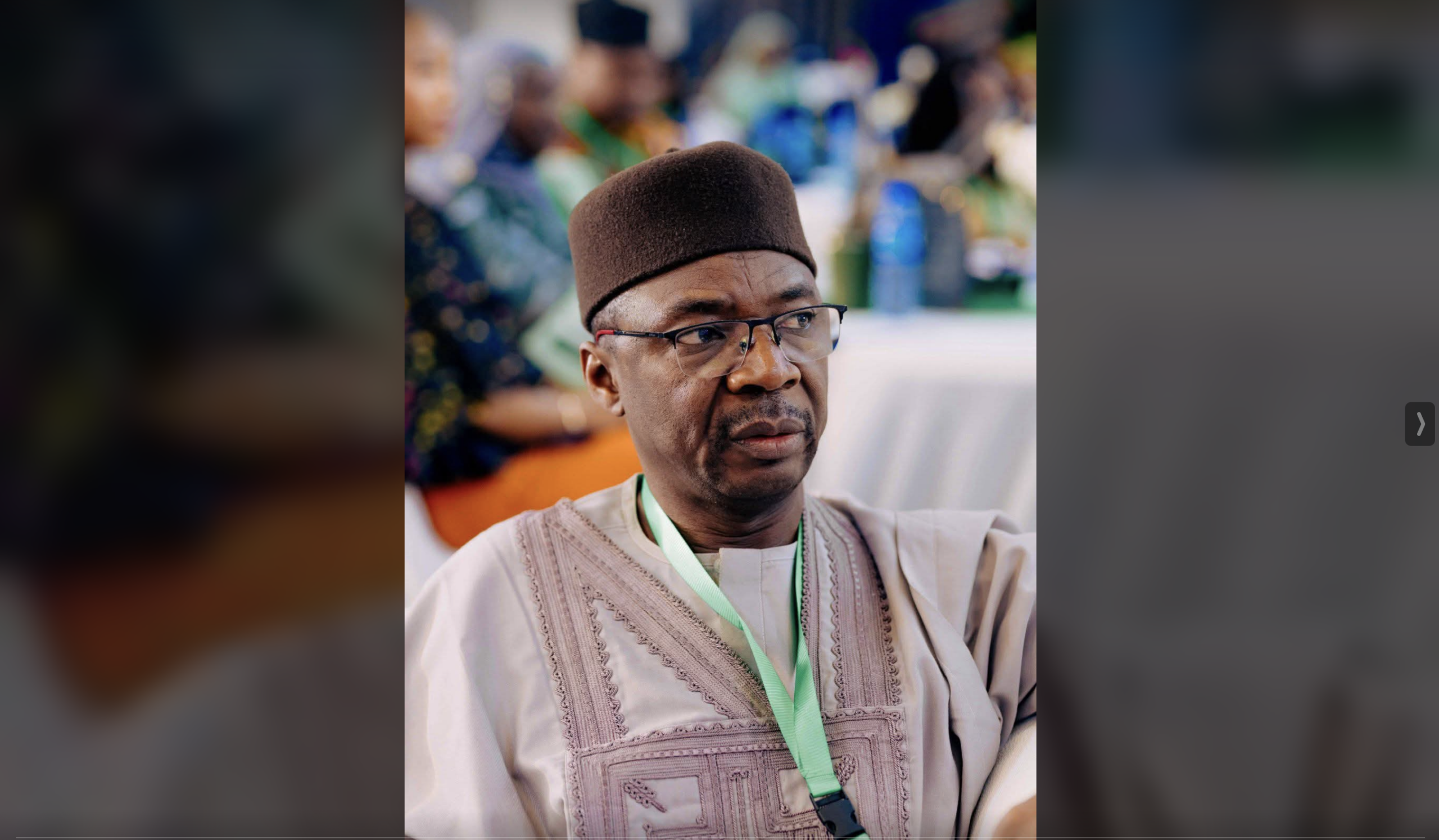
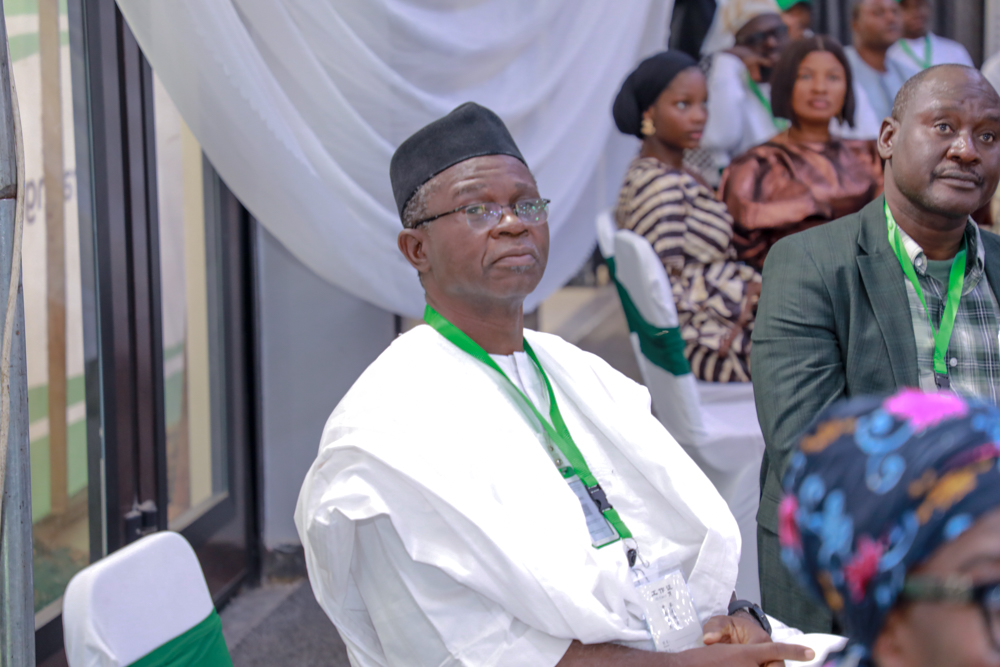
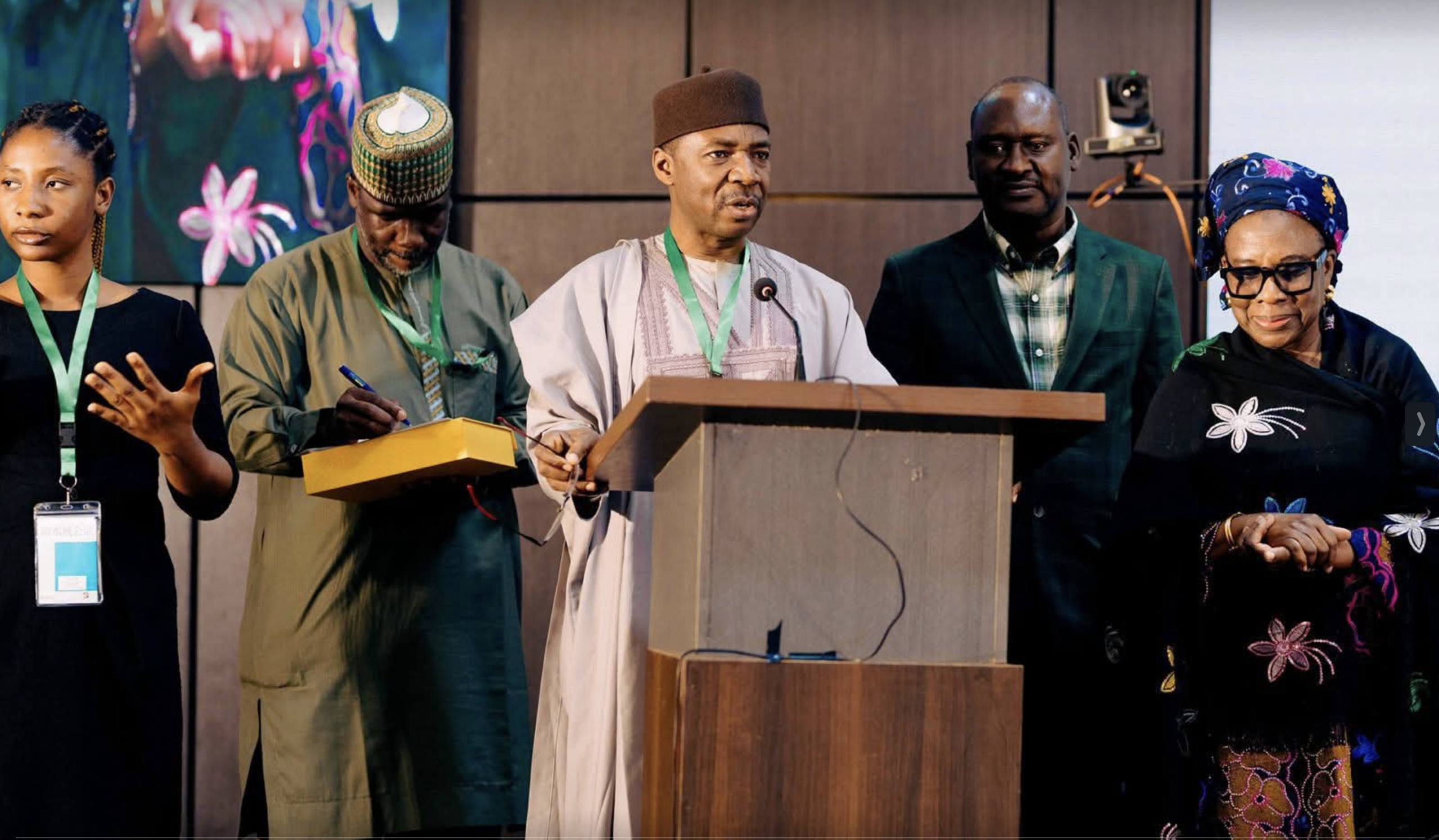
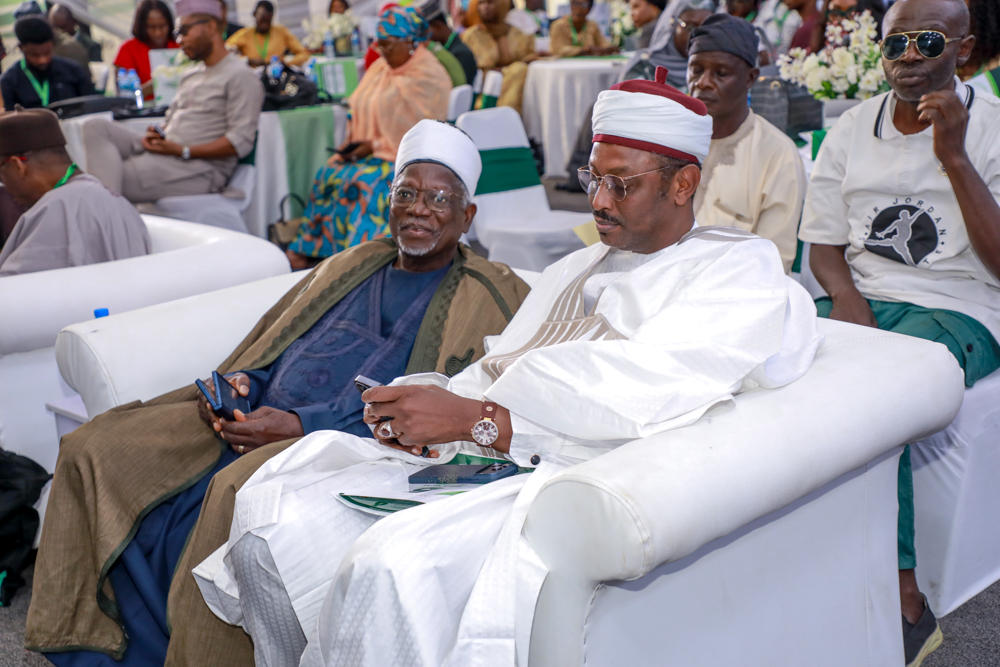
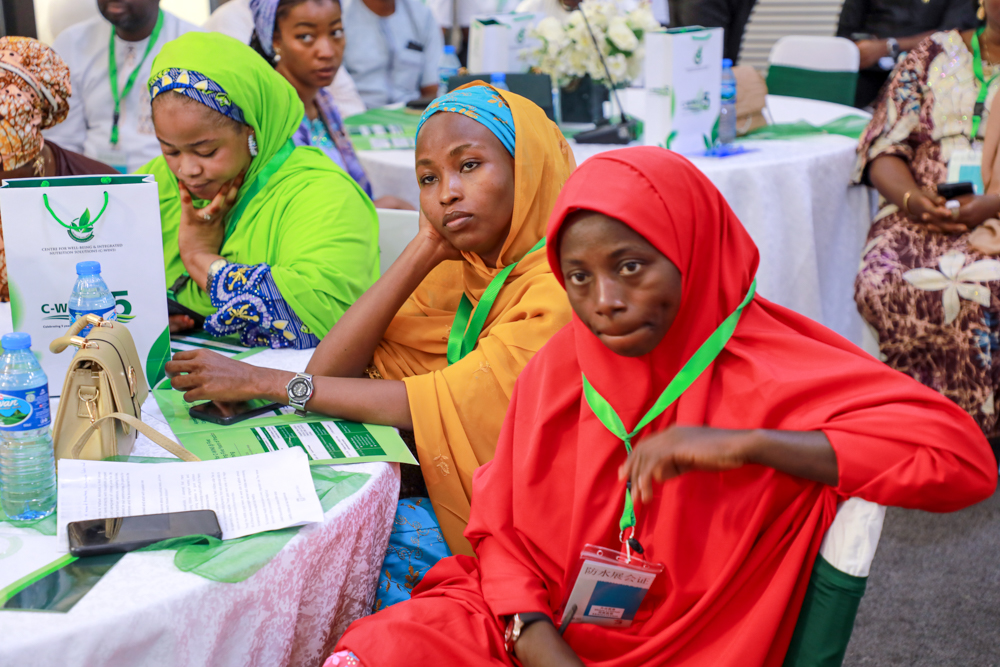
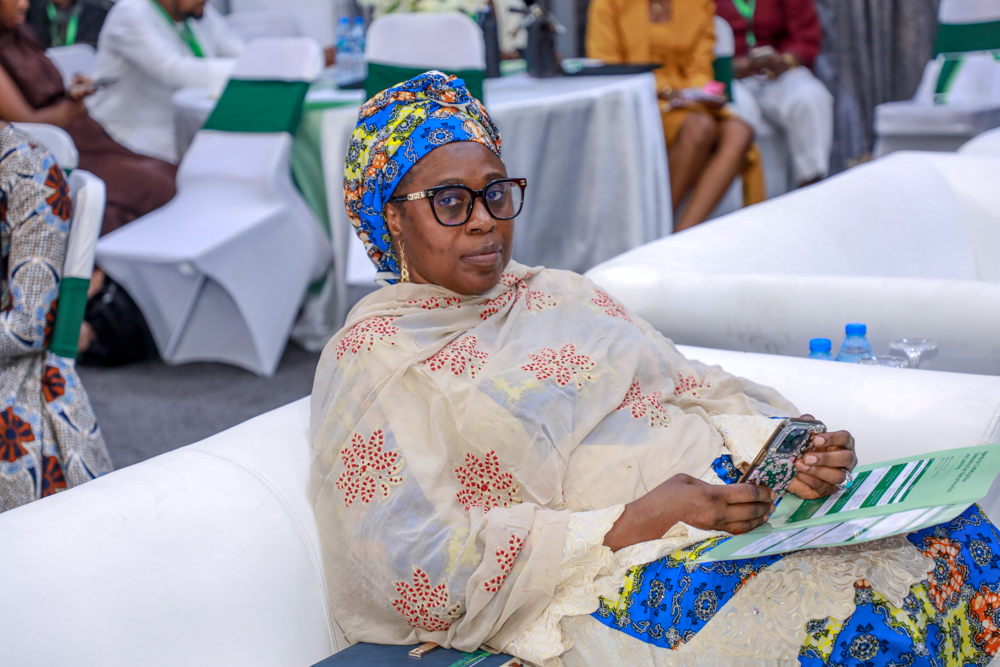
On December 10, 2025, the NAF Conference Centre in Abuja filled up with the kind of energy you only feel when people have built something together. There were warm greetings between colleagues who had shared long days in the field. There were quiet check-ins between partners who have worked through hard seasons. And there was a shared sense that this was not just an anniversary. It was a moment to pause, to remember, and to choose the work again.
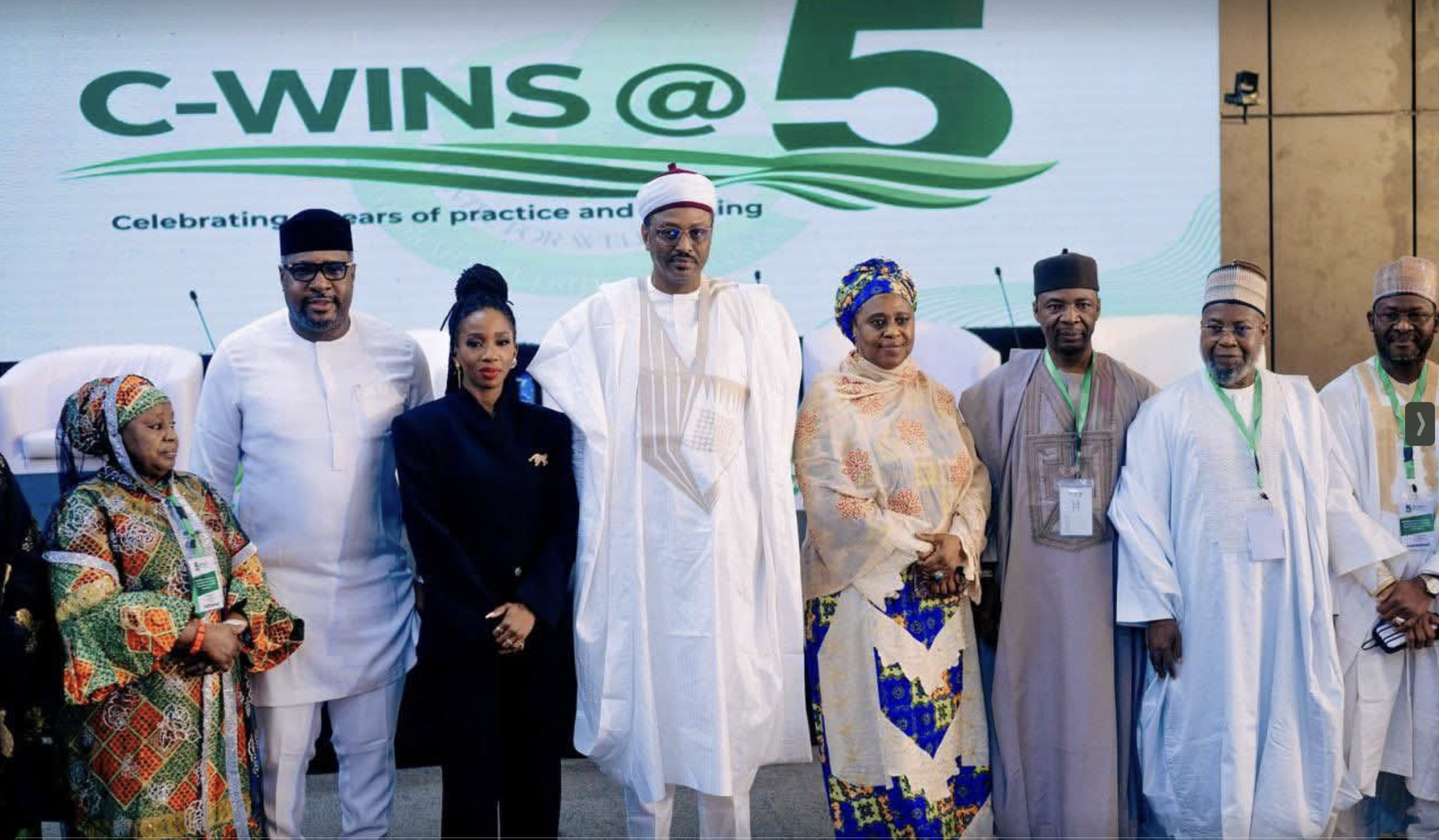
That was the heart of the Centre for Well-being and Integrated Nutrition Solutions (C-WINS) at Five, a celebration of five years of practice and learning. The day was designed to reflect on what has worked, what has changed, and what still needs courage. By the end, about 80 participants were still present, which said a lot about how meaningful the conversations were.
In the welcome remarks delivered on behalf of the Chairman of the Board of Trustees, His Royal Highness Alhaji Sama’ila Muhammadu Mera, Emir of Argungu, the message was simple and strong. Five years is more than a milestone. It is a responsibility. He spoke about the collective strength that has kept C WINS steady, and he acknowledged the Interim Management Team for guiding the organisation and building systems that made collaboration easier and impact more visible.
What followed was not abstract. It was concrete. Over the past five years, C WINS has supported advocacy and technical work that contributed to a measles/rubella introduction effort that has reached 56 million children with 99 per cent coverage. Integrated child survival work expanded across 145 local government areas. Digital community health solutions and cold chain innovations were strengthened. Nutrition and primary healthcare access improved in several places, shaped by partnerships and persistent engagement.
But what made the day feel human was not just the numbers. It was the way speakers brought the story back to people.
Dr Salma Anas Kolo spoke about the civil society ecosystem and why it matters. Her message landed because it was familiar to everyone in the room. Communities do not just need services. They need trust. And trust is built by people who stay close enough to listen, explain, return, and keep showing up until health becomes something families can rely on. She challenged civil society to take space, to influence decisions, and to lead with evidence and courage.
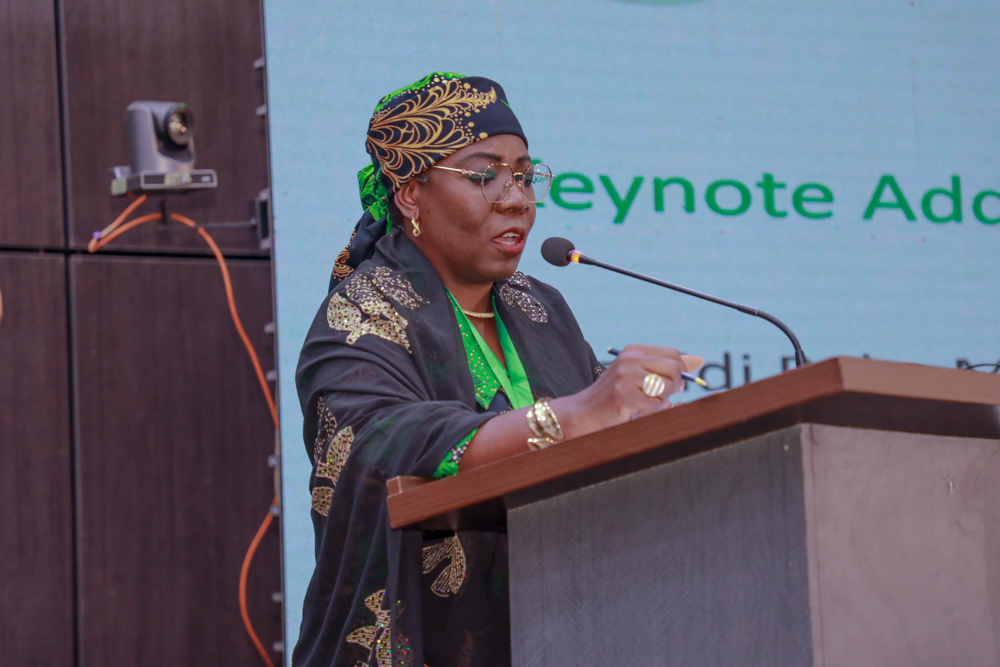
The keynote, delivered by Dr Ladidi Bako, also shifted the room in a powerful way. She framed nutrition as much more than a sector conversation. She spoke about brain capital and called nutrition the infrastructure of the mind and of equity. It was a reminder that a child’s growth is not only a health issue. It is an economic future. It is national development. It is what a country becomes.
Throughout the sessions, the learning was practical and grounded. In Katsina, the ANRiN experience showed what happens when programmes move beyond waiting for clients to come to facilities. House-to-house identification helped reach pregnant women, lactating mothers, and pregnant adolescents. Frontline teams used Android phones for data capture and reviewed performance consistently. The lesson was clear. When you bring services closer, more people find their way in.
In the measles rubella advocacy conversation, speakers returned again and again to a simple truth. People listen to voices they trust. First Ladies, traditional leaders, religious leaders, and community-based actors helped messages land as reassurance rather than instruction. States used public commitments, consistent public communication, and practical agreements to support timely funding and stronger campaign delivery. It was not just communication. It was confidence-building.
Another thread that ran through the day was the value of data that moves fast enough to guide action. Conversations on capacity and policy pointed to a familiar constraint, the need for stronger skills and competency across the workforce. Training and counselling capacity were highlighted, alongside the importance of updating training approaches and ensuring the right tools are available for health workers. On the question of how quickly digital platforms like CommCare can provide insight, the answer reinforced a new normal. When data is captured and synced during service delivery, it can be analysed the same day. That is what makes course correction possible.
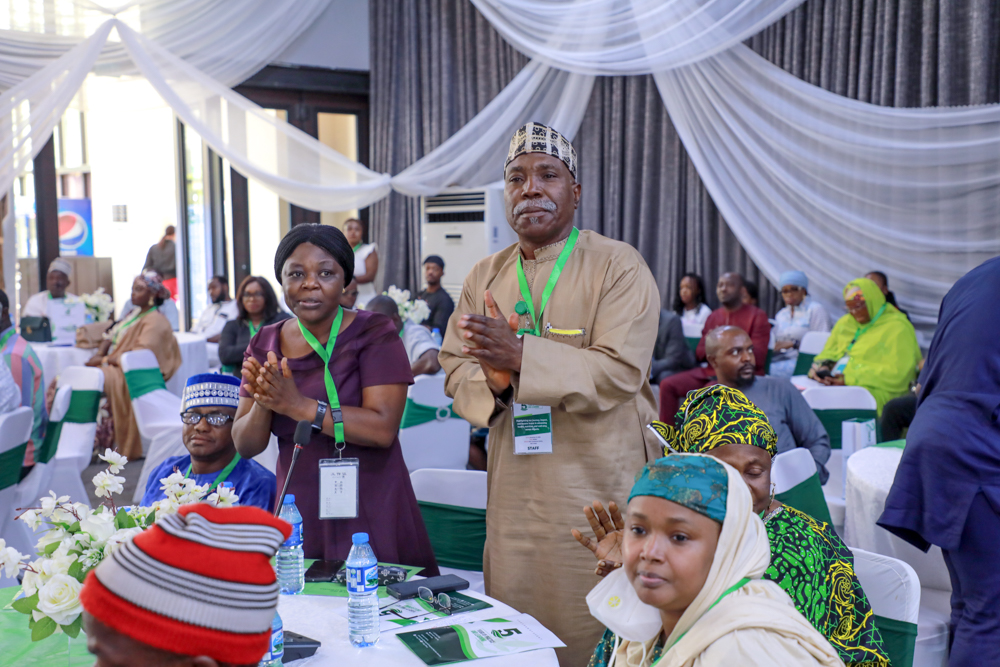
One of the most emotional moments came during the documentary that showcased C WINS’ journey across five years. People reacted strongly to the images and the voices. Testimonials from beneficiaries and field scenes brought a wave of applause, not because everything has been easy, but because people could recognise the work. Many in the room have lived it.
The spoken word performance by Mr Crosswordz carried that same feeling. It connected primary healthcare, immunisation, child protection, and the idea of turning data into action that saves lives. It was art, but it was also a mirror.
As the event looked forward, Dr Mahmud Z Mustapha spoke about the next chapter as a time for strategic consolidation. Two major launches were shared as part of that direction. One is C-WINS TV, positioned as a health advocacy platform. The other is the C WINS Annual Roundtable, which aims to bring together partners, policymakers, practitioners, researchers, funders, and community actors to reflect on trends, share learning, and develop practical solutions.
Then came recognition. The awards segment did something important. It put names and faces to the progress. It celebrated long-standing commitment and recognised staff and project teams whose daily work often happens away from the spotlight. The ceremony closed with gratitude to speakers, panellists, partners, volunteers, and the teams who handled the details that make a day like this possible.
Five years in, C-WINS is still choosing the frontline. The celebration on December 10, 2025, did not pretend that the work is finished. It simply showed what can happen when people keep learning, keep adapting, and keep believing that every family deserves quality health, safe food, and adequate nutrition.
Photo Gallery