Nigeria introduces measles-rubella vaccine to prevent congenital disabilities in Q4
Rubella infections during pregnancy continue to pose a serious but preventable threat to the health of newborns across Nigeria.
These infections can lead to lifelong complications, including blindness, deafness, heart defects, and other disabilities.
After decades of global use, the Nigerian government is preparing to introduce the Measles Rubella (MR) vaccine, marking a critical step toward preventing such devastating outcomes.
To ensure its success, government agencies, health sector stakeholders, and the media must work together to accelerate a nationwide rollout and protect future generations.
Rubella, often mistaken for a mild childhood rash-like illness and frequently overshadowed by measles, carries severe health consequences when contracted by pregnant women. Approximately one in every ten cases seen as measles is, in fact, Rubella.
Research has established that maternal rubella infection during the first trimester leads to Congenital Rubella Syndrome (CRS), which manifests in newborns as cataracts, heart defects, hearing impairments, and mental disabilities.
This scientific link has been known since 1941, thanks to the pioneering work of Australian ophthalmologist Norman McAlister Gregg. His research transformed the global understanding of rubella’s devastating impact on foetal development. It led to the introduction of rubella vaccines in 1969, which many countries currently give in combination.
While 175 of 194 World Health Organisation (WHO) member states have already adopted the rubella vaccine in various combinations, Nigeria is preparing to align with this global movement by introducing the MR combination vaccine in 2025, starting in the fourth quarter.
WHO has repeatedly emphasised the necessity of high vaccine coverage to curb measles and rubella transmission.
In 2023 alone, global measles cases surged by 20 per cent, reaching 10.3 million, with Africa enduring most of the crisis.
WHO data reveals that only 83 percent of children worldwide received their first dose of the measles vaccine, while just 74 percent got their second dose—far below the 95 percent national coverage needed to prevent outbreaks.
Nigeria’s vaccination coverage rates remain even lower, with coverage ranging between 50 and 60 per cent, with wide regional disparities further exacerbating the problem.
These low coverage rates have real consequences, and the consequences of any further delayed action are dire. Nearly half of all measles outbreaks in 2023 occurred in Africa, with an estimated 107,500 measles-related deaths-primarily among children under five.
Those who survive face long-term complications such as blindness, deafness, and encephalitis. For pregnant women, the stakes are even higher, as rubella infections increase the risk of miscarriages and congenital deformities in newborns.
As the government takes steps to introduce the MR vaccine, sustained advocacy is essential to ensure widespread acceptance and uptake.
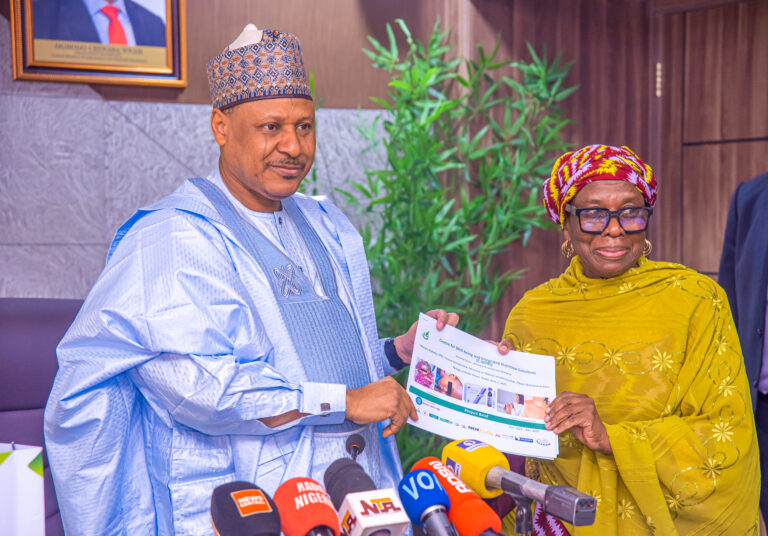
Organisations like the Centre for Well-Being and Integrated Nutrition Solutions (C-WINS), working closely with the National Primary Health Care Development Agency and others, have continuously called for urgent action and urged stakeholders’ support for swift implementation.
Their efforts, including recent collaborations with the Nigeria Governors’ Spouses Forum (NGSF), are critical in preparing the nation for the 2025 rollout. First ladies across states such as Akwa Ibom, Bauchi, Bayelsa, Ebonyi, Enugu, Gombe, and Kwara have launched public awareness campaigns, helping drive community mobilisation nationwide.
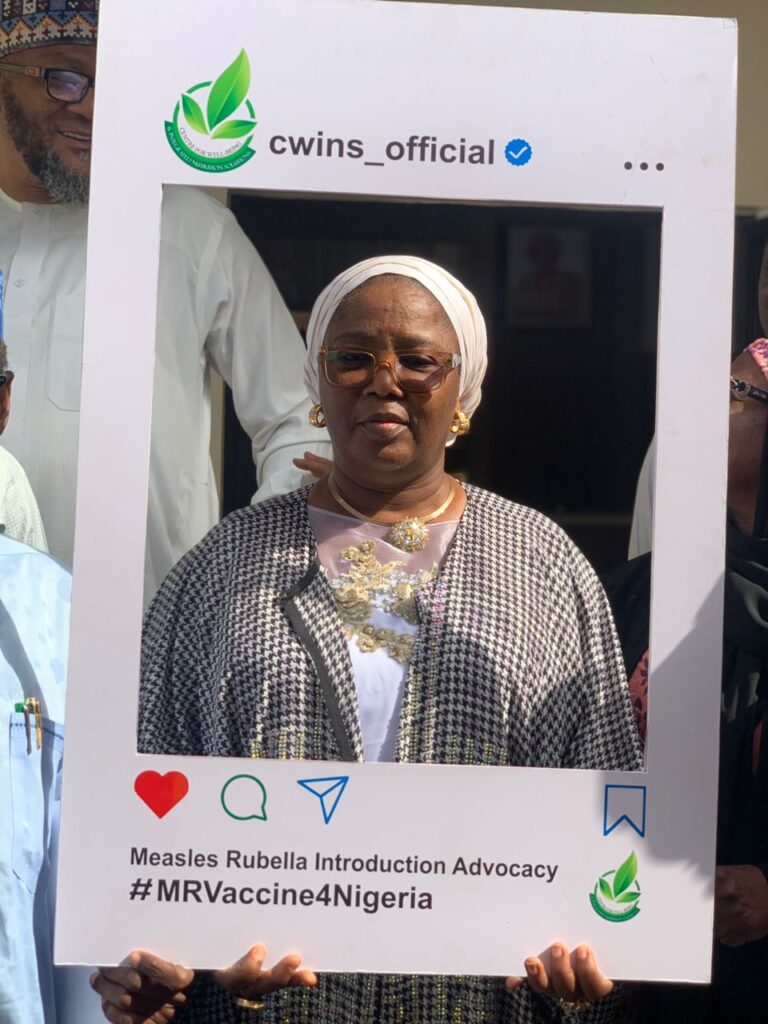
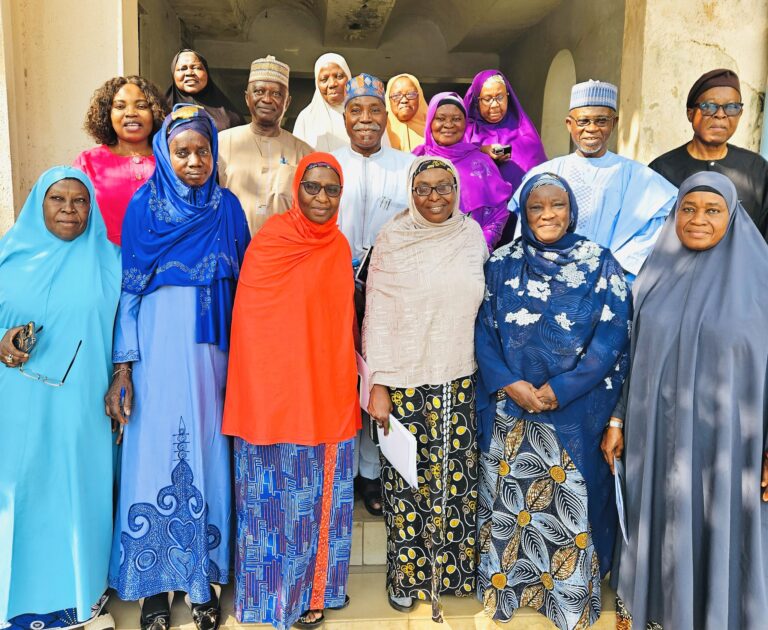
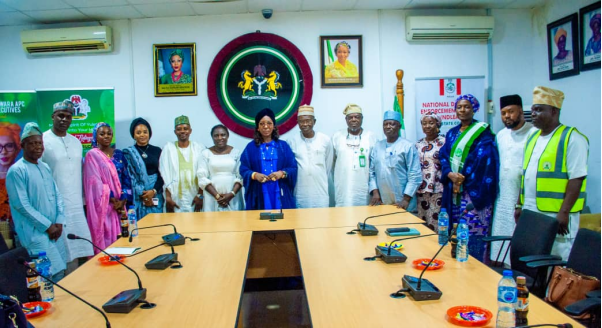
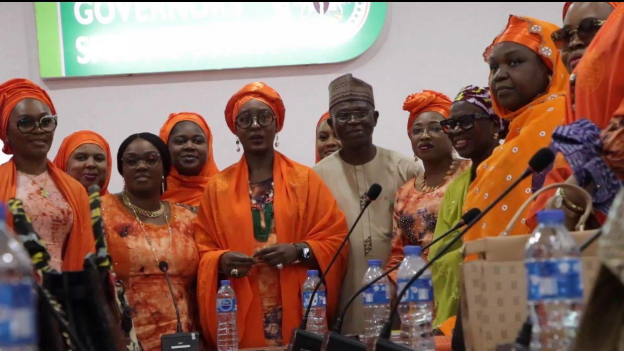
C-WINS advocacy team, at a meeting with the Nigerian Governors Spouses Forum chaired by the First Lady of Kwara State, Prof Olufolake AbdulRazaq, at the NGSF secretariat on December 5, 2024, in Abuja.
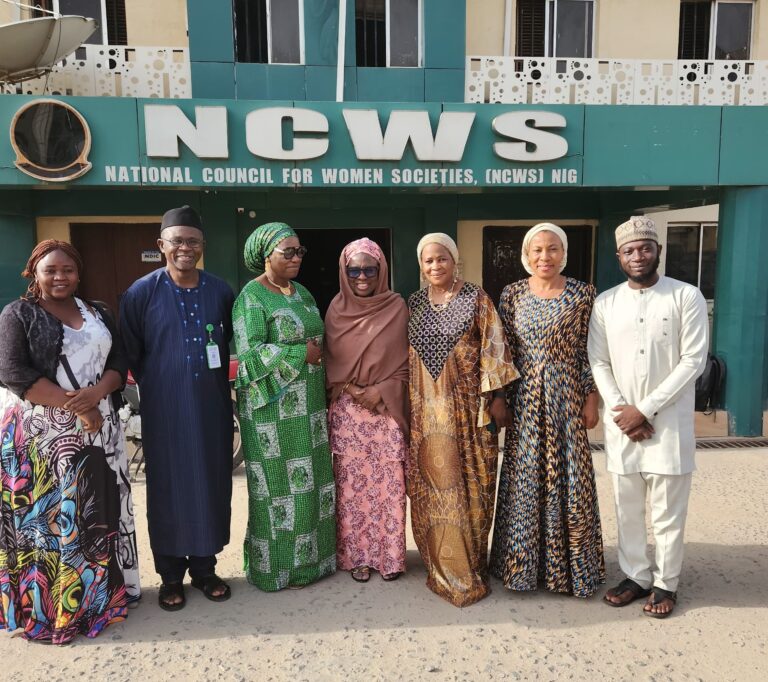
Similarly, C-WINS’s recent engagement of influential figures such as Nigeria’s Market Women Leader-General (Iyaloja General), Chief Folashade Tinubu-Ojo, is also a crucial step to driving grassroots mobilisation for MR vaccine acceptance and uptake.
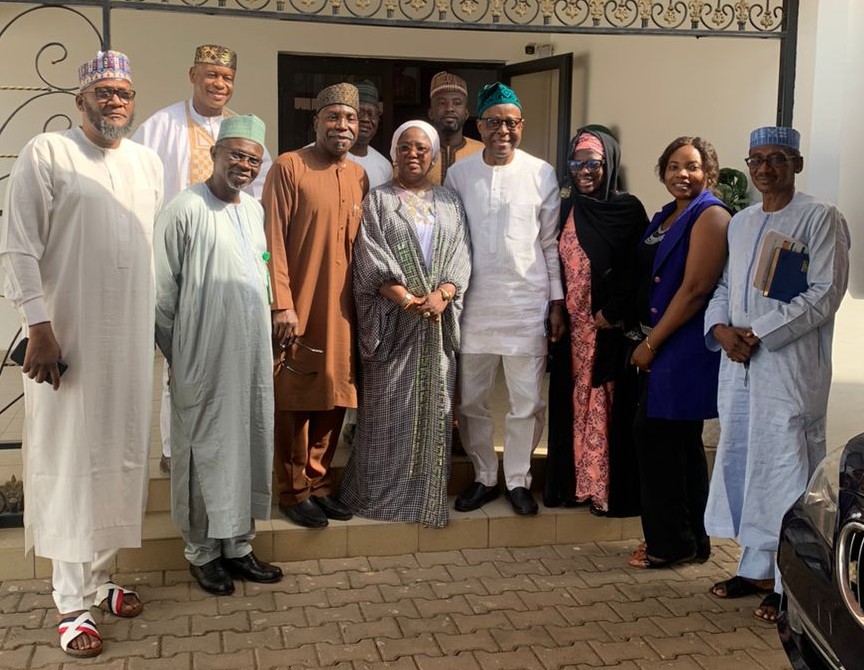
According to C-WINS Head of Mission Dr Mahmud Zubairu, the success of introducing the MR vaccine in Nigeria depends largely on governments’ commitment to providing the required counterpart funding for the vaccination.
He said, “Through the support of the Global Alliance for Vaccines and Immunisation (GAVI) and partners, the MR vaccine is available for Nigeria, and our advocacy is to ensure that the government financial commitments are redeemed on time.”
Like most vaccines, the MR vaccine is not cheap, but with support from the GAVI Alliance and other stakeholders, the cost has been subsidised, making it accessible to Nigerians.
To fully realise this opportunity, the campaign’s success depends on timely financial and logistical commitments from federal and state governments, including transport, storage, training, and health worker deployment.
These efforts are essential to ensuring that Nigerian children are protected from lifelong disabilities and that families are spared emotional and financial burdens due to rubella.
Vaccination remains an investment in a healthier, more stable future for families and communities.
The media shapes public perception, fostering awareness and vaccine acceptance.
Strategic media engagement and sustained awareness campaigns, which have taken place in key states such as Ebonyi, Akwa Ibom, and Cross River, are essential to ensure that communities understand the lifesaving benefits of MR vaccination.
Insecurity and misinformation in some parts of the country have previously hindered past vaccination efforts, making a well-coordinated, nationwide-wide campaign all the more critical. Boosting immunisation uptake to the 95 per cent coverage required for herd immunity is crucial to protecting families and communities against measles and rubella.
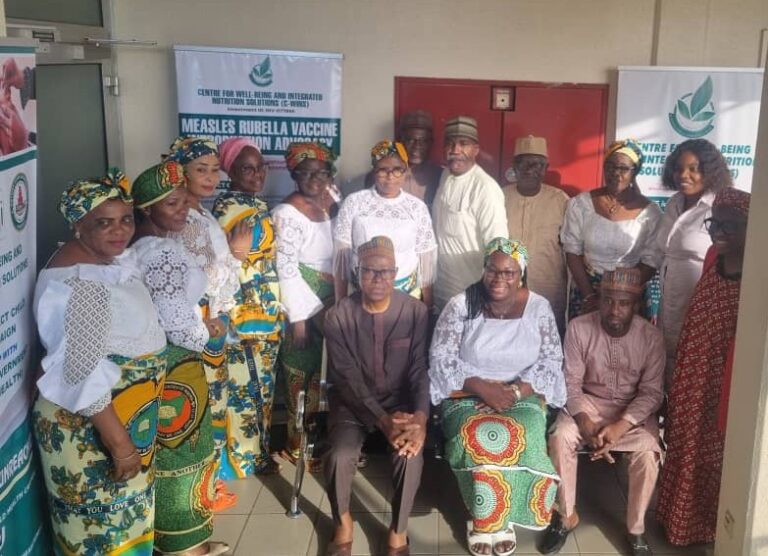
During the February 13 meeting with the C-WINS team, Tinubu-Ojo encouraged women to ensure their children are vaccinated.
Furthermore, the government at all levels must commit to a comprehensive routine immunisation policy that prioritises equity and accessibility. The regional and State disparities in vaccine coverage highlighted by the National Demographic Health Survey (NDHS) 2023/2024 indicate that regions like the North West continue to be underserved and suffer from inadequate immunisation rates compared to the South-South and South-East.
This imbalance in the critical health indices must be addressed urgently through affirmative targeted interventions. Governments at all levels and stakeholders must work to eliminate identified security breaches, increase funding for implementing routine and supplemental immunisation activities, and focus on community-based immunisation outreach programmes.
Nigeria is at a pivotal moment in its efforts to reduce healthcare strain, improve family well-being, and align with the Sustainable Development Goals (SDGs).
Now is the time to act decisively to secure the health of future generations.
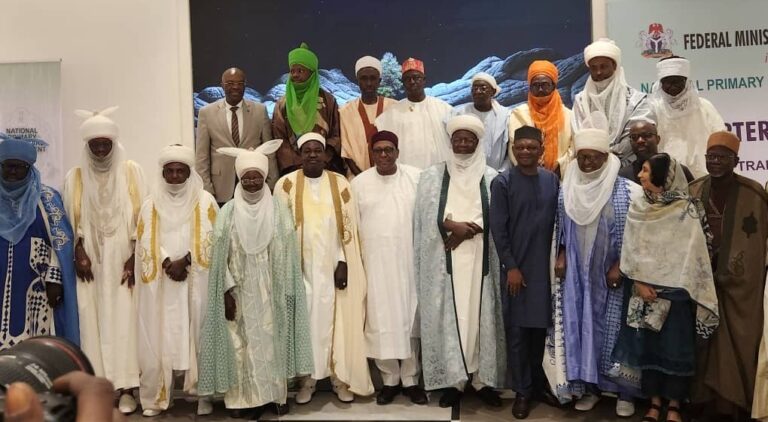
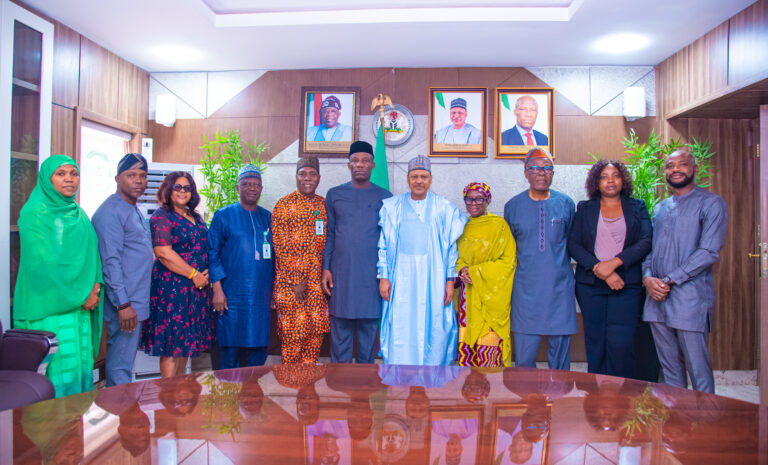
The national plan to switch from measles-only to the MR vaccine, endorsed by the Coordinating Minister of Health and Social Welfare, Prof Muhammad Ali Pate, and supported by GAVI, is not merely a health initiative but a moral imperative and a transformative step to safeguard the future of Nigerian children.
According to C-WINS’ Head of Mission, Zubairu, ensuring every child receives this lifesaving vaccine is commendable and essential.
The cost of inaction is simply too high. With the MR vaccine, Nigeria can achieve substantial economic and social benefits, from saving lives and reducing healthcare costs to preventing lifelong disabilities and boosting national productivity.
“Now is the time for all stakeholders, including government, media, health workers, and community leaders, to act with urgency and unity to ensure every Nigerian child is protected,” Zubairu said.