Southern Nigeria Traditional Rulers Committee on Primary Health Care Inaugurated to Strengthen Community Health Engagement
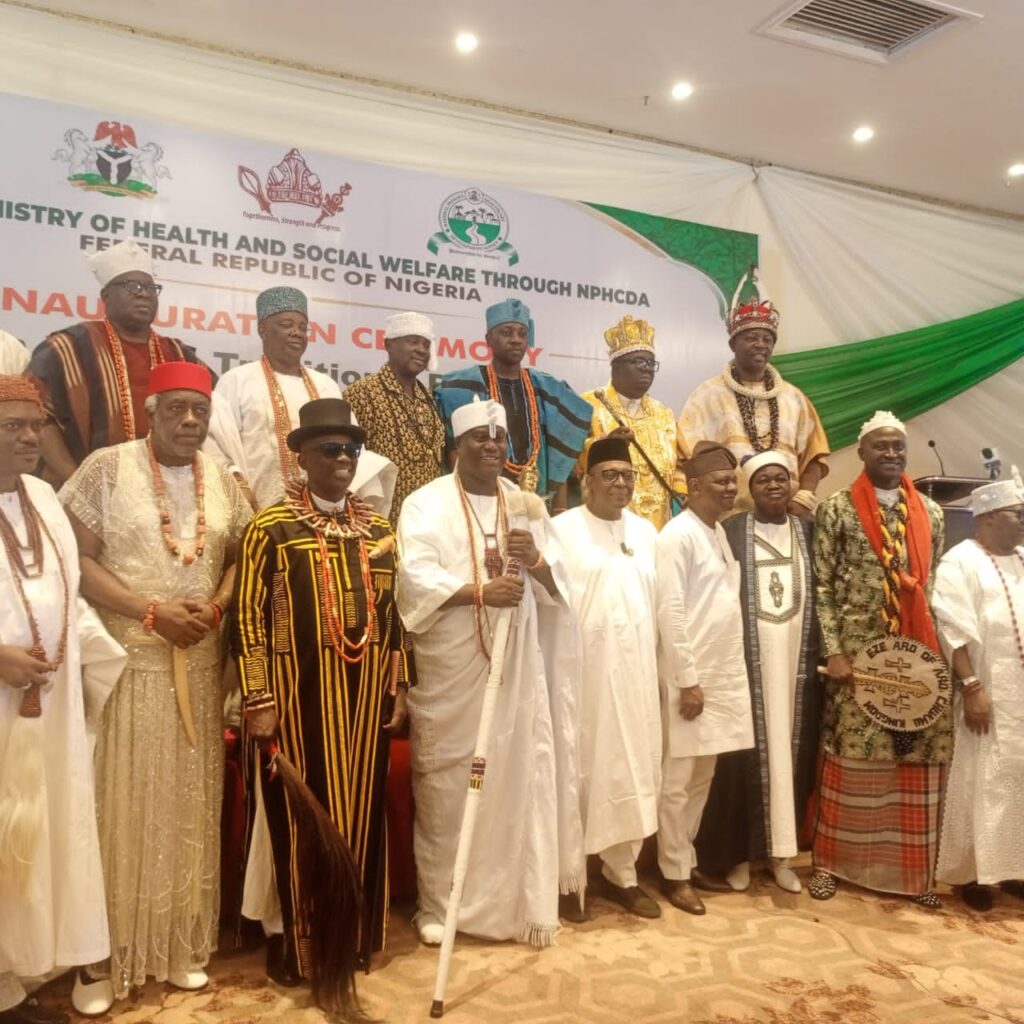
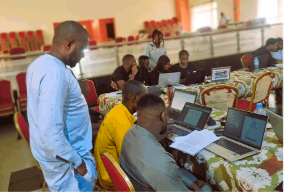
The Federal Ministry of Health and Social Welfare, through the National Primary Health Care Development Agency, officially inaugurated the Southern Nigeria Traditional Rulers Committee on Primary Health Care (SNTRC-PHC). The ceremony took place on 28 April 2026 at the Abuja Continental Hotel in Nigeria’s Federal Capital Territory.
This event marked an important step in boosting community involvement in primary health care across Southern Nigeria. It brought together traditional rulers, senior government officials, development partners, civil society members, women’s groups, local government representatives, and participants from the Northern Traditional Leaders Committee on Primary Health Care.
The purpose of SNTRC-PHC is to create a structured platform for traditional rulers to play a larger role in improving health outcomes at the local level. The Committee is expected to back advocacy efforts, encourage health-seeking behaviours, build trust in health services, promote vaccine acceptance, and strengthen community ownership of primary health care programs.
This initiative builds on insights from the Northern Traditional Leaders Committee on Primary Health Care, which has significantly supported immunisation and disease control efforts in Northern Nigeria. However, the Southern Nigeria model has been adapted to suit the unique cultural, geographical, and traditional governance contexts of the South East, South South, and South West regions.
During the event, stakeholders stressed that delivering primary health care relies on more than just formal health systems. They pointed out that traditional rulers are trusted voices in their communities. They are well-positioned to connect government programs with the people. Their leadership is especially important for addressing the “last mile” challenges, where health initiatives often face barriers to community acceptance and involvement.
Goodwill messages were shared by representatives from the Nigeria Governors Forum, development partners, the Association of Local Governments of Nigeria, civil society organisations, the National Council of Women Societies, the Nigeria Governors’ Spouses Forum, and the Northern Traditional Leaders Committee on Primary Health Care.
Speakers highlighted the crucial role traditional leadership plays in improving maternal and child health, immunisation, nutrition, disease prevention, and community accountability. They also called for strong collaboration among federal, state, and local governments, traditional councils, development partners, and community-based organisations.
A technical session, led by Dr. Mahmud Mustafa Zubairu, Head of Mission at the Centre for Well-being and Integrated Nutrition Solutions, outlined the Committee’s role, governance, and operational setup. It was clarified that the Committee will function under the Southern Nigeria Traditional Rulers Council and will work with state traditional rulers’ councils, health authorities, local government bodies, and development partners.
The session further emphasized the need for structured reporting and feedback mechanisms. Traditional rulers were urged to provide accurate information about their communities to identify service gaps, improve program delivery, and strengthen accountability.
Following this, stakeholder discussions tackled practical concerns such as funding, formal recognition, coordination with local authorities, communication materials, and support for underserved communities. Traditional rulers also requested the creation of operational tools, formal communications to relevant authorities, FAQs, and materials for community engagement.
The official inauguration was led by the Honourable Coordinating Minister of Health and Social Welfare, Professor Muhammad Ali Pate. In his speech, he described the event as a vital move to strengthen Nigeria’s primary health care system through community-focused approaches. He encouraged the Committee to take responsibility for its mission and work closely with the government and partners to ensure accessible and effective health services in communities.
Dr Muyi Aina, Executive Director of the National Primary Health Care Development Agency, highlighted the Committee’s strategic role in building community trust, increasing service uptake, and ensuring accountability. He emphasised the important role traditional institutions have in health outreach efforts.
His Imperial Majesty, Oba Adeyeye Babatunde Enitan Ogunwusi, Ojaja II, the Ooni of Ife and Chair of the Southern Nigeria Traditional Rulers Council, reiterated the commitment of traditional institutions to improving community health and well-being. He viewed the Committee as a platform for advocacy, mobilisation, and better access to essential health services.
At the end of the event, stakeholders agreed on key next steps to operationalise the Committee. These included developing work plans, orienting members, establishing reporting systems, creating formal communication channels with government entities, and engaging stakeholders continuously.
The inauguration of the SNTRC-PHC represents a significant step toward aligning national health policies with local implementation. By leveraging the influence and reach of traditional rulers, the Committee aims to foster trust, participation, and accountability in primary health care across Southern Nigeria.
Through this platform, traditional institutions, government agencies, and partners have reaffirmed their shared commitment to improving immunisation coverage, maternal and child health, disease prevention, and overall community well-being.