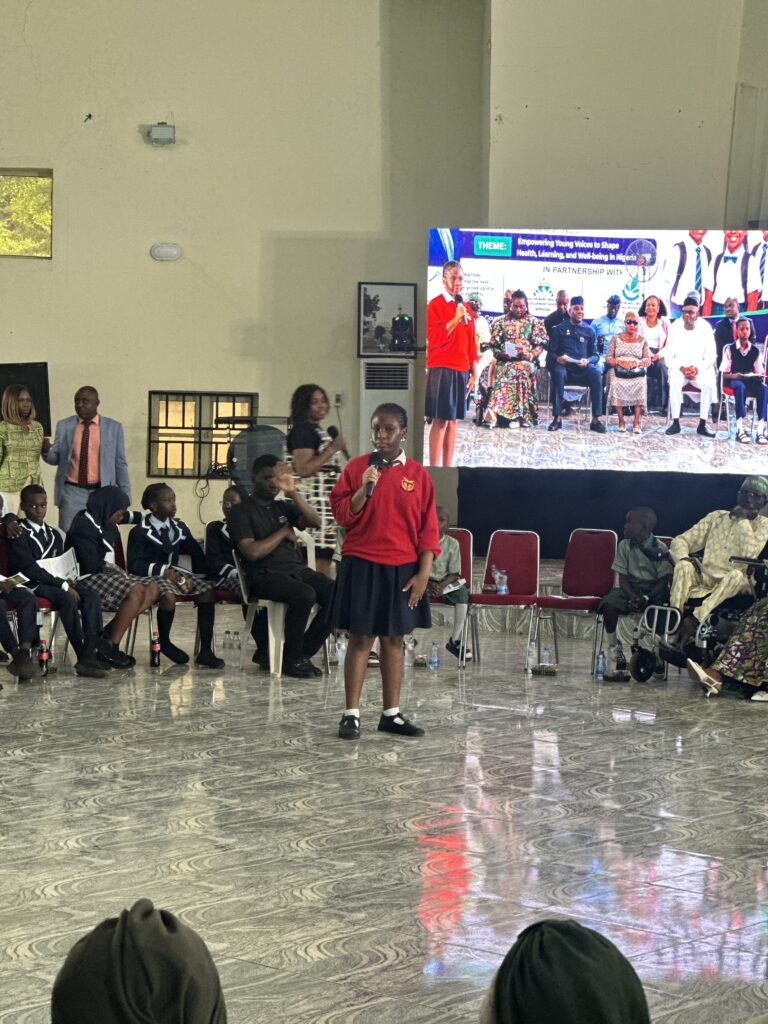
On Wednesday, 10 June 2026, the hall of Government Science Secondary School Pyakasa, Maitama Abuja, became more than an event venue. It became a place where children were listened to, encouraged and reminded that their voices matter in shaping a healthier future for Nigeria.
The Kid’s Dialogue Series, Episode 1, organised by the Centre for Well-being and Integrated Nutrition Solutions, brought together students from public, private and special needs schools across the Federal Capital Territory. The programme was designed to give children a direct platform to speak, ask questions and learn about issues that affect their health, education and wellbeing.
With the theme, “Empowering Young Voices to Shape Health, Learning and Well-being in Nigeria,” the event placed children at the centre of the conversation. Students had the opportunity to engage with the Honourable Minister of Education, Dr Maruf Tunji Alausa, the Executive Director of the National Primary Health Care Development Agency, Dr Muyi Aina, representatives of development partners, teachers, health advocates and persons living with disabilities.
A major highlight of the programme was the interactive discussion between the students and the national leaders. The children asked sincere and thoughtful questions about stress, anxiety, depression, immunisation, leadership, disability inclusion, school health facilities and what they should do when they feel unwell. Their questions showed curiosity, courage and a growing awareness that health is not separate from learning.
The Honourable Minister of Education encouraged the students to take their health seriously and reminded them that good health supports concentration, school attendance, academic performance and future success. He explained that health education should be treated as an important part of every child’s development.
The Executive Director of NPHCDA, Dr Muyi Aina, also spoke to the children about immunisation and the danger of misinformation. He explained that diseases such as polio are preventable and encouraged students to share accurate health information with their families and communities.
The event also used storytelling and creativity to make health education memorable. A video titled “Zara and the Super Shield” helped the students understand how vaccines protect children from preventable diseases such as measles and rubella. Through the story, students saw how missed immunisation can affect a child’s health, school attendance and learning.
One of the most emotional moments of the day came during the interaction with persons living with disabilities. Mr Abubakar Abduljaleel, a polio survivor; Mrs Helen Bejioku, who became deaf after contracting measles; and Mrs Philomena Nwaeze, who became blind after complications from cerebral malaria, shared their personal experiences with the students. Their stories brought the message of prevention, inclusion and resilience closer to the children.
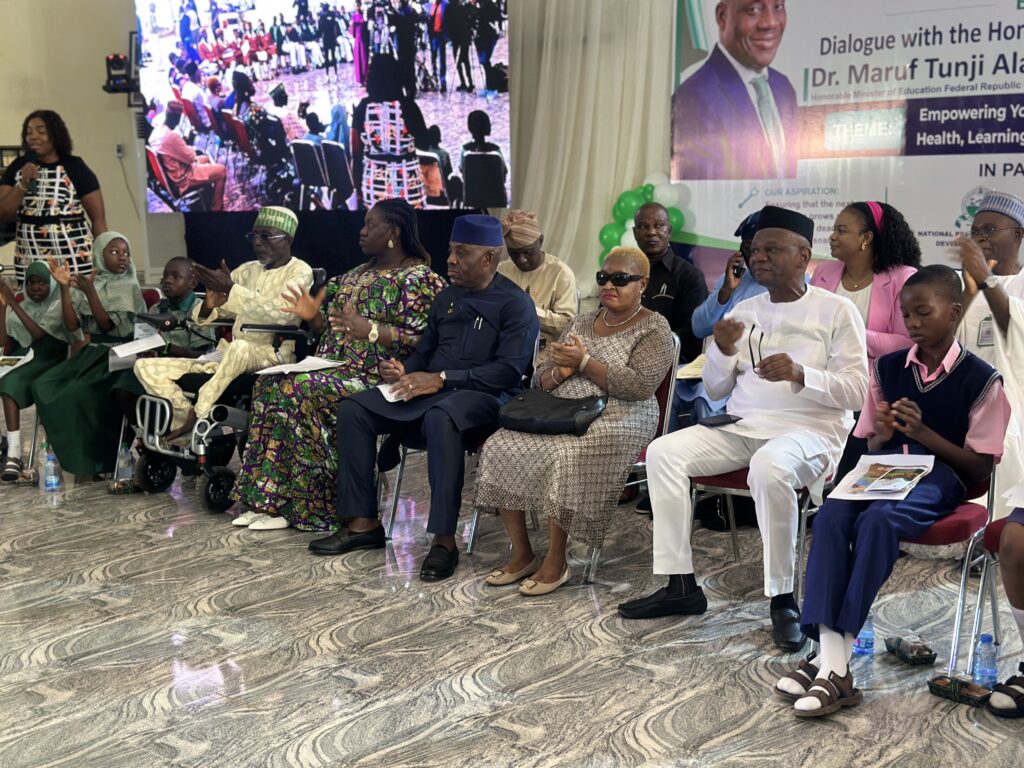
The students listened, asked questions and reflected on the importance of empathy. The session helped them understand that health challenges affect real people, real families and real dreams. It also reinforced the need to build schools and communities where persons living with disabilities are respected, included and supported.
The programme also featured a lively health song session led by Dr Iveren Ivase. Through the song “Rise and Do Your Part,” students were reminded that they have a role to play in protecting their health, promoting hygiene and supporting immunisation in their schools and communities.
At the close of the dialogue, the Honourable Minister led the students in a commitment session. The children promised to take care of their health, practise good hygiene, encourage their friends and families to support immunisation, share correct health information, attend school regularly and become health champions in their schools and communities.
Their response was loud, confident and hopeful: “Yes, I will.”
The Kid’s Dialogue Series was more than a health awareness event. It was a reminder that children are not too young to understand important issues, ask meaningful questions or influence positive change. When given the right information and the right platform, children can become strong advocates for healthier homes, schools and communities.
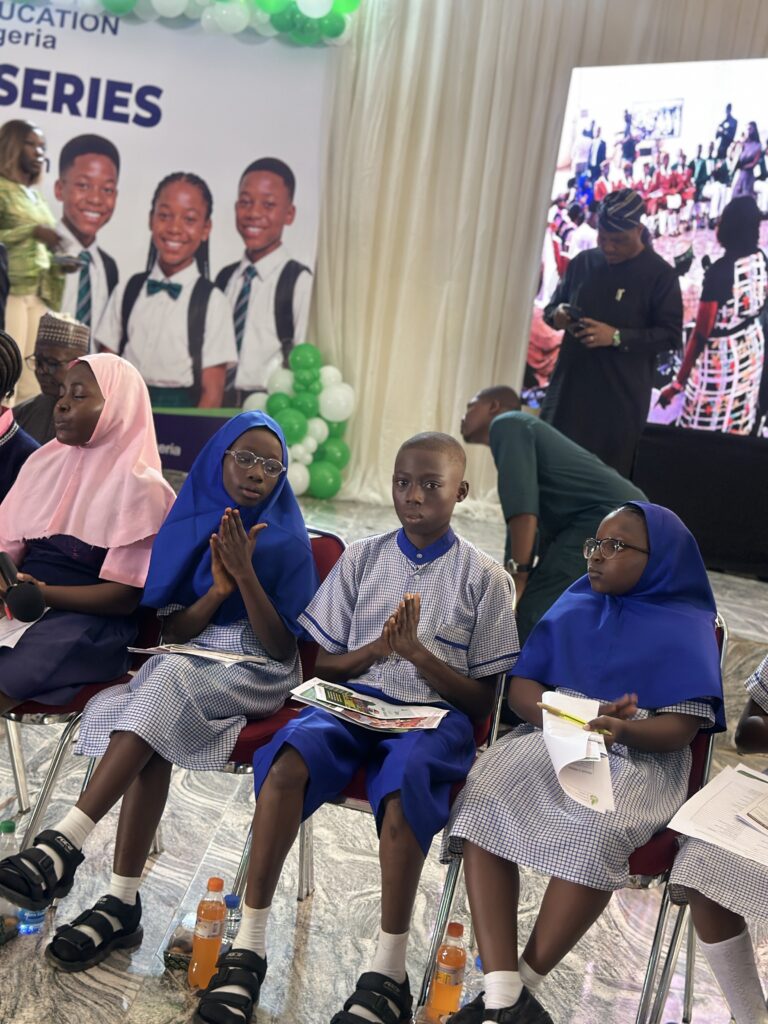
The first episode marked the beginning of a broader effort to strengthen health education, immunisation awareness and child participation across Nigeria. Through continued collaboration with schools, health institutions, development partners and government agencies, C-WINS will support the establishment of school health clubs, promote child-led health advocacy and continue expanding the Kids’ Dialogue Series to reach more children and communities.
At the heart of the programme was a simple but powerful message: healthy children learn better, and informed children can help build a healthier nation.