Primary Health Care in Nigeria: Building Health from the Ground Up
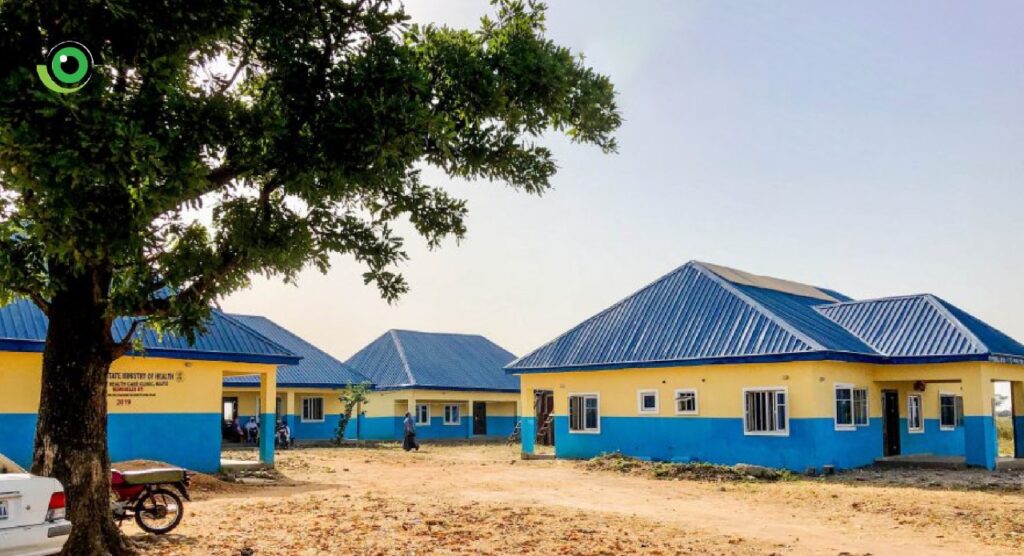
What is Primary Health Care (PHC)?
Primary Health Care (PHC) is the foundation of Nigeria’s health system. It refers to the first level of care that people receive when they are sick, need a check-up, or want to prevent illness. PHC centers are usually located close to communities in villages, towns, and city neighborhoods so that families can access care without traveling far or spending too much money.
PHC focuses on essential and everyday services, such as:
- Vaccinations for children and adults.
- Treatment of common illnesses like malaria, cough, and diarrhea.
- Care for mothers before, during, and after childbirth.
- Health education on nutrition, hygiene, and disease prevention.
- Referral to bigger hospitals when advanced care is needed.
The goal of PHC is to make sure everyone, everywhere, can receive basic health services, regardless of whether they are rich or poor, live in rural or urban areas, or have special needs.
Why is PHC Important?
PHC matters because it:
- Saves lives by detecting and treating illnesses early.
- Prevents diseases through vaccination, clean water, and health education.
- Reduces costs for families by avoiding expensive hospital visits.
- Promotes fairness—every child and family has the right to health care, not just those who can afford private hospitals.
- Strengthens communities by empowering families with health knowledge and linking them to trusted local health workers.
History and Progress in Nigeria
Nigeria embraced the idea of PHC after the 1978 Alma-Ata Declaration, where global leaders agreed that health is a basic human right and that communities must be at the center of care (WHO, 1978).
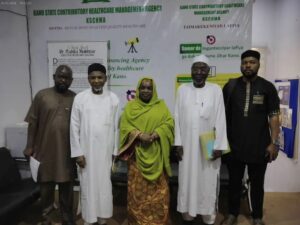
Since then, Nigeria has built thousands of Primary Health Care centers across its 774 Local Government Areas (LGAs). The National Primary Health Care Development Agency (NPHCDA) was established to strengthen these centers, provide vaccines, train health workers, and ensure medicines are available (NPHCDA, 2024).
PHC and Immunisation
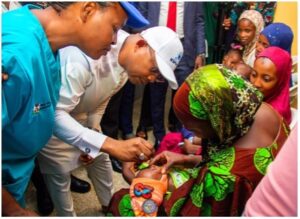
PHC is the home of immunisation. Vaccines like polio, measles, rubella, and tuberculosis are given at PHC centers. These facilities are the backbone of campaigns to eliminate diseases and reach every child including those in hard-to-reach areas. Without PHC, Nigeria could not have achieved successes such as the elimination of wild poliovirus in 2020
Benefits for Children and Families
For children, PHC means:
- Safe vaccinations that prevent deadly diseases.
- Access to doctors, nurses, and community health workers who understand their needs.
- A place where they and their families can learn about hygiene, nutrition, and wellness.
For mothers and families, PHC provides maternal care, health education, and referrals, ensuring healthier pregnancies and stronger communities.
Why It Matters for the Dialogue
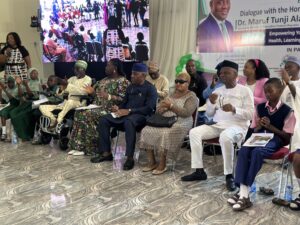
For students participating in the “Young Voices; Promoting Health” dialogue, understanding PHC means they can ask strong, meaningful questions like:
- “How can we make PHC centers better so that every child gets vaccines on time?”
- “What can children and schools do to support PHC in their communities?”
PHC is not just about hospitals or doctors it is about people, prevention, and fairness. It is the bridge between communities and the health system, ensuring no child is left behind.
References
- World Health Organization (WHO). (1978). Declaration of Alma-Ata. International Conference on Primary Health Care, Alma-Ata, USSR.
- National Primary Health Care Development Agency (NPHCDA). (2024). About NPHCDA. Retrieved from nphcda.gov.ng
- World Health Organization (WHO). (2024). Primary Health Care. Retrieved from who.int
- Federal Ministry of Health (FMoH) Nigeria. (2023). National Primary Health Care Policy Framework. Abuja.